

Caracas Counts Casualties as Deeper Fissures Emerge Post-Quake
POLICY WIRE — Caracas, Venezuela — The earth moved, and in its wake, Venezuela wasn’t just counting bodies. It’s contending with the tremors of its own profound systemic...

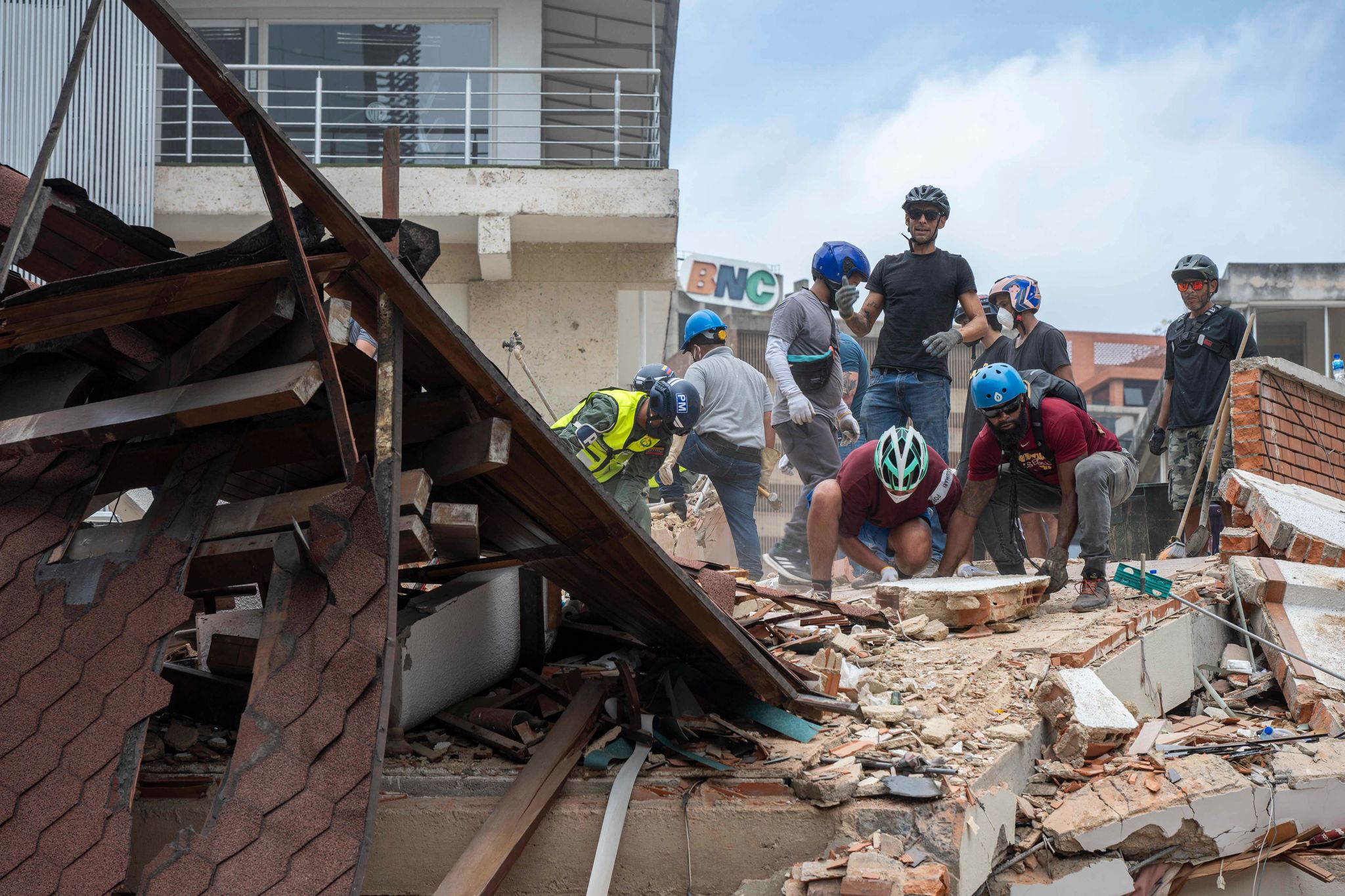
POLICY WIRE — Caracas, Venezuela — The earth moved, and in its wake, Venezuela wasn’t just counting bodies. It’s contending with the tremors of its own profound systemic vulnerabilities—an enduring geopolitical isolation that amplifies each new tragedy. The headline grabber is simple enough: [QUOTE_PLACEHOLDER] as recovery efforts trudge on. But dig a bit deeper, past the raw numbers, — and you’ll find the story’s not really about the geology.
It’s about a nation already teetering on a precipice. You know, a place where crumbling infrastructure — and strained social services are just, well, Tuesday. So when the ground shimmies and shakes, it isn’t merely a natural event; it’s a magnifying glass on an already grim situation. Caracas, its once-bustling streets now grappling with a fresh layer of dust and despair, sees its woes pile up—literal rubble among them.
Venezuela has been through it lately, hasn’t it? Its once formidable oil wealth, that golden ticket, has largely evaporated—leaving a society fighting for scraps. You see, the international community’s response here, it’s often a bit muted compared to other global hotspots. It’s a fact, a bitter one. A similar scale disaster in a strategically significant European nation or a populous Asian economic hub would, frankly, generate a tidal wave of attention and aid. Here, it’s more of a ripple.
This differential treatment is pretty stark, frankly. Consider the aftermath of the devastating floods in Pakistan a few years back; the international relief poured in, driven by geopolitical concerns, diaspora influence, and sheer human scale. But Venezuela? It doesn’t quite command that same immediate, overwhelming, — and sustained global focus. Its domestic political quagmire—a state of affairs few outside the Beltway and certain European capitals bother to truly decipher anymore—dulls much of the usual humanitarian impulse. It’s like, out of sight, out of mind for a lot of policymakers — and a huge chunk of the general public. And that’s gotta hurt.
Authorities, already stretched thinner than an old rubber band, are left to manage the immediate aftermath. It’s a thankless task, restoring some semblance of order when your public services were already on life support. There aren’t enough resources, plain — and simple. Aid groups that manage to operate on the ground often confront Byzantine regulations and operational hurdles that would make a saint curse. They’re trying their best, bless their hearts, but it’s a grind.
The state of healthcare facilities, for example, is notoriously dire. Reports from human rights organizations have consistently highlighted chronic shortages of basic medicines and medical supplies. [QUOTE_PLACEHOLDER] So, adding hundreds of trauma cases from a sudden earthquake? That’s not just a challenge; it’s an absolute catastrophe waiting to happen—or, indeed, one that’s actively unfolding. It’s why every extra casualty, every person injured, creates ripples far beyond their immediate pain.
One grim statistic puts it all in perspective: The Venezuelan Network of Doctors for Health reported that as of last year, over 60% of Venezuelan public hospitals faced severe intermittent power outages, directly impacting patient care (Source: Venezuelan Network of Doctors for Health 2023 Annual Report). You can’t run an intensive care unit, let alone perform emergency surgeries, without reliable electricity. This earthquake didn’t just break buildings; it slammed into an already compromised system.
What This Means
This seismic event, devastating as it’s, really throws a spotlight on Venezuela’s deeper geopolitical and economic predicament. The fact that an earthquake of this magnitude, one causing significant loss of life—the official figure stands at 235 as of our latest update—doesn’t trigger an immediate, broad international outpouring speaks volumes. It signifies a calcified diplomatic stance, yes, but also a deeper problem with how global humanitarian aid is prioritized and deployed. Western nations, already wary of Caracas, might see their hands tied by sanctions regimes or by the perceived lack of transparency, exacerbating the suffering of ordinary people.
Economically, it’s another blow to a country that absolutely can’t afford one. Repairing infrastructure, rebuilding homes, and supporting affected communities will require immense capital—capital Venezuela simply doesn’t have, not in quantities sufficient to meet the need. And because global aid tends to be a conditional affair, heavily influenced by political alignments, the prospect of substantial, unrestricted funds remains slim. This will inevitably lead to slower recovery, prolonged displacement, — and heightened internal instability.
Consider also how events like this intersect with regional stability. A deeply unstable Venezuela remains a challenge for its neighbors. Massive internal displacement or even modest out-migration pressures following the earthquake could put further strain on Colombia or Brazil, both already dealing with significant Venezuelan refugee populations. The long shadow of this disaster, therefore, won’t just linger over Caracas; it stretches across the region. And it also, crucially, reinforces a global pattern: some countries, due to their political baggage or perceived irrelevance, find themselves navigating crises with dramatically less assistance than others. It’s an inconvenient truth, but it’s true.
We’re talking about lives here, of course. Real people. Families torn apart, homes reduced to rubble, futures suddenly uncertain. The immediate response might seem adequate to some, a testament to national resilience, but it’s more like a stopgap measure, barely holding back a much larger tide of socio-economic despair. It really puts a fine point on the long-term consequences of political intransigence, doesn’t it?
This situation demands a candid look at the efficacy of aid delivery mechanisms when political agendas clash with pure human need. How many more catastrophes, natural or otherwise, must a nation endure before its plight transcends the political squabbles and becomes a straightforward call to humanity? This isn’t just a Venezuelan problem. It’s ours. And it’s one we, as a global community, really need to solve.