

After UN’s Exit Strategy: Paris and Rome Scramble to Prop Up Fractured Lebanon
POLICY WIRE — Paris, France — Another brick seems destined to tumble from the crumbling facade of stability in the Levant. As the blue helmets of a decades-old United Nations mission pack their bags,...

POLICY WIRE — Paris, France — Another brick seems destined to tumble from the crumbling facade of stability in the Levant. As the blue helmets of a decades-old United Nations mission pack their bags, the specter of a leaderless, stateless future looms large over Lebanon. And while the world often finds new crises to occupy its attention, Europe, particularly its Mediterranean anchors, can’t quite shake off its historical—and increasingly uncomfortable—ties to the fractured nation.
It’s an unspoken truth in diplomatic circles: when the global safety net frays, certain nations inherit the headache. For Lebanon, perpetually suspended between ruin — and redemption, that burden now falls heavily on France and Italy. They’re not just watching the country descend further into chaos; they’re scrambling, rather frantically, to forge a new international consortium, a cobbled-together solution meant to stave off what many fear is an inevitable collapse. It’s a thankless job, really.
But this isn’t simply about historical patronage. The current UN Interim Force in Lebanon (UNIFIL) – with its 10,000 strong contingent monitoring the volatile frontier with Israel – has long been an expensive, imperfect bandage on a gaping wound. Its eventual scaling back or, indeed, its total departure, doesn’t just create a security vacuum. It yanks away one of the last remaining pillars of institutional legitimacy in a state hollowed out by corruption and chronic political inertia. They’ve been there, in one form or another, since 1978. Now what?
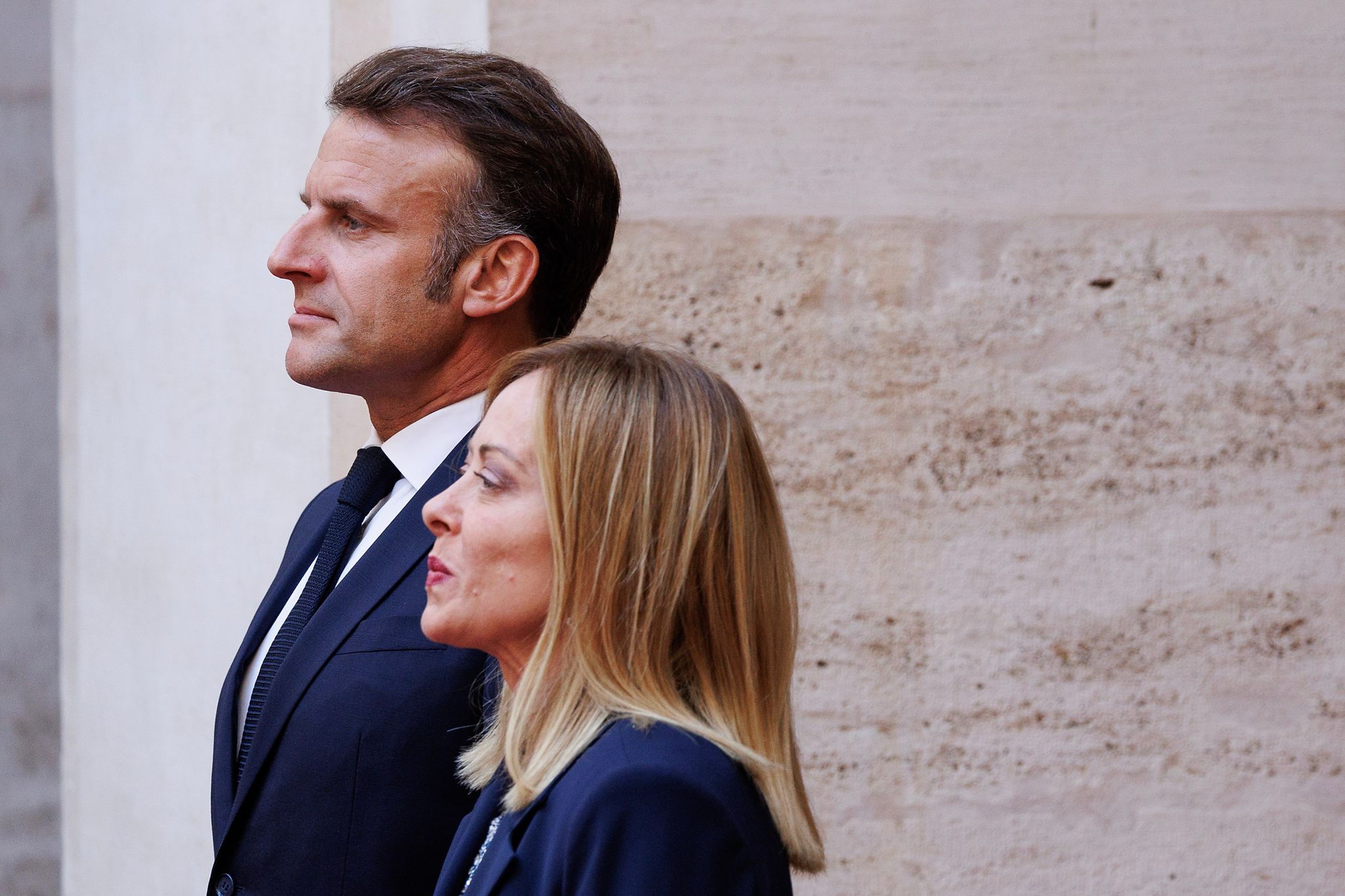
French President Emmanuel Macron, never one to shy from a grand diplomatic gesture (even when it falters), reportedly believes the stakes couldn’t be higher. “We cannot simply avert our gaze,” an official close to Macron relayed, on condition of anonymity, reflecting positions typical of the Elysée. “Lebanon isn’t just a nation; it’s a centuries-old convergence point, a mirror reflecting the broader regional instability. Its total disintegration would send ripples far beyond the Mediterranean, impacting communities, faith groups, and security everywhere. We just can’t allow that to happen. We haven’t the luxury.”
Italian Prime Minister Giorgia Meloni’s government, usually more inward-focused, has surprisingly found itself echoing this sentiment. And because Italy maintains a substantial naval and land presence in UNIFIL, Rome views the situation not just through a historical lens but through the pragmatic prism of security and migrant flows. “Our engagement in Lebanon isn’t charity; it’s self-preservation,” stated a senior official within the Italian Ministry of Foreign Affairs, again, off the record but with positions aligned with Rome’s stated foreign policy. “A completely failed state on the Mediterranean’s doorstep? That’s not a hypothetical; that’s a direct threat. You don’t have to look far for similar crises turning into humanitarian—and security—nightmares that wash up on our shores.”
The urgency stems from Lebanon’s truly abysmal economic situation. According to a 2023 World Bank report, the country’s GDP has contracted by around 37% since 2018, marking one of the worst economic depressions in modern history. The Lebanese pound has become virtually worthless, — and essential services are hanging by a thread. This isn’t just financial jargon; it’s a living nightmare for millions. It’s why Pakistan and other nations across the Muslim world watch with a mixture of concern and a weary sense of déjà vu. They’ve seen state apparatuses buckle, often leaving a desperate population vulnerable to extremism or predatory foreign influence. The very foundations of society crumble.
This desperate overture by Paris — and Rome for a new support structure isn’t entirely new ground. We’ve seen similar, though perhaps less urgent, efforts to stabilize countries grappling with prolonged crises, many with Muslim-majority populations across the broader South Asia and Middle East region. But this effort feels different; it’s a Hail Mary pass from two powers who simply cannot afford another failed state so close to home. The challenge, of course, isn’t just economic aid; it’s finding a political solution within Lebanon that bypasses its deeply entrenched, sectarian gridlock. Good luck with that.
What This Means
The Franco-Italian push for a new coalition signals a reluctant but strategic realization among European powers: relying solely on UN missions, especially in politically intractable environments, is no longer sustainable. It’s an acknowledgement that the era of distant, large-scale peacekeeping forces might be dwindling, giving way to more localized, often bespoke, and frankly, messier diplomatic engagements.
Economically, if this new effort falters, the already catastrophic Lebanese collapse will only deepen, unleashing a fresh wave of humanitarian refugees towards Europe. Politically, the vacuum could empower non-state actors – think Hezbollah, which remains a formidable political and military force – further entrenching them in power and perhaps intensifying the proxy struggles with regional rivals. This situation could also fuel narratives of state failure across the broader Muslim world, potentially providing fodder for extremist groups who preach that only non-secular governance can ensure stability. You know, that old tune.
But there’s a delicate line to walk. Too much external meddling risks reinforcing the perception of neo-colonialism; too little leaves a volatile tinderbox right on Europe’s southern flank. This isn’t just about charity or an abstract commitment to stability; it’s a cold calculation of self-interest, wrapped in the tired language of international cooperation. Europe’s reluctant lifeline to Beirut might be more about keeping its own house in order than genuinely rebuilding Lebanon.