


Undrafted Gamble: Iowa State Star’s Exhibit 10 Bet Reflects NBA’s Harsh Economic Ladder
POLICY WIRE — Indianapolis, USA — Forget the confetti and the made-for-TV theatrics of the main NBA draft event. For hundreds of hopefuls, the true battle—a far grittier, deeply uncertain...

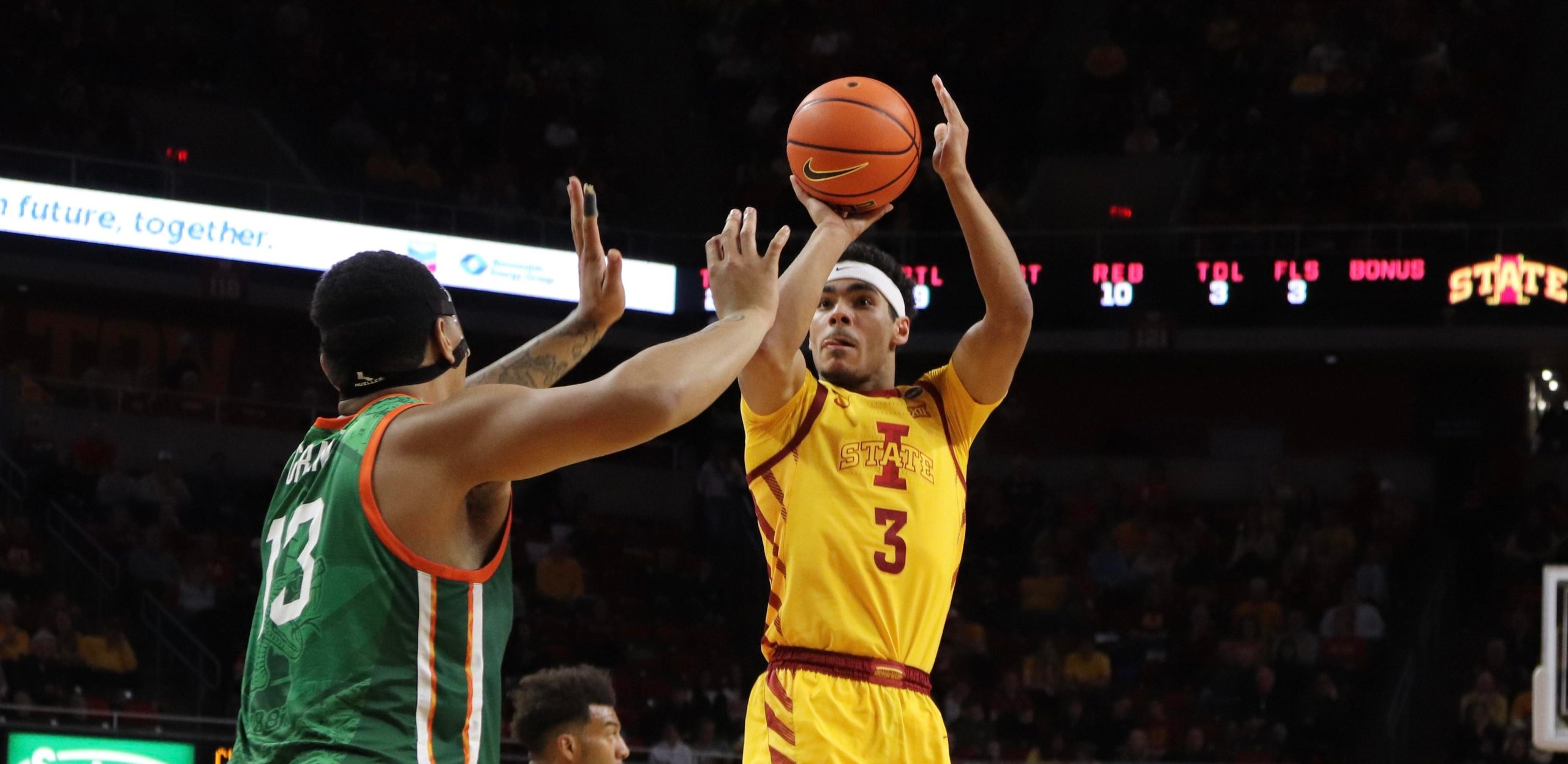
POLICY WIRE — Indianapolis, USA — Forget the confetti and the made-for-TV theatrics of the main NBA draft event. For hundreds of hopefuls, the true battle—a far grittier, deeply uncertain fight—begins when the cameras cut away. Ames native Tamin Lipsey, an Iowa State standout, now steps onto this precarious tightrope, signing an Exhibit 10 contract with the Indiana Pacers after the 2026 draft.
It’s not glamorous. And it sure as heck doesn’t guarantee a roster spot, let alone a multi-million-dollar endorsement deal. An Exhibit 10, essentially a low-risk, high-upside investment for NBA franchises, hands Lipsey an invitation to training camp—a tryout, really—with the tantalizing, if remote, possibility of converting into a two-way contract, bridging the gap between the Pacers and their G League affiliate, the Fort Wayne Mad Ants. Think of it as a provisional visa in a fiercely competitive global marketplace for elite physical talent.
But make no mistake, this isn’t just another casualty of the undrafted masses. Lipsey, who commanded a program-record 137 starts during his four years with the Cyclones, has earned a reputation as a relentless force. He’s carved out a niche as a high-motor guard, known for his defensive prowess — and his surprisingly nuanced playmaking.
He wasn’t some late-bloomer. The guy stepped into a primary role early, filling some mighty big shoes left by Tyrese Hunter. And then he just kept grinding. Three selections each to the All-Big 12 — and Big 12 All-Defensive teams speak volumes. An AP All-American honorable mention in 2024? That’s not given out like candy. And the numbers don’t lie: during his final collegiate season, Lipsey averaged 13.5 points and 5.1 assists, maintaining a stellar 3.33 assist-to-turnover ratio, which ranked as the second-best mark in the fiercely competitive Big 12 conference, according to NCAA statistics. He even became Iowa State’s all-time steals leader, surpassing Monte Morris—a truly monumental feat.
Because the league’s always looking for diamonds in the rough, for someone willing to do the dirty work. “We see raw talent, yes, but more importantly, we see the grind, the sheer tenacity these kids bring. That Exhibit 10 isn’t just a placeholder; it’s a bet on heart, a longshot lottery ticket where the payout could be immense,” explained Chad Buchanan, President of Basketball Operations for the Indiana Pacers, his voice hinting at the calculation behind such decisions. It’s an approach many franchises take, seeking modest investments with potentially significant returns.
But the road ahead? It’s a gauntlet. “The NBA isn’t a charity. It’s a brutal business. An Exhibit 10 is your foot in the door—barely. Most of these kids, good as they’re, get spit right back out. It’s a miracle when one sticks,” offered Eleanor Vance, President of Vanguard Sports Agency, a veteran agent who’s seen countless dreams shattered before training camp even breaks.
And yet, this struggle for relevance, this unyielding pursuit of opportunity in the cutthroat world of professional sports, resonates far beyond the hardwood courts of Indiana. It mirrors, in its own challenging way, the global pursuit of talent and recognition—whether it’s an aspiring cricketer in Karachi dreaming of the Pakistan Super League, a young footballer in Lahore hoping for a scholarship to play collegiately in the U.S., or any driven individual in the Muslim world striving to break through entrenched systems and make a mark on the international stage. These contracts are the smallest of gates, but for those with the drive, they represent a universal longing for ascent. Just as nations across Asia navigate shifting global capital to attract and retain high-skilled labor, so too do NBA teams scout and nurture this transient, volatile asset: raw human potential.
What This Means
Tamin Lipsey’s Exhibit 10 contract underscores the harsh economic realities governing entry into elite professional sports. For teams, it’s a calculated gamble: minimal financial commitment for a potential high-reward asset who can either fill a G League roster or, against steep odds, prove to be a valuable find. It allows franchises to bring more prospects into camp, assess them, and maintain flexibility with their cap space and roster spots. For the player, it’s an absolute lifeline, often the final, desperate grab at a dream. It offers a structured path, albeit one fraught with peril, to showcase skills, improve, and perhaps, just perhaps, elevate into a stable professional career, be it in the NBA, G League, or overseas. It’s a system designed to maximize talent identification at the lowest possible cost, emblematic of modern professional sports’ hyper-efficient, often ruthless, approach to human capital management. This isn’t about loyalty; it’s about the next available opportunity.