


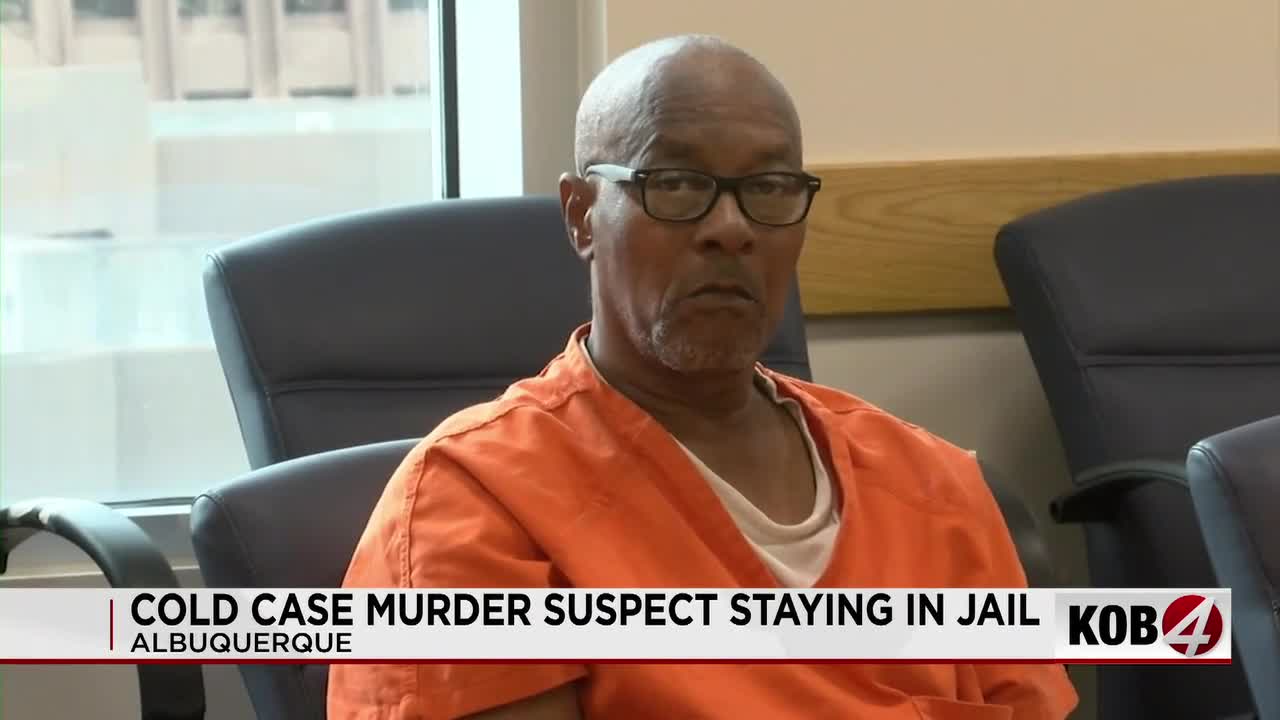
Shadow of ’83: DNA Claws Back a Past, Jails Suspect After Four Decades
POLICY WIRE — Albuquerque, N.M. — The arc of justice, they say, bends toward equity. Sometimes, though, it takes an awfully long, meandering route through the decades, collecting dust — and ghosts....

POLICY WIRE — Albuquerque, N.M. — The arc of justice, they say, bends toward equity. Sometimes, though, it takes an awfully long, meandering route through the decades, collecting dust — and ghosts. Just ask Charlie Brown Jr., who’s now grappling with events from 1983. For forty years, a murder in Albuquerque remained a gaping, unanswered question mark. Now, it seems, the silence has finally shattered—thanks to molecules and persistent investigators.
It wasn’t a confession or a sudden witness testimony that brought Mr. Brown back into the legal spotlight. Instead, it was the microscopic precision of modern forensic science, effectively peeling back the calendar pages. After all this time, prosecutors said DNA helped tie him to a 1983 killing in Albuquerque
. This isn’t some academic exercise in ancient history, you know? This is someone’s past catching up to their present, with serious, concrete consequences. A New Mexico judge made it perfectly clear: Mr. Brown will stay in jail
, awaiting trial. [QUOTE_PLACEHOLDER]
Forty-one years is a lifetime for some. For others, it’s a measure of unanswered grief. Agnes Tybo was killed all those years ago while she visited Albuquerque with family
. Imagine the family, carrying that weight, that uncertainty, for more than four decades. Police here in Albuquerque, to their credit, didn’t just let it go. They reopened the case after DNA helped them identify a suspect
. It’s a reminder, I guess, that even the coldest of cases can warm up, given the right technological push and, yes, some relentless human effort.
Law enforcement located and arrested Mr. Brown way over in Illinois. Then, they hauled him back, via extradition, to New Mexico to face the music. It’s quite the logistical dance, really, moving a man across state lines to answer for a crime that most folks involved would’ve assumed had been buried by time. But the legal system, when it chooses, can have an exceptionally long memory. Prosecutors argued Brown has an extensive criminal history — and poses a danger if released
. And, in a move that probably surprised precisely no one tracking the proceedings, the judge sided with prosecutors and ordered Brown to remain behind bars
.
And what about the sheer patience required here? Cold case units, often underfunded — and working with scraps, rely heavily on these technological leaps. It’s not just about a whiz-bang new gadget; it’s about refining techniques to extract and interpret evidence from ever smaller, more degraded samples. For context, while DNA evidence now plays a role in nearly 30% of U.S. cold case resolutions, a significant backlog still exists, with thousands of older cases waiting for a break, according to various Justice Department reports.
This case, then, isn’t just about one man — and one judge’s ruling. It’s a snapshot of a justice system—slow, sometimes painfully so—that can, eventually, catch up. But the implications ripple out. It impacts trust in institutions, the perception of public safety, and how communities reconcile with unresolved tragedies. There’s a subtle, almost quiet reassurance for victims’ families that someday, someone might still be held accountable. And for others, perhaps a creeping unease that history, in the age of genetics, truly does come calling, regardless of the years.
What This Means
This kind of outcome, fueled by forensic breakthroughs, signals more than just another arrest. It represents a subtle, yet significant, policy shift in how criminal justice budgets are allocated and what we expect from law enforcement. Imagine the long-term impact on judicial systems—not just in the States, but globally. Look at the complex legal landscapes in places like Pakistan, for instance. Forensic capabilities there, particularly DNA analysis, are still evolving. While progress is being made—Pakistan inaugurated its first state-of-the-art DNA laboratory in Lahore in 2013, with other initiatives slowly expanding across provinces—the sheer scale of judicial backlogs and the nuances of evidence collection in a vast, diverse country present considerable challenges.
This isn’t to say DNA tech doesn’t play a part; it’s increasingly integrated into high-profile cases, especially those involving sexual assault. But the infrastructure, the rigorous chain of custody, and the legal frameworks required for these tools to truly unlock decades-old cold cases effectively, like what we’ve seen in New Mexico, are incredibly resource-intensive. For countries with strained resources, decisions must be made: do you invest heavily in the forensic capabilities to revisit the past, or do you prioritize bolstering the present-day capacity to prevent and solve new crimes? It’s not an easy calculus.
Because, ultimately, what we see here in Albuquerque isn’t just science fiction turned into courtroom drama; it’s the quiet vindication of prolonged governmental investment in specific scientific disciplines. It’s about accountability finally being served, albeit on a timescale that challenges conventional notions of speedy justice. This case, — and others like it, underscore the ever-evolving dynamic between technology and the rule of law. It implies that for anyone who thought time had washed away their transgressions, the steady advance of forensic science is making that belief increasingly precarious. And, in an era where trust in governmental institutions is often shaky, the closure offered by cold case resolutions can, in a small way, bolster public confidence in the relentless pursuit of justice. For more insights on evolving legal frameworks and regional policies, check out Bernalillo County’s latest enforcement efforts or perhaps how technology influences global anxieties.