


Ghost in the Genes: Four Decades On, DNA Nabs Fugitive in New Mexico Cold Case
POLICY WIRE — Albuquerque, United States — Time, they say, waits for no one. But in the desolate theater of unsolved crime, it can often feel like time is simply… biding its own. Forty long...

POLICY WIRE — Albuquerque, United States — Time, they say, waits for no one. But in the desolate theater of unsolved crime, it can often feel like time is simply… biding its own. Forty long years crawled by since Agnes Tybo’s life was violently extinguished during a visit to New Mexico’s high desert. Forty years of unanswered questions, of family heartache, and—presumably—of one man believing he’d escaped the long shadow of justice.
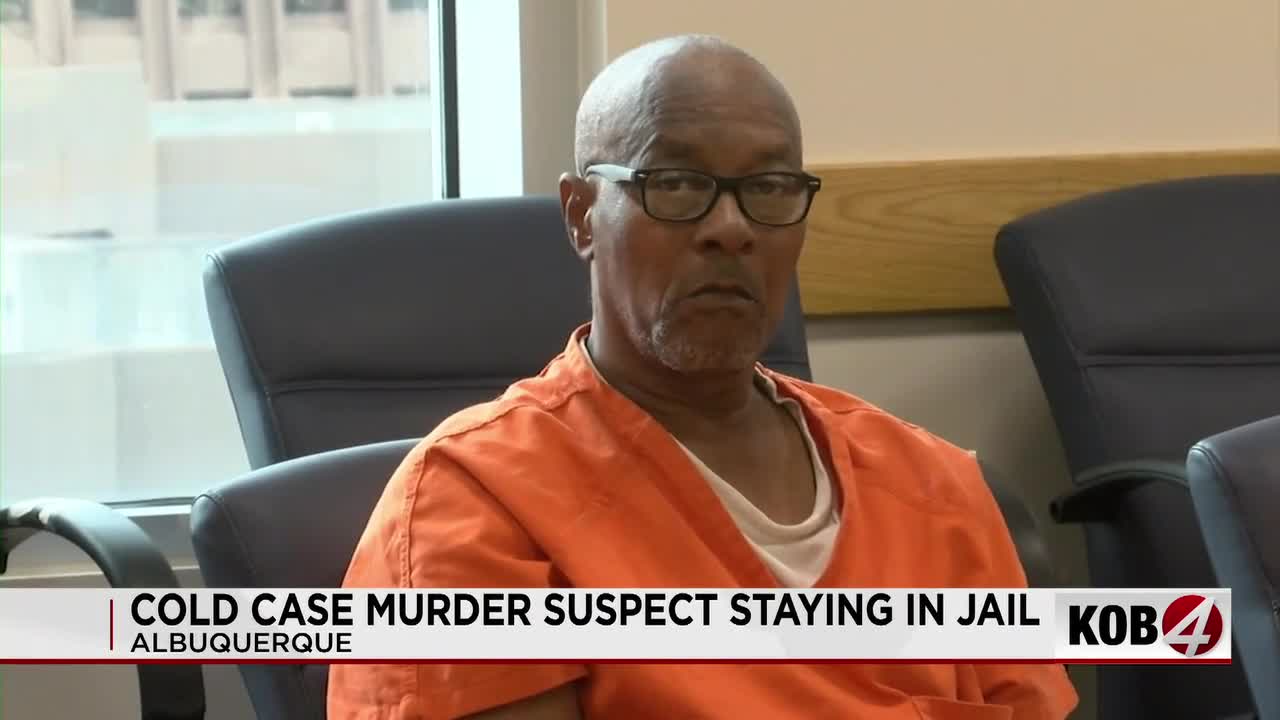
Then, the whispers began. Not of ghosts or rumors, but of molecular precision, of scientific breakthroughs that make the distant past suddenly, horrifyingly present. It’s what brought Charlie Brown Jr. back to Albuquerque, this time not by his own volition, but in shackles, extradited from Illinois to face charges for a 1983 murder. Because a judge here, sitting through the solemn gravity of the accusation, wasn’t having any of his freedom: Brown’s staying locked up, prosecutors insisting his rap sheet and potential danger mean he belongs behind bars. Period.
This isn’t just about a single crime, or a single arrest, though those are indeed the facts on the table. It’s about the relentless, grinding shift in how law enforcement operates, how cold cases—once shelved indefinitely, relegated to dusty file cabinets—are now being pried open with startling efficacy. DNA, you see, isn’t just a biological fingerprint anymore; it’s a time machine. And it seems to have just plucked Brown, after all this time, from the stream of anonymous decades.
“Justice doesn’t have an expiration date,” stated Bernalillo County District Attorney Raúl Torrez, his voice unwavering, addressing the quiet, often overlooked triumphs of persistent investigation. “The pain endured by Agnes Tybo’s family hasn’t lessened with the passage of decades. Our commitment to securing accountability for them hasn’t either. Modern forensic science, particularly DNA analysis, isn’t just a tool; it’s our ultimate weapon against the perpetrators who believe time is their accomplice.”
It’s a sentiment that resonates, profoundly, not just within the sun-baked streets of Albuquerque but across a globe where justice delayed often means justice denied. Think about it: a victim visits from out of town in 1983. Then, forty years later, the suspect is nabbed in another state, based on evidence from a bygone era that can now speak volumes. That’s an epic narrative unfolding in real-time, right in the courtrooms of the Land of Enchantment.
But how, precisely, does such a seemingly insurmountable gap get bridged? The initial reporting mentions DNA, which, back in ’83, was more scientific theory than practical investigative powerhouse. Today, laboratories—often backed by burgeoning budgets—can tease out genetic blueprints from quantities of material once considered utterly useless. It’s a remarkable leap, one that’s fundamentally reshaped the landscape of crime-solving. And, frankly, it’s keeping a lot of old-school criminals up at night.
Professor Aliyah Khan, a prominent legal ethicist at the University of New Mexico, offered a more circumspect, almost philosophical, take on these cases. “Forty years? That’s not just a cold case; it’s an archaeological dig,” she observed wryly. “The technology is stunning, truly. But with such advanced tools, we’re also contending with the fragility of human memory, the loss of secondary witnesses, and the inherent difficulties of constructing a precise narrative from a past that’s—by its very definition—receding. It’s not always as straightforward as the public perceives. What’s more, the concept of restorative justice for families, even with an arrest, is immensely complex after such a long wait.”
Because that’s the rub, isn’t it? The capture provides answers, perhaps closure, but it can never undo the devastation. It’s why there’s a quiet global movement, in places from Lahore to London, advocating for robust, well-funded cold case units. The National Institute of Justice reports that nearly 40% of solved cold cases between 2005 and 2017 were cracked using DNA evidence, a staggering figure that justifies the investment—and the hope.
What This Means
This judicial order, to hold Charlie Brown Jr., isn’t just another booking. It signifies a profound inflection point in the criminal justice system’s capabilities, underscoring the irreversible impact of DNA technology on even the most stagnant cold cases. Politically, it grants law enforcement and prosecuting offices powerful talking points: the commitment to justice, no matter how distant. But it also creates immense pressure. Citizens, seeing these headlines, are now more likely to demand similar efforts for their own community’s lingering mysteries. That’s a good thing, mostly. Yet, it also poses significant economic challenges.
Because funding these sophisticated forensic laboratories, paying the analysts, and allocating detectives to painstakingly re-examine decades-old evidence—it’s not cheap. Every case reopened, every successful identification, effectively resets the public’s expectation for *all* cold cases. It creates a backlog, a moral imperative that state — and local governments will struggle to fully resource. Then there are the legal battles. Defense attorneys, armed with arguments about the age of evidence and the potential for contamination across forty years, will surely mount robust defenses. We’re looking at appeals that could drag on for years, further testing the patience of victim families. This case in Albuquerque is, in a very real sense, a microcosm of a much larger, global re-evaluation of justice’s limits—and its new, technologically extended reach. But who ultimately pays for that?
And let’s not forget the sheer human element. Imagine being Agnes Tybo’s family. Forty years of birthdays, holidays, quiet moments overshadowed by an absent presence, a crime left unpunished. No resolution. Then, suddenly, a phone call. It’s a maelstrom of emotions—relief, anger, perhaps even exhaustion. It’s not just a legal development; it’s a profound, sometimes terrifying, shift in personal history. This particular case also speaks to the nature of fugitives. It doesn’t matter if you build a new life in another state, or even, hypothetically, halfway across the globe, perhaps starting afresh in Karachi. If the evidence, now re-evaluated through a powerful new lens, can find you, it will.