

Ebola Confirmed in France: Doctor Returns from DRC Humanitarian Mission
POLICY WIRE — Paris, France — The spectre of Ebola, a severe and often fatal hemorrhagic fever, has once again manifested in Europe, as French health authoritie...

POLICY WIRE — Paris, France — The spectre of Ebola, a severe and often fatal hemorrhagic fever, has once again manifested in Europe, as French health authorities confirmed Wednesday the identification of a positive Ebola virus case. The affected individual is a medical professional who had recently returned from a humanitarian mission in the Democratic Republic of Congo (DRC), a nation grappling with persistent outbreaks of the virulent disease. (Reporting based on official ministry statements)
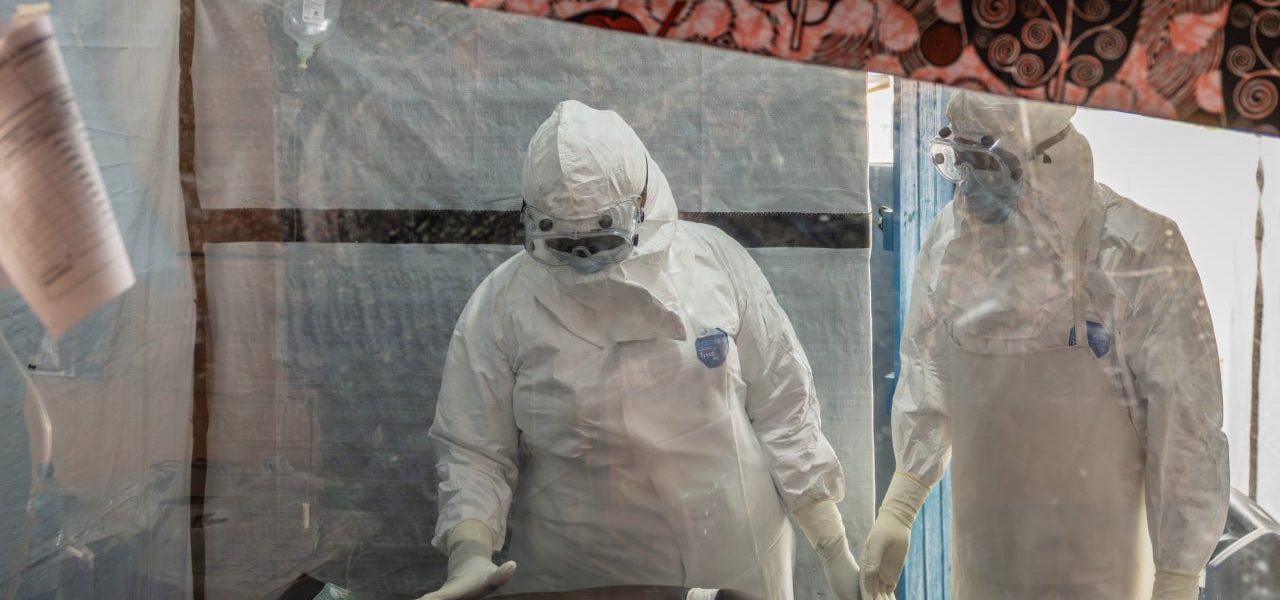
According to the French Ministry of Health, the individual, whose identity hasn’t been released, was engaged in critical aid work within one of the virus transmission zones in the DRC. Upon their return to France, stringent public health protocols were initiated, leading to their immediate transfer and care at a specialized medical facility. Initial reports indicate the person is in stable condition, a crucial detail for containment — and recovery efforts.
This confirmation arrives amidst a protracted struggle against Ebola in Central Africa. The Congolese health ministry reported on Wednesday that 1,094 confirmed cases have been recorded in the DRC. This stark figure underscores the scale of the ongoing public health emergency in the region and highlights the considerable risks undertaken by aid workers on the front lines.
Ebola virus disease, known for its high fatality rate, is transmitted through direct contact with the blood, secretions, organs or other bodily fluids of infected people, and with surfaces and materials (e.g. bedding, clothing) contaminated with these fluids. Symptoms can be severe and sudden, including fever, fatigue, muscle pain, headache, sore throat, followed by vomiting, diarrhoea, rash, symptoms of impaired kidney and liver function, and, in some cases, both internal and external bleeding. The incubation period typically ranges from 2 to 21 days.
For nations like France, robust public health infrastructure and swift response mechanisms are vital in preventing broader transmission. The immediate isolation and specialized treatment of the patient reflect the rigorous preparedness plans put in place to manage such imported cases. Medical staff and other contacts of the confirmed patient will likely undergo careful monitoring to ensure no secondary transmissions occur.
The role of international humanitarian efforts in regions besieged by such health crises cannot be overstated, though it inherently carries elevated risks for personnel. Medical professionals, driven by a commitment to global health, often work in challenging environments with limited resources, placing them at increased exposure to pathogens like Ebola. Their selflessness, however, is a critical component in containing epidemics at their source and preventing their wider global spread.
The ongoing outbreak in the Democratic Republic of Congo has presented unique challenges, complicated by factors including regional instability, internal displacement, and, in some instances, community resistance to health interventions. These complexities make the work of humanitarian organizations exceptionally difficult, even as they provide indispensable support in screening, contact tracing, treatment, and vaccination efforts.
What This Means
The confirmed Ebola case in France, originating from a humanitarian mission in the Democratic Republic of Congo, serves as a stark reminder of the interconnectedness of global health. While the situation is concerning, France’s rapid identification, isolation, and treatment of the patient demonstrate the efficacy of robust surveillance systems and established public health protocols in developed nations. This immediate response is critical for containing such highly infectious diseases before they can establish a foothold within new populations.
For countries supporting humanitarian efforts, this incident highlights the paramount importance of pre-departure training, protective equipment, and post-mission screening for returning personnel. It underscores the perpetual challenge of balancing compassionate international aid with the necessity of safeguarding domestic public health. As long as Ebola circulates in endemic regions like the DRC, there remains a low but constant risk of isolated cases emerging elsewhere through international travel or humanitarian workers.
Ultimately, preventing future imported cases depends on sustained international efforts to control outbreaks at their source. Investing in public health infrastructure, research, and vaccination programs in affected nations remains the most effective long-term strategy for mitigating the global threat of Ebola and protecting both local populations and the courageous individuals who dedicate themselves to humanitarian aid.