


Jemez Ablaze: New Mexico’s Fires Whisper of a World Under Siege
POLICY WIRE — SANTA FE NATIONAL FOREST, N.M. — The scent of burning pine isn’t just in the air over New Mexico’s Jemez Mountains anymore; it’s practically woven into the local fabric, a...

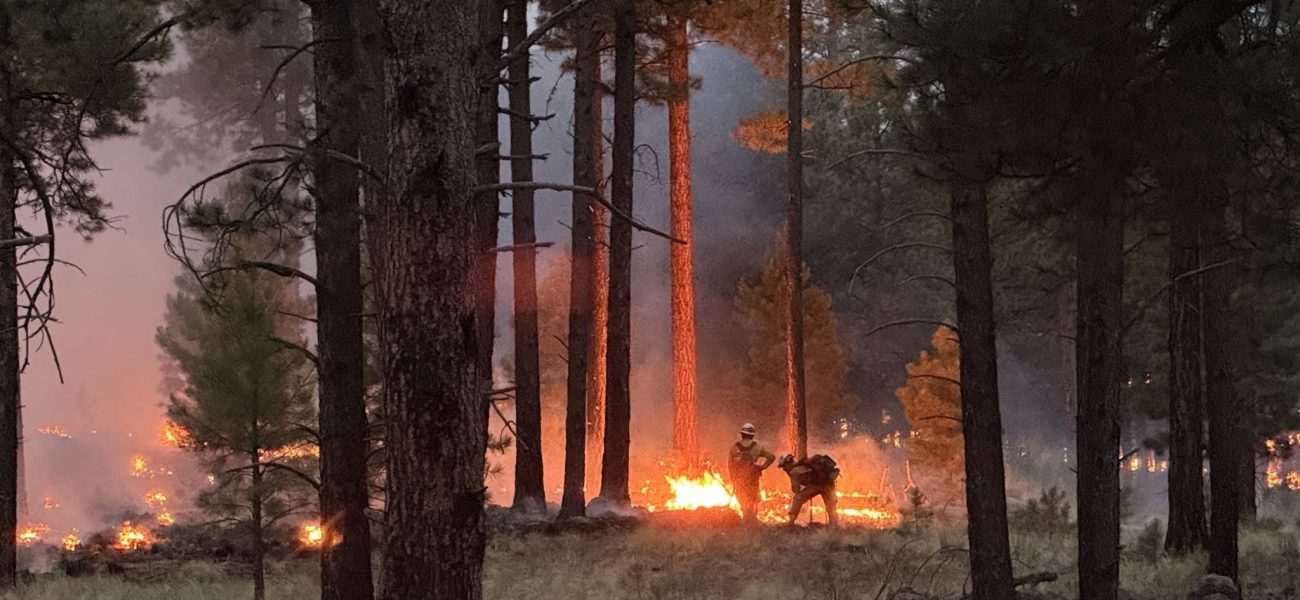
POLICY WIRE — SANTA FE NATIONAL FOREST, N.M. — The scent of burning pine isn’t just in the air over New Mexico’s Jemez Mountains anymore; it’s practically woven into the local fabric, a persistent, choking reminder of an increasingly frayed relationship between humanity and its environment. Just last Wednesday, another spark, another brushfire—this one dubbed the McCauley Springs Fire—began its hungry ascent. Now, it’s torn through some 327 acres, stubborn and entirely uncontained, pushing out families, closing down swaths of highway, and leaving the weary crews of a Northern New Mexico Type 3 Incident Management Team fighting an uphill battle against the very air we breathe.
No, this isn’t just about New Mexico. It’s a recurring drama played out from California’s dry hills to Australia’s scorched forests, even, in different forms, to the flood-ravaged plains of Pakistan—a stark, shared lesson in what climate shifts truly mean on the ground. And the smoke plume, visible clear from Albuquerque to U.S. Highway 550, is more than just particulates; it’s a grim forecast. Evacuation orders are a recurring nightmare: Battleship Rock, Jemez Falls, Redondo campgrounds—all gone quiet, emptied. Sierra de Los Piños — and Jemez Falls Campground are in ‘GO’ status, meaning residents get out, now. But for many, especially the aging population here, where do you even go? The Jemez Springs Senior Center — and La Cueva Mt. Baptist Church offer a temporary, strained sanctuary, but what about the life left behind?
It’s relentless work, trying to cage this monster. Air tankers have been streaking across the bruised sky, dumping fire retardant in a desperate bid to slow its advance, while helicopters hover like determined insects, sloshing water onto the ground crews’ fiery dance. These aren’t isolated operations. They’ve got the Sacramento and Blue Ridge Interagency Hotshot Crews on the scene, fresh talent arriving Wednesday evening to back up the local and federal teams already grinding away. They’re running strategic firing operations along Highway 4, pushing west towards Banco Bonito, hoping to outwit the blaze, deny it fuel, but fire, you know, it’s got its own cunning.
But the exhaustion is palpable. “You stand out there, covered in soot, eyes stinging, and you just know this isn’t a one-off anymore,” remarked Mark Trujillo, the Incident Commander for the McCauley Springs operation, his voice gravelly from smoke and stress. “It’s become the default. Our seasons are longer, hotter. We patch one, and two more pop up. We’re doing everything we can, laying handlines, dozer lines, burning out indirect pockets, but you’re always fighting yesterday’s battle while preparing for tomorrow’s inferno.” He’s right; the crews stitched together lines overnight, trying to use the Jemez Falls Campground road system as a bulwark. And a dedicated structure protection group held its ground in Sierra de los Piños, their presence a thin line against devastating loss.
Because these blazes are getting bigger, nastier. The average annual area burned by wildfires in the U.S. has increased by more than 300% since the 1980s, according to data compiled by the National Interagency Fire Center (NIFC). That’s a stark figure, not just numbers on a page; it’s homes lost, ecosystems obliterated, and immense public funds poured into an increasingly desperate defense. Pakistan, for instance, a nation often overlooked in these Western-centric climate discussions, faces its own hydra of climate woes, from brutal heatwaves that cook cities to unprecedented flooding—their government spends billions reacting, often displacing millions. The sheer scale of global climate events, irrespective of GDP, reveals a disconcerting shared vulnerability. They’re struggling with too much water, we’re wrestling with too little, — and all the while, the planet cooks.
The state’s got to manage its resources, though, no matter how dire. New Mexico Governor Michelle Lujan Grisham (D) acknowledged the strain during a recent press briefing. “We’re stretched, no doubt,” she stated, her demeanor stern. “But we’re adapting, investing in preemptive measures — and robust firefighting capabilities. This isn’t just about putting out fires; it’s about protecting livelihoods, entire communities, and our irreplaceable natural heritage. And it requires federal partnership, now more than ever, especially when so much of our land is national forest.” They’re trying, but the long-term outlook is a heavy thought, isn’t it?
What This Means
This McCauley Springs Fire, uncontained as it stands, isn’t just a local emergency; it’s a symptom of a larger, systemic problem confronting public policy worldwide. Economically, the cost of fighting these increasingly frequent and intense fires strains state and federal budgets, diverting funds from education, infrastructure, or healthcare. Consider the direct costs of suppression—tens of millions for larger fires—plus the indirect costs of property loss, agricultural damage, tourism downturns, and healthcare expenditures due to smoke inhalation. Politically, the regular declaration of emergencies, the constant demands on relief agencies, and the perceived inability to effectively contain these events can erode public trust and shift voter priorities. Communities demand action, but the ‘action’ often feels like perpetual triage, not prevention.
This situation also lays bare the uneven impacts of climate change. While developed nations like the U.S. wrestle with larger wildfires and extreme heat—a topic that echoes debates heard from California to Europe’s scorching summers—developing nations, particularly in regions like South Asia and the Muslim world, often face devastating climate events with far fewer resources. They’re dealing with the same global atmospheric dynamics but with greater exposure and less capacity to adapt or rebuild. The solutions, if they exist, aren’t found in individual fire zones but in global climate policy, resource sharing, and, frankly, a sober accounting of our planet’s capacity for abuse. Until then, we’ll continue to watch the skies, hold our breath, and hope for a change in the wind, a change in strategy, anything to break this devastating cycle.