

Shadow Waters: Indian Captain Charged Amid UK’s High-Stakes Maritime Sanctions Play
POLICY WIRE — London, UK — Here’s a thorny problem: You’re navigating a vast expanse of open water, supposedly doing a job, and suddenly—out of the blue, or rather, the choppy grey—British commandos...

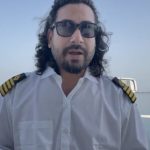
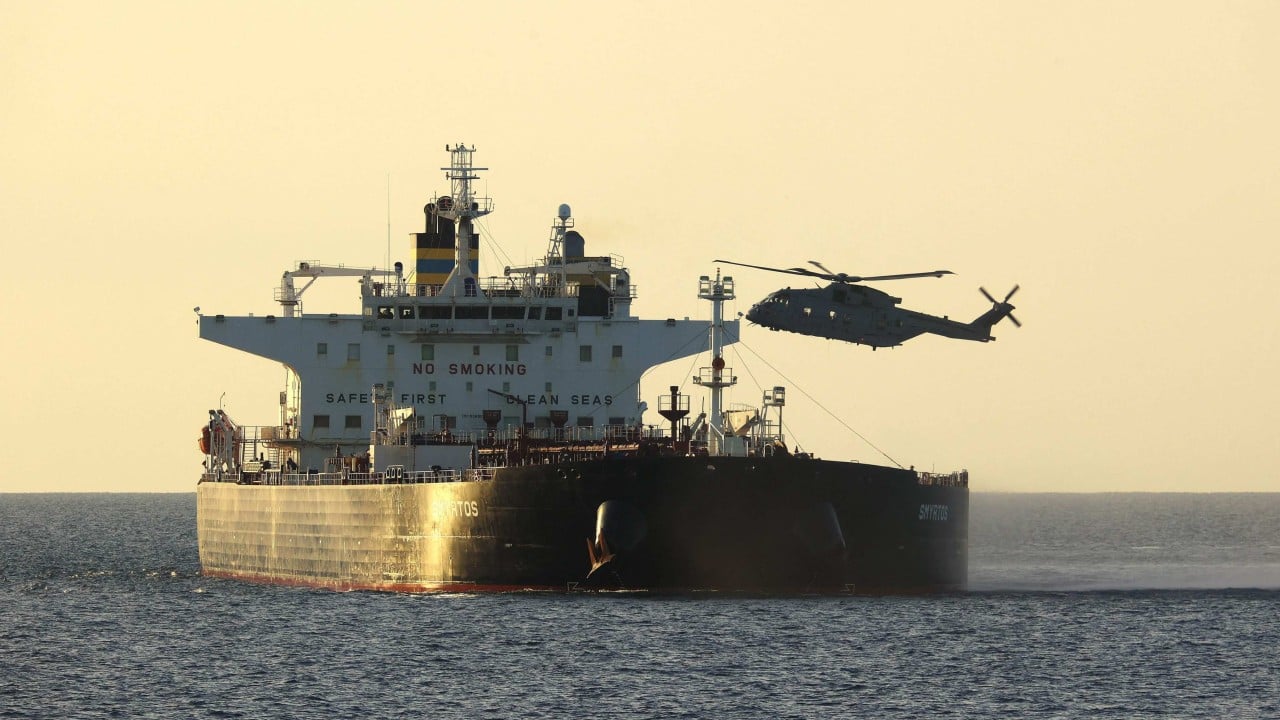
POLICY WIRE — London, UK — Here’s a thorny problem: You’re navigating a vast expanse of open water, supposedly doing a job, and suddenly—out of the blue, or rather, the choppy grey—British commandos are swarming your ship off England’s southern coast. That’s precisely what played out last Sunday for an Indian captain, whose identity remains guarded for now, at the helm of an oil tanker known as the Smyrtos. He’s now on the hook, charged by British prosecutors with contravening sanctions, a move that’s sending ripples far beyond the Channel’s currents.
It’s easy to focus on the flashy part, you know? British armed forces intercepting what authorities insist is an alleged Russian shadow fleet vessel—a whole dramatic operation hailed by Kyiv and London as a blow to Moscow’s war machine. But let’s get real. Beyond the geopolitical chest-thumping, a human drama unfolds, one often ignored by the grand narratives of international policy. This isn’t some abstract concept of enforcement; it’s an individual facing legal jeopardy, caught squarely in the crosshairs of global power plays. [QUOTE_PLACEHOLDER]
The National Crime Agency (NCA) wasn’t shy about it. They made their announcement on Monday. But the implications stretch much further than a single courtroom proceeding. This interception—and subsequent charging—shines a harsh light on the clandestine world of shadow fleets. These vessels, operating under opaque ownership and often old as the hills, have become a ghost army for sanctioned regimes, ferrying oil and other goods beneath the radar of international oversight. Estimates suggest that the global shadow fleet, post-sanctions, could now account for a staggering 20% of all global oil tanker capacity, according to a recent Lloyd’s List report.
And where do many of these crews come from? You guessed it. South Asia. For folks in India, Pakistan, Bangladesh, and other parts of the Muslim world, seafaring isn’t just a job; it’s often one of the best available tickets to economic opportunity. Many mariners, often from lower-income backgrounds, find themselves taking jobs on vessels where the owners, cargo, and destinations aren’t always as transparent as they might hope. They’re just trying to provide for their families. They sign on, push off, — and become unwitting pawns in conflicts a million miles from home.
It’s a gritty reality. Because, let’s be honest, captains don’t usually get to pick the geopolitical allegiances of their benefactors. They sail the ship, follow orders, — and pray they don’t end up in an international incident. And here we’re. A vessel, Smyrtos, which British authorities contend is said to belong to Russia’s shadow fleet
, gets snagged. This isn’t just about a tanker; it’s about the tightening net of international sanctions. It’s about a clear signal: you can run, but you can’t necessarily hide forever.
But consider this. While sanctions aim to hobble adversaries, they also create a desperate grey market. New flags, new paperwork, shell companies galore—all designed to circumvent restrictions. And who often takes the fall when the cat-and-mouse game goes wrong? Not the tycoons in luxury high-rises, but the captain, navigating turbulent seas both literally — and legally. We’re talking about individuals, whose training and background are typically rooted in safe, legitimate trade, now confronting legal ramifications that could impact their entire lives.
The situation complicates global shipping for everyone, honestly. Insurers are tearing their hair out. Port authorities are on edge. Even otherwise legitimate carriers have to double and triple-check everything, scared they might accidentally brush up against one of these phantom ships. This event serves as a blunt reminder: international law, especially maritime law, doesn’t always account for the sheer human element when things get messy.
And let’s not forget the bigger picture for countries like Pakistan, a nation strategically perched at the mouth of crucial shipping lanes. They’ve got a long history of maritime involvement, from commercial trade to their navy. This kind of event can stir concerns about maritime freedom, especially for neutral nations trying to maintain their own trade routes and protect their seafarers from entanglement in superpower squabbles. This kind of interdiction—it changes the game, don’t it?
What This Means
The charging of the Smyrtos’s Indian captain isn’t just a localized incident; it’s a policy gauntlet thrown down by the UK. Expect it to reverberate across boardrooms — and port cities from Rotterdam to Karachi. Politically, London is signaling its intent to actively police sanctions, making it clear that economic warfare isn’t just fought with ledger entries, but with naval muscle and courtroom battles. This isn’t a one-off; it’s a blueprint. We’re likely to see more aggressive interdictions, pushing the boundaries of what constitutes legitimate enforcement in international waters.
Economically, this action exacerbates the risks associated with shadow fleets. Shipping companies, even those peripherally involved in murky transactions, will face increased scrutiny and potentially higher insurance premiums—if they can even get coverage. The cost of doing business in this grey zone just went up, which could eventually trickle down into higher prices for commodities. For South Asian maritime communities, it’s a warning. Employment on ‘bargain’ vessels comes with increasingly perilous baggage, forcing governments and unions in countries like India and Pakistan to consider stronger protections or advisories for their seafarers. The waters just got choppier for the shadow games of international trade and power.