


Ghost Ships or Sovereign Sailing? Indian Tankers Redefine Hormuz Rhetoric
POLICY WIRE — Washington, D.C. — Every twenty minutes, day and night, something enormous glides through the Strait of Hormuz. That’s a staggering clip. It’s the relentless pulse of the...

POLICY WIRE — Washington, D.C. — Every twenty minutes, day and night, something enormous glides through the Strait of Hormuz. That’s a staggering clip. It’s the relentless pulse of the global economy, oil sloshing across oceans, often ignored by the clamor of geopolitics—until, of course, it isn’t. And lately, folks, it really hasn’t been ignored.
While the geopolitical chatter surrounding this choke point has lately been thick enough to cut with a dull knife, the stark, undeniable reality of commercial transit simply carries on. It does. Because nations like India—with their burgeoning energy demands—don’t get to press pause on their need for crude just because a couple of major powers are squabbling over who controls what. It’s a logistical imperative.
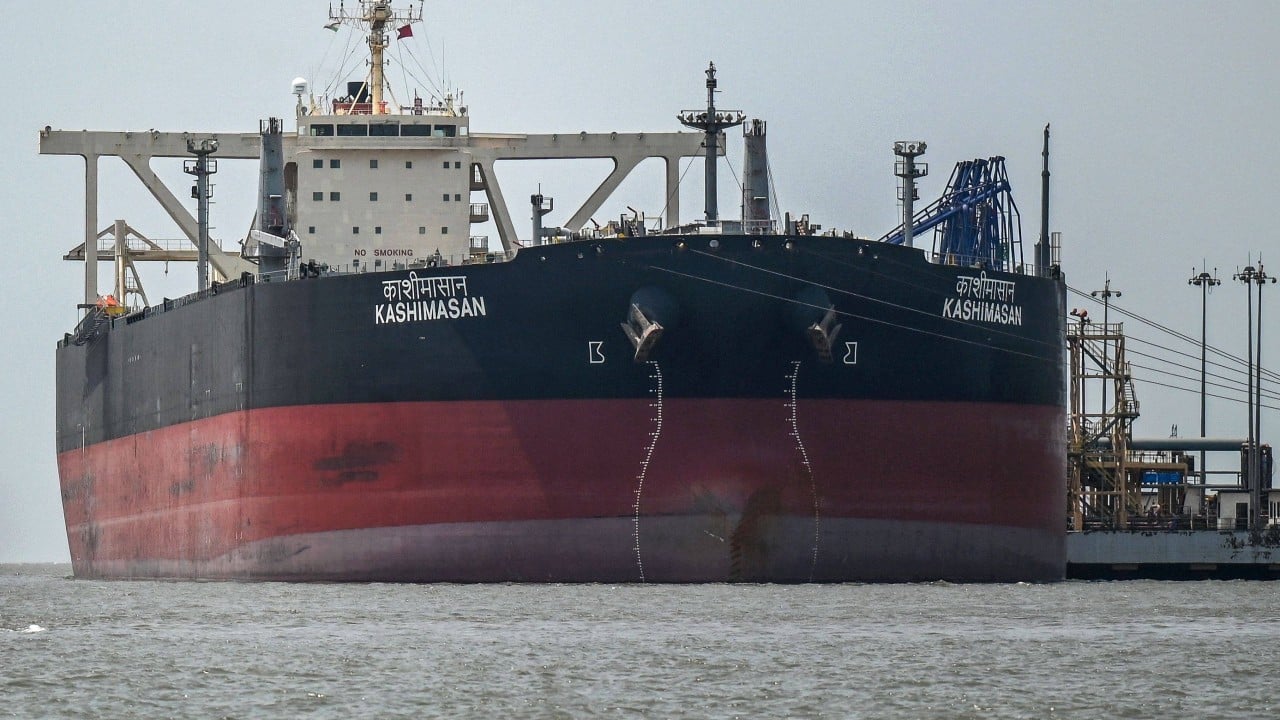
It’s within this climate that three substantial, India-linked crude carriers decided to make their appearance in the Gulf of Oman, bringing a jolt of real-world data to a landscape often dominated by diplomatic pronouncements and sabre-rattling. These aren’t just ships; they’re moving indicators of ongoing trade, very real dollars, and tangible defiance to an ambiguous threat. They offer a physical counterpoint to all the, let’s just say, heated talk about military readiness and freedom of navigation. And frankly, this particular movement throws a bit of a wrench into neat, one-sided narratives.
These vessels — The Desh Vibhor, Desh Vaibhav and Sanmar Herald — popped up, observable there in the Gulf of Oman and the Arabian Sea on Sunday. Where’d they come from? They’d been last observed, get this, [QUOTE_PLACEHOLDER] signalling their attempt to cross the Strait of Hormuz late on Friday [QUOTE_PLACEHOLDER]. One minute they’re indicating a passage, the next they’re on the other side, carrying on with their business, full of the black stuff. It’s almost anticlimactic, isn’t it? After all the bluster, tankers just keep on trucking (or, well, sailing).
Now, we’ve seen these, uh, conflicting narratives over the status of transits persist, especially coming out of Washington and Tehran. Each side, naturally, is trying to paint a picture of control or defiance, depending on who’s doing the talking. But when you’ve got tankers, these massive floating statements, appearing where they’re supposed to appear, it sort of drains some of the oxygen from those high-octane political arguments. It suggests that even amidst high tensions, the nuts — and bolts of commerce find a way to operate. Or at least, they’re certainly trying their level best.
India’s got skin in this game. They really do. The nation, a developing economic juggernaut, relies heavily on Middle Eastern crude to power its growth. In fact, approximately 80 percent of India’s oil consumption comes from imports, with a substantial portion sourced from the Gulf, according to the IEA. That’s not just a statistic; that’s the beating heart of their economy. Disruptions aren’t just an inconvenience; they’re an existential threat. So, when New Delhi’s tankers sail through a hotly contested strait, it’s not merely a commercial event. It’s a statement, however quiet, about national economic security. It implies a degree of certainty that the rhetoric of the moment often lacks.
The wider Muslim world, and particularly neighboring nations like Pakistan, watches this space with considerable unease. Any real instability in Hormuz impacts the price — and availability of critical resources across the entire region. Shipping lanes aren’t just routes; they’re lifelines. And a chokehold there doesn’t just pinch global trade; it risks destabilizing economies from Karachi to Cairo. Pakistan, itself grappling with its own energy and economic challenges, simply can’t afford anything that further rattles this already fragile setup.
What This Means
Look, the takeaway here isn’t complicated. These tanker movements suggest a certain resilience, maybe even a begrudging understanding, that despite all the tough talk, the wheels of commerce must keep turning. It points to a de-facto, if unstated, agreement that freedom of navigation, especially for energy supplies, remains non-negotiable. Washington — and Tehran can spar, certainly. They always have, they always will. But the reality on the ground—or, on the water, rather—is that the world can’t just stop accessing oil. India, along with pretty much every other energy importer, has little choice but to maintain these critical sea lines of communication.
For New Delhi, it’s a careful balancing act, a diplomatic tightrope walk between maintaining solid relations with both Western powers and Gulf states—a necessary game. It isn’t just about sourcing crude, but about maintaining the stability required for economic expansion at home. And that’s why these three tankers, `Desh Vibhor`, `Desh Vaibhav`, — and `Sanmar Herald`, are more than just vessels. They’re concrete evidence that underneath the noisy surface of international politics, the relentless flow of oil, and with it global economies, continues to find its way, sometimes through quiet persistence, through one of the most perilous shipping lanes on Earth. It’s messy. It’s imperfect. But it’s what’s happening.
