


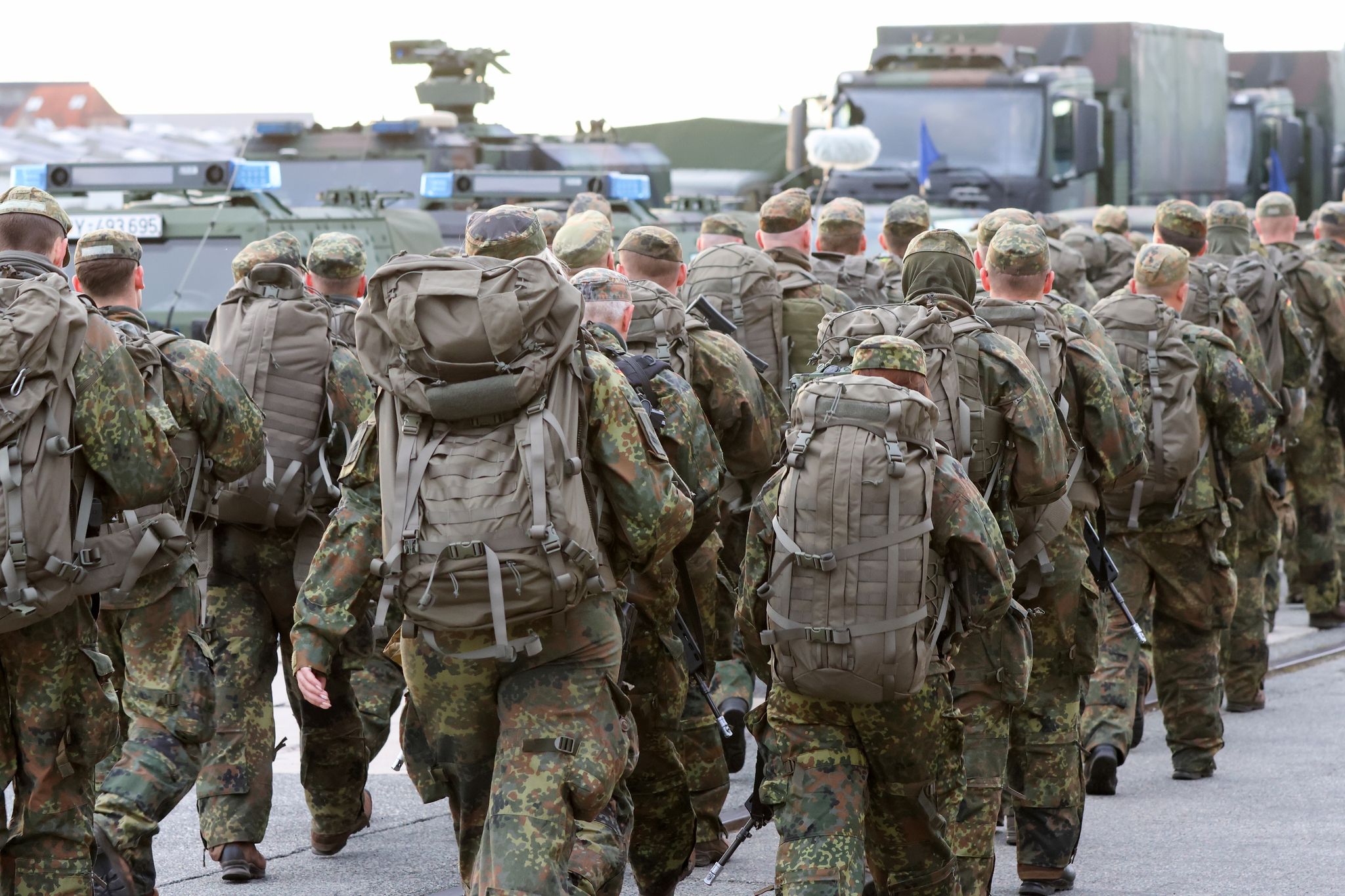
Berlin’s Shifting Sands: New Military Scheme Rethinks German Power, Draws Unexpected Crowds
POLICY WIRE — Berlin, Germany — Forget the old narrative of a Germany perpetually hesitant to flex military muscle. For decades, the Bundeswehr, Germany’s armed forces, often felt more like an...

POLICY WIRE — Berlin, Germany — Forget the old narrative of a Germany perpetually hesitant to flex military muscle. For decades, the Bundeswehr, Germany’s armed forces, often felt more like an afterthought in national discourse, a necessary historical penance perhaps, than a robust projection of national power. It wasn’t always this way, of course—and now, it seems the tide is genuinely turning. Suddenly, young Germans, who grew up knowing only a peacetime, post-conscription nation, are actually knocking on the army’s door. Quite literally.
It’s a peculiar twist, this surge of interest in uniforms — and tactical drills. Berlin has rolled out what they’re calling a new voluntary military service. But don’t confuse this with the mandatory drafts of yesteryear. This isn’t your grandfather’s conscription. This fresh initiative aims for flexibility—short stints, specialized training, maybe a promise of some civilian qualification on the back end. And, perhaps most surprisingly, it’s working. German Defense Ministry figures indicate a 22% surge in applications compared to previous voluntary schemes. That’s a chunk of fresh faces eager for… well, we’re not entirely sure what, but they’re signing up. [QUOTE_PLACEHOLDER]
But how did we get here? For so long, the post-war German identity was intertwined with a pacifist stance, or at least a highly restrained military one. Public opinion, generally, preferred robust social programs over defense budgets. Suddenly, though, global events—and I don’t need to spell out which ones—have rather rudely shoved national security back onto the front burner. And it’s not just a geopolitical chill; it’s a re-evaluation of what a nation of Germany’s economic heft and historical baggage must do, rather than what it prefers to avoid.
It’s no small thing for a country that dismantled conscription over a decade ago—a system that, while sometimes unpopular, provided a baseline of military literacy for the general populace. Now, without that universal experience, recruitment has always been a harder slog. They’ve struggled to meet targets. But this new voluntary path seems to have hit a nerve. It offers a structured way for young people to contribute, perhaps gain some skills, — and earn a paycheck. And it probably helps that the defense budget isn’t quite the political orphan it once was. But it’s not just about money, is it?
You’ve got to wonder what draws them. Adventure? A sense of purpose in a turbulent world? Or maybe it’s just the pragmatic reality that, for many, structured employment is a decent deal, especially if it comes with the weight of national service attached. It’s a complex brew of patriotism, opportunity, — and the cold, hard facts of an uncertain global landscape.
This reorientation of Germany’s security posture isn’t happening in a vacuum, of course. Nations further east, say, in Pakistan or across South Asia, watch these developments with a calculating eye. Stability in Europe, particularly a robust and well-equipped Germany contributing to collective defense, has ripple effects. It impacts global power dynamics, alliance structures, — and even arms markets. A stronger, more self-reliant European defense means different diplomatic calculations for Islamabad, which constantly balances its own security concerns with global and regional partnerships. It’s all connected, after all.
And what does this mean for the EU? A more self-sufficient German military certainly changes the calculus for European defense. It could lessen reliance on—or, depending on who you ask, finally get Europe pulling its weight alongside—the United States. For some, it’s a welcome development, a step towards genuine strategic autonomy. For others, particularly those who remember Germany’s past military ambitions, it might stir a faint unease. But right now, it’s less about grand designs — and more about bodies in barracks.
The Bundeswehr has been facing down some serious challenges, not least a persistent perception problem and equipment woes. But this influx of new blood, even on a voluntary, short-term basis, provides a crucial lifeline. It suggests that public attitudes might be softening, or at least shifting, towards a more practical engagement with national defense. You can’t just wish away global insecurity, can you?
What This Means
The success of Germany’s new voluntary military service, drawing significant numbers of young recruits, marks a subtle but profound shift in European geopolitical sands. Economically, this new approach could provide a modest, cyclical boost to local economies around training facilities, and it could also enhance Germany’s defense industry as more hands on deck often translates to a need for more robust, modern equipment. For the labor market, it’s a structured path, albeit temporary for many, potentially instilling discipline and practical skills that transition back into civilian life, though the true impact remains to be seen.
Politically, this initiative allows Berlin to address security concerns and commitments to NATO without politically unpopular mandatory conscription. It gives Germany a more credible stance in European defense planning, an important aspect given ongoing regional conflicts. For countries like Pakistan, monitoring European military evolutions is essential. A more capable German military strengthens Europe’s role in global security, which could affect resource allocation for security cooperation and defense partnerships between Europe and South Asian nations. It subtly recalibrates power dynamics. And that’s not something you just shrug off. It’s changing how other nations see European resolve. For a deeper look into the intricate dance of international relations, consider the nuances of Gulf Fire, Quad Fissures: US-India Strain Threatens Critical Mineral Game, or perhaps even Paper Tigers and Pacific Power: America’s Latest Command Rebrand. Each move, each re-evaluation of military structure, echoes across continents, whether Berlin explicitly intends it or not. The Bundeswehr isn’t just about Germany anymore; it’s a piece in a much larger puzzle.