
Shadow Games: Vance’s Quiet Maneuvers as 2028 Loom Large
POLICY WIRE — Washington D.C. — The whispers coming out of Washington, D.C., aren’t always about policy; sometimes, they’re about the choreography of ambition, a dance so...

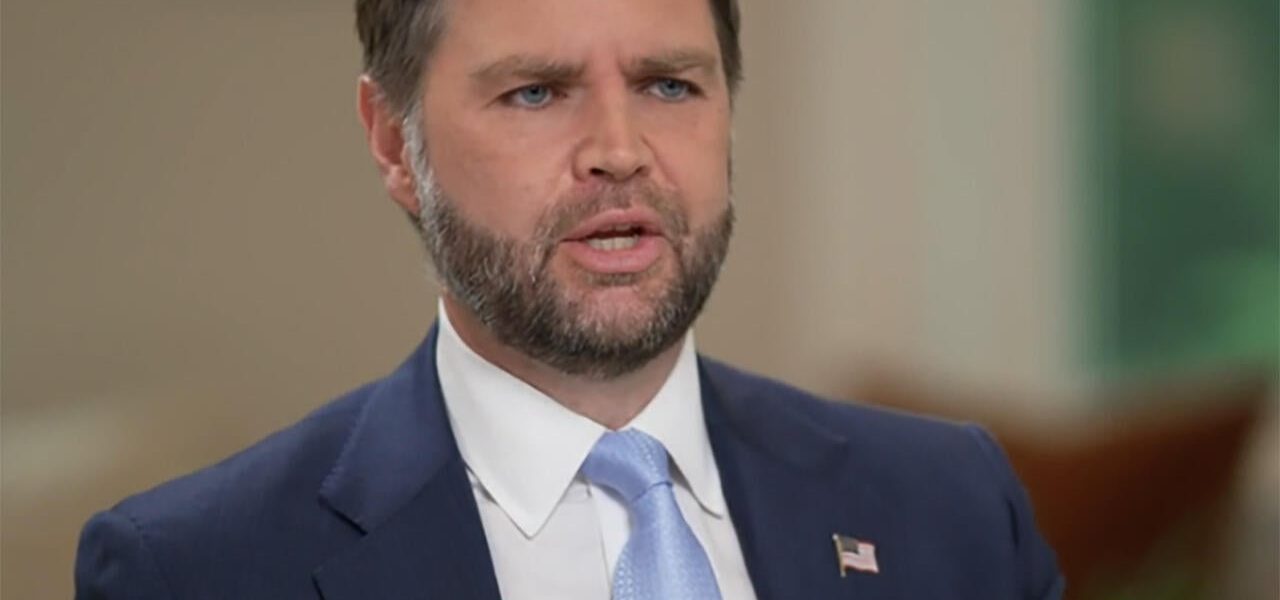
POLICY WIRE — Washington D.C. — The whispers coming out of Washington, D.C., aren’t always about policy; sometimes, they’re about the choreography of ambition, a dance so intricate it makes a chess grandmaster look like a casual dilettante. Lately, the rhythm seems to center on one particular political figure, J.D. Vance, the Ohio senator whose ascent has been nothing short of meteoric. But it’s not his legislative record grabbing the latest headlines, it’s a subtle positioning, a quiet declaration, implying he has former President Donald Trump’s seal of approval. One might even call it a strategic alignment of the planets, setting the stage for what comes next in the convoluted theatre of American power.
It seems Senator Vance has, rather artfully, conveyed that Donald Trump is [QUOTE_PLACEHOLDER] of whatever future path Vance intends to tread. What this path precisely entails—a VP slot in a future Trump administration, perhaps, or a full-blown presidential bid in 2028—remains somewhat opaque. That’s by design, of course. American politics, bless its chaotic heart, thrives on such calculated ambiguity. It’s not about making a direct declaration. It’s about signaling. And this particular signal has the gravity of a man charting his course toward the nation’s highest office, or at least a highly significant supporting role, all while the electoral clock ticks inevitably towards 2028. You don’t just trip into a presidential primary, do you? No, you lay the groundwork, you solicit blessings, — and you watch your words like a hawk watching a field mouse. It’s a full-time job.
And so, we’re left to parse the delicate insinuation. The implication is stark: Vance isn’t just a senator from Ohio; he’s a burgeoning force, blessed by the Republican Party’s undisputed titan. This kind of patronage, a digital imprimatur from Mar-a-Lago, can either catapult a candidate into the stratosphere or chain them irrevocably to the patron’s fate. We’ve seen both, haven’t we? It’s a gamble, pure — and simple, but one Vance seems keen to make. It’s not just a domestic issue either. The reverberations of who stands where in the GOP line-up reach far beyond American shores. Global partners, — and adversaries alike, pay attention to these subtle shifts.
Consider the broader context. When figures like Vance begin to gather perceived endorsements from powerful, divisive personalities, it changes the entire political ecosystem. These endorsements aren’t just pats on the back; they’re strategic weapons, signaling a specific ideological future. A future where traditional alliances might fray, or new, unexpected ones emerge. The global implications are not lost on onlookers, especially in regions as geopolitically tense as South Asia. Pakistan, for instance, a nation grappling with its own internal political turbulence and an external gaze perpetually fixed on Afghanistan, observes these machinations with a hawk’s eye. A shifting American foreign policy under a potentially different Republican leader could re-write agreements, re-prioritize aid, or alter the very definition of who’s friend and who’s foe in that complex corner of the world.
And these potential shifts aren’t theoretical. According to data compiled by the Stockholm International Peace Research Institute (SIPRI), U.S. military aid to Pakistan, for example, saw a significant decline of over 60% between 2005 and 2015, fluctuating wildly based on Washington’s shifting strategic priorities and the prevailing political winds. New leadership, particularly one with a perceived America First focus, would scrutinize such relationships again, possibly with a harsher lens. This isn’t merely conjecture; it’s a predictable pattern in foreign relations when internal power structures begin to reshuffle. They don’t just care about domestic policy in Islamabad or Karachi; they’re reading the tea leaves of who’s in, who’s out, and who’s got the big guy’s blessing.
Vance’s trajectory from ‘Hillbilly Elegy’ author to prominent senator, and now, perhaps, a kingmaker—or a king himself—is an extraordinary tale of reinvention and opportunism. He’s navigating the currents expertly, using his past associations — and present positions to great effect. But whether Trump’s [QUOTE_PLACEHOLDER] nod will translate into actual votes or enduring power remains a fascinating question. Politics is a fickle beast; support today doesn’t guarantee allegiance tomorrow. Everyone remembers what happened when the ‘vice president moves closer to 2028 decision’ (referring to various speculated potential candidates in the past) has happened before, how many fell by the wayside, their aspirations little more than footnotes in a crowded primary field. It’s a long game, played by contenders with deep pockets — and even deeper reservoirs of ambition.
What This Means
The murmurs surrounding J.D. Vance — and his cultivation of Trump’s apparent backing are far more than idle political chatter. They’re an early warning siren about the direction the Republican Party, and potentially the country, could be headed post-2024. Economically, a more isolationist stance, often associated with the Trump wing, might mean increased trade protectionism, impacting global supply chains and potentially sparking retaliatory tariffs from major trading partners—an outcome that seldom benefits average consumers or diverse industries. Politically, Vance’s rise, buoyed by the populist energy Trump unleashed, could solidify a conservative movement leaning harder into cultural grievances and less towards traditional foreign policy intervention. This approach will challenge established international norms — and institutions. The perceived shift towards a more nationalistic paradigm in American foreign policy under a Vance-type leadership would send ripples across diplomatic circles, forcing nations like Pakistan and those in the Muslim world to re-evaluate their strategic engagements, perhaps strengthening ties with emerging powers, or accelerating their own moves towards greater self-reliance. It’s a calculated repositioning, designed to shape narratives long before any ballots are cast, an unspoken declaration of intent in a volatile era.