


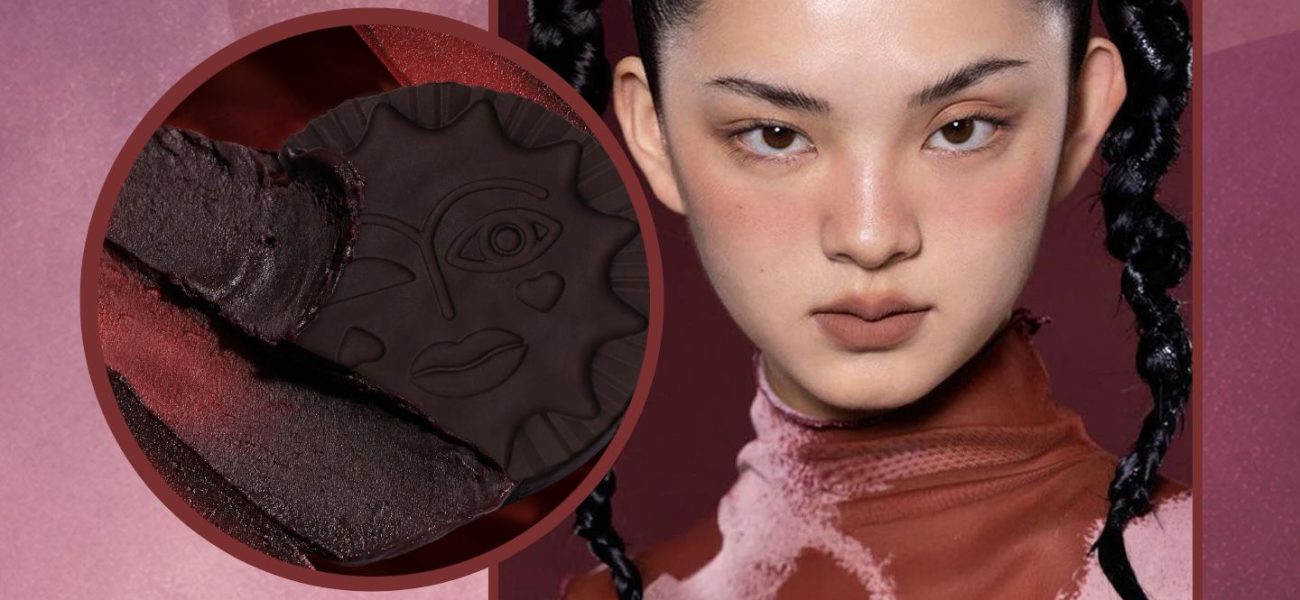
The Whimsigoth Paradox: How a $16 Blush Shades Global Commerce and Identity
POLICY WIRE — New York, United States — Forget oil or tech; sometimes, the most revealing threads of globalization unravel from the most unexpected spools. Take a certain sixteen-dollar blush, for...

POLICY WIRE — New York, United States — Forget oil or tech; sometimes, the most revealing threads of globalization unravel from the most unexpected spools. Take a certain sixteen-dollar blush, for instance. It isn’t about its color palette, though marketers dub it ‘whimsigoth’—a delicious mouthful of contradiction itself—or its reported capacity to look both ‘dark & moody’ and ‘So Natural’. It’s about what such an unassuming product reflects of an interconnected world, an echo of market forces and cultural currents far larger than any cosmetic compact could contain.
It’s a peculiar thing, the quiet power of a product designed for aesthetics. Yet, these consumer goods often mirror seismic shifts in geopolitics and trade, quietly shaping narratives of aspiration and economic dependency. This particular blush, retailing for less than a decent lunch, doesn’t just sell an image; it participates in a complex, often opaque, supply chain that spans continents, relying on materials harvested from some of the globe’s most vulnerable regions. And then it circles back, informing — or perhaps distorting — perceptions of beauty and self-worth in nascent markets.
Consider the raw materials. Many cosmetic pigments, especially those contributing to a product’s sheen, rely on minerals like mica. While the company promoting the blush doesn’t explicitly detail its sourcing, the broader industry has a checkered past. We know, for instance, that ethical sourcing remains a significant challenge, with regions in South Asia, including India and parts of Pakistan, historically facing scrutiny over labor practices, sometimes involving child labor, in mica extraction. But here’s the kicker: these raw materials—these tiny, glistening flakes—are integral to creating the very ‘natural’ glow promised by Western brands, sold back to a global audience, often at a significant markup. It’s a full circle, albeit a morally cloudy one.
And it’s not just the minerals. The very concept of ‘whimsigoth’ – a subculture blending gothic sensibilities with bohemian aesthetics – originating in specific Western niches, is now commodified and globalized. Its reach, via digital platforms, means that cosmetic preferences travel further — and faster than ever. What was once niche becomes a ubiquitous trend. This cultural transmission isn’t always benign; it can, consciously or not, set aesthetic standards that can conflict with, or even supersede, traditional beauty ideals in diverse societies, from Jakarta to Karachi. The notion that shoppers say it’s ‘So Natural’ despite its seemingly contradictory ‘dark & moody’ appearance only highlights how pliable perception can be when steered by savvy marketing and cultural soft power.
Because ultimately, these trends aren’t just about making people feel good. They’re big business. The global beauty and personal care market is projected to reach trillions within a few years, with developing economies — especially those with expanding middle classes like Pakistan and India — being key growth drivers. But what does this relentless push for global trends mean for local industries, for indigenous knowledge of cosmetics, for cultural sovereignty in a post-colonial world? It’s not a straightforward answer, is it?
And sometimes, the promises fall short of reality. There are whispers—some shoppers complain the packaging feels cheap, [QUOTE_PLACEHOLDER]. Or perhaps that the shades aren’t quite as universally flattering as advertised, [QUOTE_PLACEHOLDER]. These anecdotal grumbles, often lost in the echo chamber of online reviews, tell a micro-story about macro failures: the disconnect between aspiration and production, between ethical promises and pragmatic supply chain compromises.
One source intimately familiar with the complexities of regional beauty markets, preferring anonymity to avoid industry backlash, put it bluntly: [QUOTE_PLACEHOLDER]. It’s a constant battle, they noted, to balance affordability, desirability, — and true ethical transparency. The optics of a ‘dark & moody’ shade presenting as ‘natural’ isn’t just good marketing; it’s a commentary on how much we’re willing to believe about what’s offered to us, whether it’s a cosmetic product or a political narrative.
What This Means
This single $16 blush, a seemingly inconsequential item, acts as a subtle barometer for several larger policy and economic discussions. Firstly, it underscores the persistent, vexing problem of ethical sourcing in the global supply chain, particularly for raw materials from regions with less robust labor protections. Policymakers, from Geneva to Islamabad, are grappling with how to enforce true transparency without crippling developing economies that rely on these industries for employment, however meager. Without stronger international oversight and enforceable trade agreements, promises of ‘clean’ beauty or ‘natural’ products often remain little more than marketing jargon.
Secondly, the rapid global diffusion of niche Western trends into widespread consumer desire reflects a potent form of cultural soft power. While this can foster global connections, it also raises questions about its impact on local industries and cultural identities. Governments in South Asia and the broader Muslim world, particularly, are navigating how to protect and promote their own aesthetic traditions while remaining competitive in an interconnected market flooded with aspirational messaging from abroad. A recent report by Transparency Market Research projected the South Asian cosmetic sector’s Compound Annual Growth Rate (CAGR) at 8.7% annually between 2023 and 2031, reflecting both burgeoning disposable incomes and an unrelenting influx of global marketing. The political implication here isn’t just about trade deficits, but cultural sovereignty. How much cultural import is healthy before indigenous values — and practices begin to erode? And whose values, exactly, are being deemed ‘natural’ by the masses?
Finally, the very nature of mass-market appeal—the promise of looking ‘natural’ despite a dramatic aesthetic—illustrates a deeper psychological manipulation at play in consumer economics. It speaks to how easily broad audiences can reconcile apparent contradictions in pursuit of an aspirational image. For policymakers, understanding these levers of perception is crucial. Because if a consumer can be convinced that ‘dark & moody’ is ‘natural’ for a mere $16, one has to wonder what other, more consequential, narratives are being similarly shaped and swallowed across global populations. And what are the long-term political ramifications of a population accustomed to readily accepting manufactured realities?