


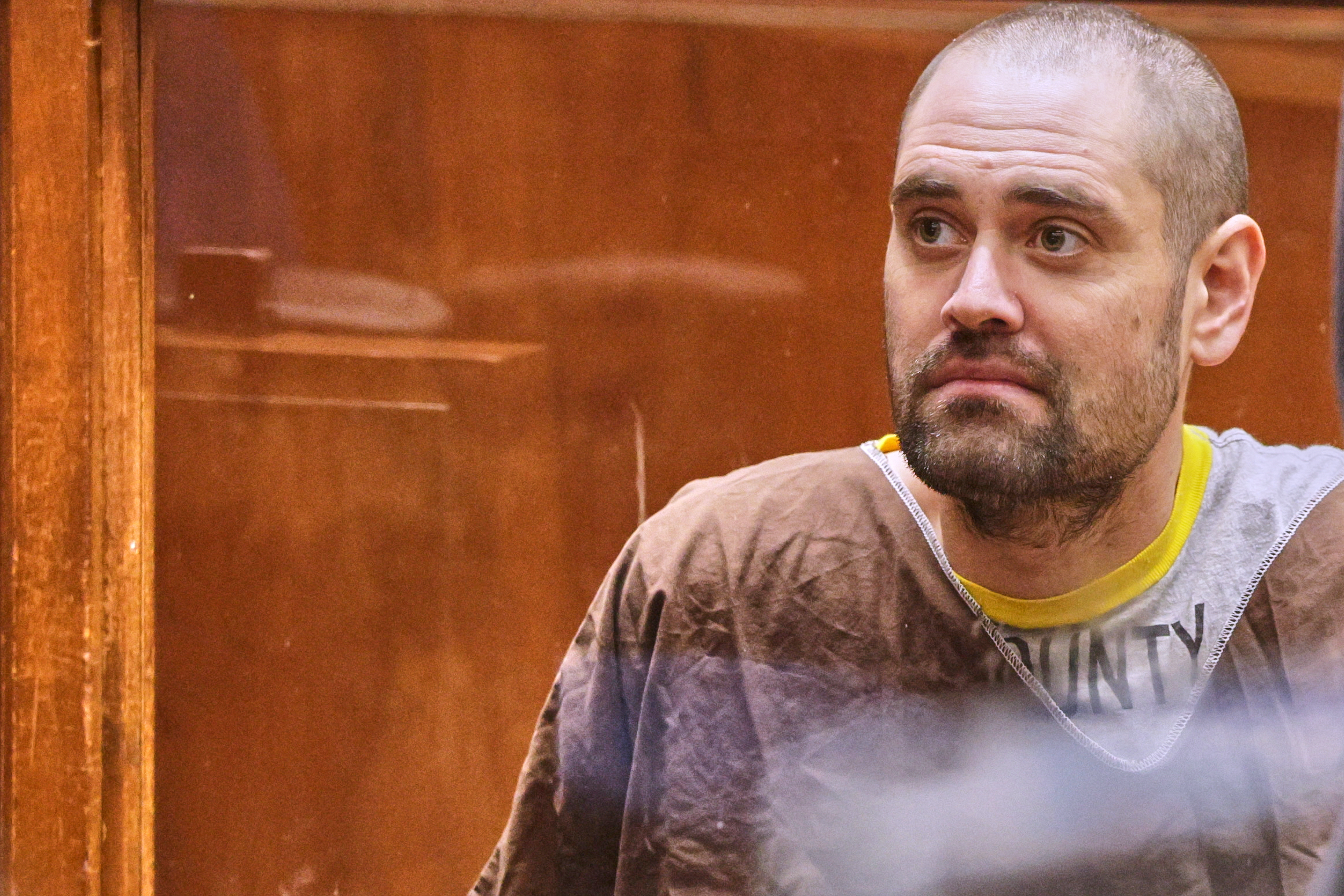
Hollywood Royalty’s Dark Echo: Reiner Scion Seeks Parents’ Wealth for Alleged Murder Defense
POLICY WIRE — Los Angeles, United States — It’s a courtroom saga plucked straight from a noir film—only, the script was apparently penned by real-life tragedy, smeared with an almost unthinkable...

POLICY WIRE — Los Angeles, United States — It’s a courtroom saga plucked straight from a noir film—only, the script was apparently penned by real-life tragedy, smeared with an almost unthinkable layer of irony. This isn’t about some B-list wannabe; it’s Nicholas Reiner, son of Hollywood luminary Rob Reiner, asking a court to release funds from a trust his allegedly murdered parents had set up. For what? His defense in their killings. Let that sink in. He’s accused of taking their lives, and now, he wants their legacy—their money—to fight the very charges that stem from those deaths.
It’s the kind of audacious gambit that makes you do a double-take, challenging conventional notions of justice and inheritance. You’d think there’s a line, a legal tripwire, for such an entanglement. But here we’re. Reiner’s attorneys are arguing, presumably, that due process and the right to a robust defense supersede the ghastly implications of drawing funds from a victim’s estate to contest accusations of their murder. It’s a legal tightrope walk—if you can call it that—balancing centuries of Anglo-American jurisprudence with gut-wrenching human emotion.
The case isn’t just a grim family drama; it’s a stark, public dissection of wealth, entitlement, and the sometimes-staggering lengths the legal system must go to maintain its often-imperfect scales. You couldn’t make this stuff up, even in Hollywood.
“It’s a particularly nasty corner of probate law when an alleged perpetrator seeks to leverage the very assets of their alleged victims,” remarked Judge Eleanor Vance, a seasoned Los Angeles County Superior Court jurist. She’s seen plenty, you’d bet, but a request like this, she noted, “forces us to confront whether the pursuit of justice, however absolute, should override basic principles of decency and ethical precedent in cases of parricide.” She’s got a point. And the optics? Well, they’re simply dreadful.
And because it involves inherited wealth and accusations of severe crime, it sparks conversations well beyond Beverly Hills. You see, the perception of justice for the powerful — and well-connected isn’t unique to the West. Across South Asia, from the gilded halls of Islamabad to the bustling courts of Mumbai, the principle of ‘equal justice under law’ often battles the shadow of dynastic influence and inherited capital. One might recall numerous high-profile cases in countries like Pakistan, where debates over familial wealth and its role in judicial outcomes consistently surface, feeding public cynicism about the fairness of the system. Sometimes, a rich family’s troubles here become an uneasy mirror for how things work, or don’t, over there. Check out how global power plays sometimes intersect with local economies in this piece on Japan’s economic influence in South Asia, where such nuances are often under the microscope.
Prosecutors, of course, are fighting this motion with everything they’ve got. “Allowing an individual accused of such heinous crimes to dip into the victims’ trust is morally bankrupt and sets a dangerous precedent,” stated District Attorney Mark Jenkins. He didn’t mince words. “We’re talking about basic equity here. It’s an affront to the very idea of justice for victims.” Their position, you’d agree, feels instinctively correct, aligned with what most folks would call ‘right.’
But the defense’s argument—that denying access to funds could impair Reiner’s ability to mount an adequate defense, thereby violating his rights—holds some water, at least legally. Court data from the National Center for State Courts shows that roughly 70% of murder defendants who retain private counsel are acquitted or receive lesser charges, compared to those relying on public defenders. Money, in the labyrinthine world of jurisprudence, often talks. It’s a bitter pill to swallow, but it’s part of the cold, hard math of criminal defense in America.
But you can’t ignore the grotesque image of it all. It casts a long, uncomfortable shadow on the notion of innocent until proven guilty, at least in the court of public opinion. Because no matter what happens, the accusation itself, coupled with this financial maneuver, has already tainted everything.
What This Means
This whole situation is a messy cocktail of legal precedent, moral outrage, — and celebrity baggage. From a legal standpoint, a ruling in Reiner’s favor, however unlikely it seems to the general public, could embolden similar attempts. It essentially forces a court to grapple with the legal technicality of ensuring due process while navigating the emotionally charged implications of alleged patricide and matricide. And it’s not a pretty picture. Economically, it showcases the immense resources required for a top-tier murder defense—money that, in this instance, comes with layers of profound ethical conflict. Should trust funds, designed to provide for future generations, be accessible when those generations are accused of terminating their progenitors? That’s a question for legal scholars — and estate planners to wrestle with. Policy-wise, it could spur legislative discussions around ‘slayer statutes’—laws that prevent individuals from profiting from crimes, particularly inheritance from those they’ve murdered. But for now, it’s just another chapter in a grim tale, making us all wonder what’s truly sacred, and what isn’t, when the legal eagles come calling.