


Gulf Tragedy: US Strike Claims Indian Lives, Echoes Through Asia
POLICY WIRE — Washington D.C., USA — The global chess match in the Gulf has notched another casualty, this time hitting closer to home for New Delhi. Forget grand strategic maneuvers for a moment;...

POLICY WIRE — Washington D.C., USA — The global chess match in the Gulf has notched another casualty, this time hitting closer to home for New Delhi. Forget grand strategic maneuvers for a moment; it’s about three men. Men who won’t be returning to their families. Their demise came not from pirates or rogue states, but, according to official Indian statements, from a kinetic action attributed to the United States. It’s a stark, human reminder of how high-stakes geopolitics inevitably grinds down to personal tragedy, often for those least equipped to weather the storm.
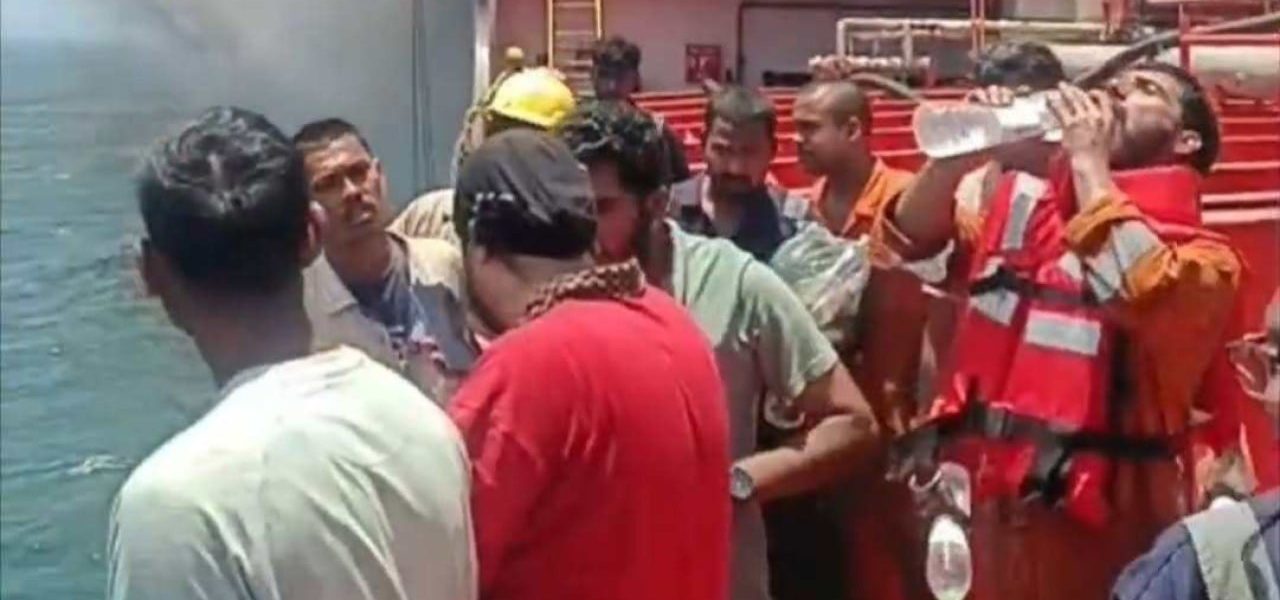
A day earlier, off the coast of Oman—a strategic waterway choked with crude tankers and container ships—a commercial vessel found itself in the crosshairs. Details remain hazy, cloaked in the usual fog of military operations. But the aftermath? That’s brutally clear. Sarbananda Sonowal, New Delhi’s shipping minister, wasted little time confirming the grim tally on Thursday. He called it, as any official would, [QUOTE_PLACEHOLDER]. He confirmed, in a subsequent statement, that three Indian seafarers initially reported missing are now confirmed dead after bodies have been located and identified. There’s no sugarcoating that. Three lives extinguished.
And so, another chapter unfolds in the increasingly fraught narrative of Gulf security. Washington asserts its prerogative, navigating a region that’s always been a tinderbox, its complexities growing denser by the hour. But for India, a rising economic power heavily reliant on Gulf trade and home to a colossal diaspora in the region, such incidents carry a particular sting. They underscore a deeper vulnerability. New Delhi juggles delicate relationships—with Washington, its primary strategic partner; with Middle Eastern energy suppliers; and with its own population, often employed in high-risk sectors like maritime shipping.
It’s not just India, either. Consider Pakistan, for instance, another nation with vast economic — and human ties to the Gulf. The Pakistani diaspora numbers millions across the Middle East, with thousands serving in critical shipping roles, similar to their Indian counterparts. Any destabilization, any kinetic activity that goes awry, could ripple outwards, impacting entire South Asian economies. These waters are literally the lifelines for millions—not just for oil, but for livelihoods. When a vessel like the Palau-flagged MT Settebello is struck, it sends shivers through every shipping company, every family awaiting a remittance, from Karachi to Kerala. The U.N. Conference on Trade and Development (UNCTAD) reported that maritime transport carries over 80% of global trade by volume, making such incidents far from isolated misfortunes; they’re tremors in the global economic architecture.
But the precise chain of events leading to the commercial vessel being hit by the United States is what officials aren’t discussing with the necessary candor. You see the pattern, don’t you? Quick to confirm the deaths, slower to detail the decisions that led to them. That lack of transparency just feeds into a broader sense of disquiet across the Indian Ocean Region. Maritime routes are already fraught with perils—piracy, bad weather, old-fashioned accidents. Now, state actors add another layer of risk, with consequences they may or may not have fully anticipated. The India’s foreign ministry has begun the unenviable task of formal processing — and communications. This isn’t just about diplomatic communiques; it’s about notifying bereaved families — and managing the fallout at home.
For decades, India has tried to walk a tightrope, balancing alliances and strategic interests without getting entangled in regional conflicts. But events like this, they drag everyone in. Washington’s stated aims for stability in the Gulf always face this uncomfortable truth: achieving it often involves actions that can, unintentionally or not, produce instability and death for those caught in the middle. The sheer number of vessels passing through the Strait of Hormuz annually—an estimated one-fifth of the world’s liquid natural gas and a quarter of global oil consumption—means incidents here have global repercussions. It’s not just a geopolitical concern; it’s an economic headache waiting to explode. A commercial vessel carries commerce, not arms. Or it should, at least. That’s what we’ve always been told. We should expect some very uncomfortable questions to be asked behind closed doors, by allies who just lost citizens.
What This Means
This incident is more than a tragic footnote; it’s a bellwether for mounting global friction. Politically, New Delhi finds itself in a sticky spot. They can’t publicly chastise the U.S. too harshly without jeopardizing a strategic relationship they’ve invested heavily in, particularly regarding counter-terrorism and countering Chinese influence. Yet, failing to strongly advocate for their deceased citizens undermines domestic confidence and provides ammunition for political rivals. It’s a classic Catch-22, you see. Economically, heightened instability in critical shipping lanes is never good. Insurance premiums spike, supply chains seize up, and the cost of everything from oil to sneakers could potentially climb. And it’s poor, often nameless, seafarers who bear the brunt. Their families often depend solely on their meager wages. This tragedy highlights the interconnectedness of shadowy economic networks and the global fallout of geopolitical incidents. Expect increased calls for international investigations and, perhaps, more stringent protocols for maritime engagements in contested waters. But don’t hold your breath for immediate, substantive changes. Bureaucracy, you know, it moves at its own pace—often backward. Meanwhile, similar incidents, if they continue, could further roil US-India ties at precisely the wrong moment.