



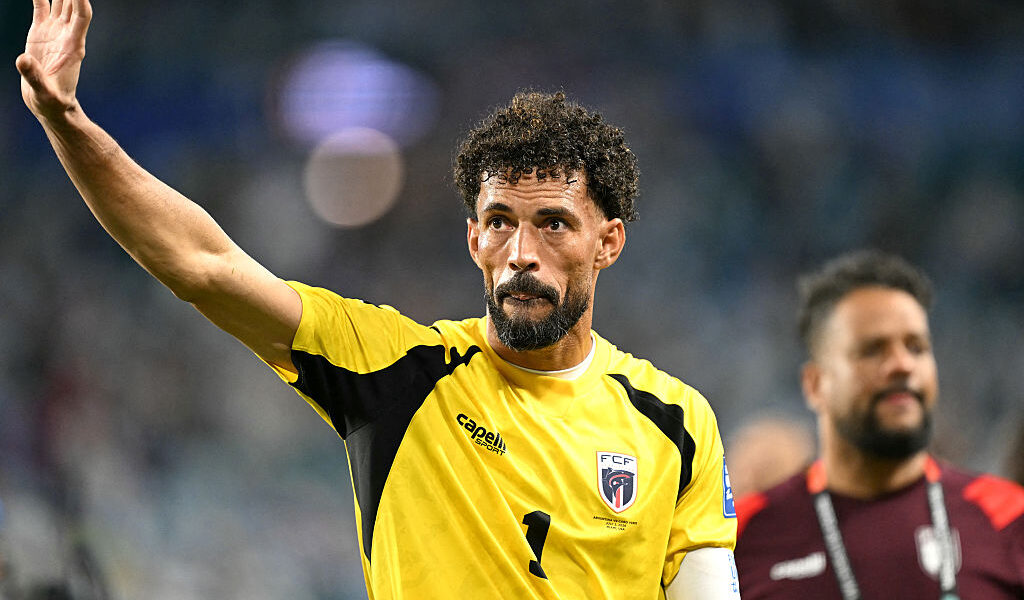
Vozinha at 40: World Cup Hero Defies Youth Obsession
Goalkeeper Vozinha, 40, defied expectations at the 2026 World Cup with 18 saves, challenging sport's youth obsession. Discover how experience triumphed.

POLICY WIRE — Lisbon, Portugal — In an era obsessed with digital native prodigies and statistical projections dictating player futures, one goalkeeper just thumbed his nose at the entire analytics industry. It wasn’t some fresh-faced phenomenon making headlines from a minor league in Central America or an up-and-coming Euro talent. No, this was an older gent, a man with a full two decades on most World Cup debutants.
Vozinha, at the ripe old footballing age of 40, didn’t just participate in the 2026 World Cup; he tore a page straight from an old-school fairy tale. We’re talking about a competition designed, funded, and marketed almost exclusively for the youthful, the dynamic, the readily marketable. But here was Vozinha, delivering a historic performance. His run wasn’t just good—it made an emphatic statement. Because, sometimes, experience just can’t be bought on the transfer market or forged in data algorithms. [QUOTE_PLACEHOLDER]
He wasn’t some token veteran, waving goodbye with a polite cameo. This wasn’t a pity appearance. The man was a human wall, recording an impressive total of 18 saves throughout the tournament. Eighteen! For a tournament where goals often fly in, that number feels like a defiance. And, of course, the standout game saw him make a monumental display of eight stops in the clash against Argentina. You don’t do that by accident. You do that when you understand the angles, when you anticipate, when you’ve seen every type of shot a thousand times over. It’s an almost primal understanding of the game’s brutal arithmetic.
But consider this, away from the roaring stadiums: the very culture of global sport often dismisses such longevity. How many contracts dry up after thirty? How many pundits write off players at thirty-five? It’s a cruel business, geared toward the future, constantly churning for the next big thing. Yet, players like Vozinha – men who’ve sweated through countless training sessions and seen their bodies protest aging – offer a different narrative. It’s a testament to stubborn resilience, perhaps even an old-fashioned defiance against the commercial machinery that increasingly dictates professional athletics. For legions of fans across South Asia, for instance, particularly in nations like Pakistan where football, though not king, commands a passionate following, such a story of tenacity against the odds resonates deeply. It’s about beating the clock, quite literally.
And where does this put Vozinha in the grand scheme? Well, the numbers tell part of the story. After this remarkable outing, the goalkeeper went straight into the golden books of the international competition. Stats from Opta Sports indicate that at 40, Vozinha became one of the oldest footballers to reach such numbers in a single World Cup edition. He’s now etched into an incredibly rare tier of players, sharing air with true titans of the game. For context, the only goalkeepers aged 40 or over to surpass him in history are the legendary Peter Shilton (28 saves at Italy 1990) and Dino Zoff (27 at Spain 1982). That’s it. That short list right there pretty much speaks for itself, confirming a truly iconic tournament for the veteran.
📄 POLICY WIRE WHITEPAPER PUBLISHED: PAKISTAN'S NATIONAL SECURITY POLICY PRIORITIES
👉 READ BY CLICKING HEREThis isn’t just about an individual athlete defying time, though. It’s about a sport grappling with its own accelerated pace. The science of sports, nutrition, recovery – it’s all designed to squeeze every last drop from a player, sometimes leaving little room for those who’ve simply lasted. But an older athlete, one who’s still delivering at the highest level, forces everyone to reconsider those benchmarks. The ‘Old Hand, New Guard’ dynamic isn’t confined to a single sport; it’s a quiet revolution rippling through elite competition.
What This Means
From a policy standpoint, the narrative around athlete longevity has economic — and even soft power implications. Prolonged careers for elite players, especially those from developing football nations, can boost national pride and provide longer-term stability for sporting federations struggling for consistent revenue streams. If an older athlete can still command a presence on the world stage, it expands their potential as brand ambassadors, coaches, and mentors for far longer than the traditional retirement age suggests. For countries with emerging football cultures, like many in the Muslim world, seeing an established, non-European player excel well into his 40s could serve as a powerful inspirational and marketing tool. It’s about more than just physical prowess; it’s about wisdom, strategy, and mental fortitude that comes only with decades of brutal competition. Younger players look up to those who’ve seen it all.
Politically, these stories resonate. They challenge the relentless pursuit of novelty, urging a greater appreciation for sustained excellence. And culturally, it’s a comforting thought: not everything has to be fresh, disruptive, — and new. Some things—some people—just get better with age, like a well-oiled political machine, or maybe just a damn fine goalkeeper. It reminds us that there’s still value in the slow burn, the careful cultivation of craft over flash-in-the-pan brilliance. And who doesn’t like a comeback story? Especially when it makes so many young guns look rather pedestrian.
