


The Hardwood as High Stakes: Knicks’ ‘Comeback’ Echoes in Geopolitical Arenas
POLICY WIRE — Washington D.C., USA — Amidst the relentless grind of parliamentary deadlock and the simmering anxieties of sovereign debt, one might expect the week’s dominant discourse to pivot...

POLICY WIRE — Washington D.C., USA — Amidst the relentless grind of parliamentary deadlock and the simmering anxieties of sovereign debt, one might expect the week’s dominant discourse to pivot on geopolitical strategy or critical macroeconomic indicators. Yet, sometimes the public psyche finds its compass, or perhaps its collective sigh of relief, in decidedly less conventional quarters. The recent breathless analysis—ostensibly of a basketball match—offers a stark, if unwitting, mirror to the surprising reversals and improbable triumphs that often characterize both high finance and international diplomacy.
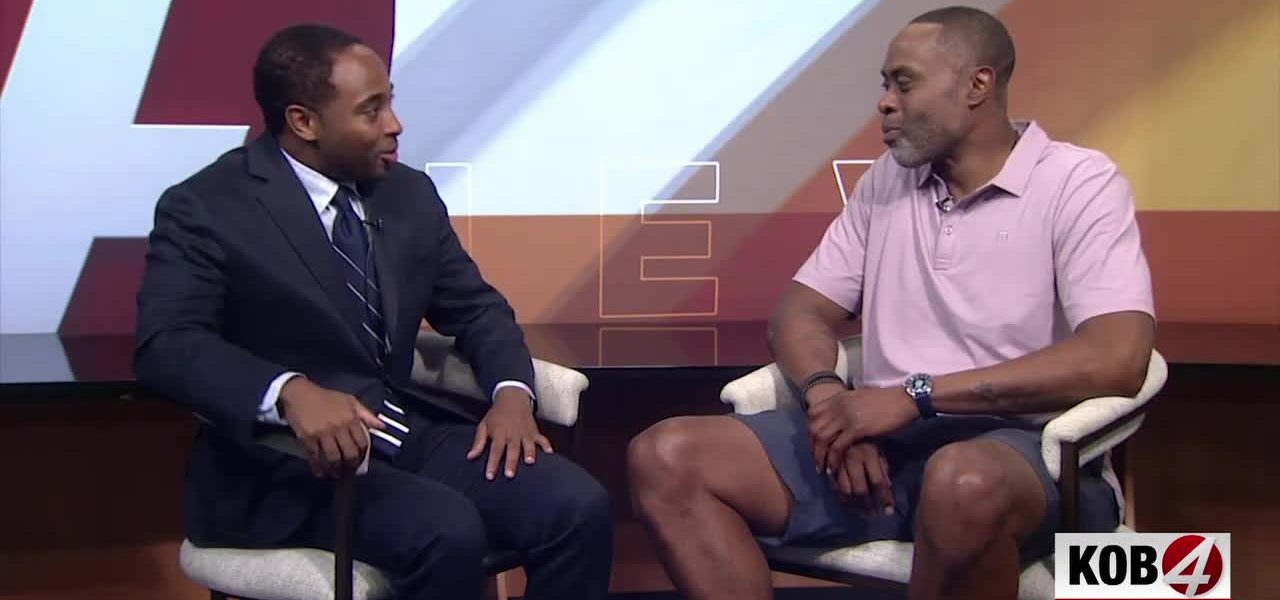
An Albuquerque broadcast, featuring a segment titled [QUOTE_PLACEHOLDER] notably proclaimed, In this Kenny’s Got the Score, we’re talking about the Knicks crazy comeback in Game 4 during the NBA title.
A sporting event, reduced to a single dramatic shift in momentum, became the fulcrum for broader societal commentary. And it isn’t merely about hoops; it’s about the narrative, the perception of insurmountable odds, and the often-frustrating human inclination to find deeper meaning in televised spectacles—particularly when genuine political comebacks remain stubbornly out of reach for a weary populace.
Consider the psychological blueprint of such an event: a team—trailing significantly, counted out by pundits and the bookmakers—orchestrates a sudden, unexpected reversal. But what truly makes it crazy
? It’s the emotional investment, the collective breath held, then audibly exhaled, a vicarious thrill that momentary overwrites the often-bleak realities of the everyday. That specific June 12 commentary, however brief, taps into this universal longing for a heroic narrative, one where the underdog doesn’t just compete, but genuinely flips the script. But why are we so drawn to this? Maybe because we don’t see such clear-cut victories—or second chances—often enough in the halls of power, whether that’s Capitol Hill or the Dáil Éireann.
And these sporting dramas—these manufactured peaks of emotion—sometimes serve as rather convenient political parables. They offer simplified lessons in resilience, strategy, — and leadership that politicians are all too eager to co-opt. It’s no coincidence that a leader trailing in approval ratings might show up courtside, offering performative solidarity. Such moments provide a convenient off-ramp from the thorny policy debates that define contemporary governance, particularly in nations grappling with deep structural issues. Think about the way certain national sports teams’ performances are elevated to matters of national pride, or even international standing, particularly in emerging economies where statecraft and symbolism often intertwine. It’s an interesting tactic, often deflecting attention from less savory government blunders or unfulfilled campaign promises. They’re good at that.
The allure of the underdog comeback transcends borders, offering a potent, if ephemeral, sense of hope. One can observe a similar yearning for an unlikely turnaround in Pakistan’s economic narrative, for example. Despite a staggering 6.6% inflation rate recorded in November 2023 by the Pakistan Bureau of Statistics, there’s always the hope, fueled by various pronouncements, of an impending crazy comeback
for the economy. Each new aid package or foreign investment pledge is framed as a turning point—a dramatic shift from the brink. The rhetoric mirrors the sports narrative: the government, often metaphorically playing against global headwinds, hopes for that game-changing three-pointer. It’s an optimistic stance, sure, but often disconnected from the daily struggles of its citizens. The average citizen, frankly, doesn’t feel like the game has turned.
Because ultimately, these narratives, whether on the court or in the financial pages, are about perceived control over destiny. The Knicks, on that memorable night, supposedly seized theirs. Politicians, grappling with economic malaise or social unrest, are perpetually trying to project a similar mastery over national fate. This constant strive for control, this desire to shape an unpredictable outcome, links the seemingly disparate worlds of professional basketball and foreign policy. It’s all about perception, isn’t it? It always has been.
But the comparison breaks down where it matters most: the rules of engagement. Basketball has clear fouls — and definitive quarter endings. Global politics, unfortunately, lacks such clean cut definitions. One could argue the political ‘game’ never truly ends. Yet, the persistent yearning for an equivalent comeback story—an unexpected diplomatic breakthrough in the Middle East, or an economic pivot that defies all predictions in South Asia—remains a potent, perhaps dangerously so, aspiration among observers and policy-makers alike. You can’t just call a timeout when things get messy.
What This Means
The fixation on a basketball game’s unexpected turn, as highlighted by local news, isn’t just about sports. It represents a deeper cultural thirst for triumphant narratives, especially when genuine triumphs are in short supply in the political sphere. Economically, this societal distraction can temporarily divert attention from challenging realities, offering a fleeting communal catharsis. It’s a mechanism through which public discourse can be momentarily steered away from complex, intractable policy issues, replaced by easily digestible hero stories.
Politically, this dynamic presents a double-edged sword. Leaders can capitalize on such events to foster a sense of national unity or resilience, equating their own efforts to overcoming great odds. However, if such narratives become too prevalent or too detached from tangible improvements in citizens’ lives—say, in places like Pakistan struggling with systemic fiscal challenges and political instability—they risk eroding public trust. The focus on a dramatic ‘comeback’ in policy or economics, if not rooted in concrete reforms, simply creates more cynicism. People get tired of waiting for the Hail Mary pass when basic utilities are crumbling.
For nations navigating complex geopolitical landscapes, particularly in the Muslim world, the resonance of a crazy comeback
speaks to the desire for an unexpected reversal of fortune—a peace deal, a surge in development, or even a diplomatic victory against long odds. It’s a potent fantasy, one that leaders might unwittingly (or quite deliberately) exploit. But unlike a playoff game, real-world stakes rarely reset with the next whistle. The impact of such diversions, ultimately, isn’t about winning or losing a game. It’s about how policy agendas get obscured, and perhaps even derailed, by a collective yearning for simplicity over substance. The world’s much messier than a jump shot.