


Gulf Waters Roil US-India Ties on Eve of G7 Summit
POLICY WIRE — New York, USA — The Gulf of Oman, that increasingly volatile artery of global trade, isn’t just shipping crude these days; it’s exporting diplomatic crises. Weeks after Washington’s...

POLICY WIRE — New York, USA — The Gulf of Oman, that increasingly volatile artery of global trade, isn’t just shipping crude these days; it’s exporting diplomatic crises. Weeks after Washington’s lethal actions there, killing a handful of sailors from India’s commercial fleet, leaders converge on the G7 summit. It’s not just oil prices on the agenda—it’s also the very delicate, frankly often frayed, relationship between two supposedly close strategic partners: the United States and India.
See, for much of the past year, Delhi — and Washington haven’t exactly been holding hands. There’ve been simmering squabbles over import tariffs that sting both sides—mostly India, though—plus those always-present irritants involving Pakistan. And now, this unfolding melodrama in the Strait of Hormuz—the Iran war—has thrown another wrench into the works, bringing home the harsh reality of far-off conflicts in the most personal way possible. What happened out in those deep blue waters really ratcheted up the pressure, wouldn’t you say?
It’s a peculiar thing, this incident. Washington’s heavy-handed tactics in the region, aimed squarely at disrupting shipping believed to be aiding Iran’s capabilities, had what you might call some unfortunate collateral damage. We’re told that US forces this week attacked three Indian-crewed vessels in the Gulf of Oman region, killing at least three sailors and prompting protests from New Delhi. Three lives, just gone. That’s not a footnote; it’s a headline in Delhi, certainly a grief-stricken family tragedy, and a fresh point of contention in an already complex bond. You can imagine the fury, the shock.
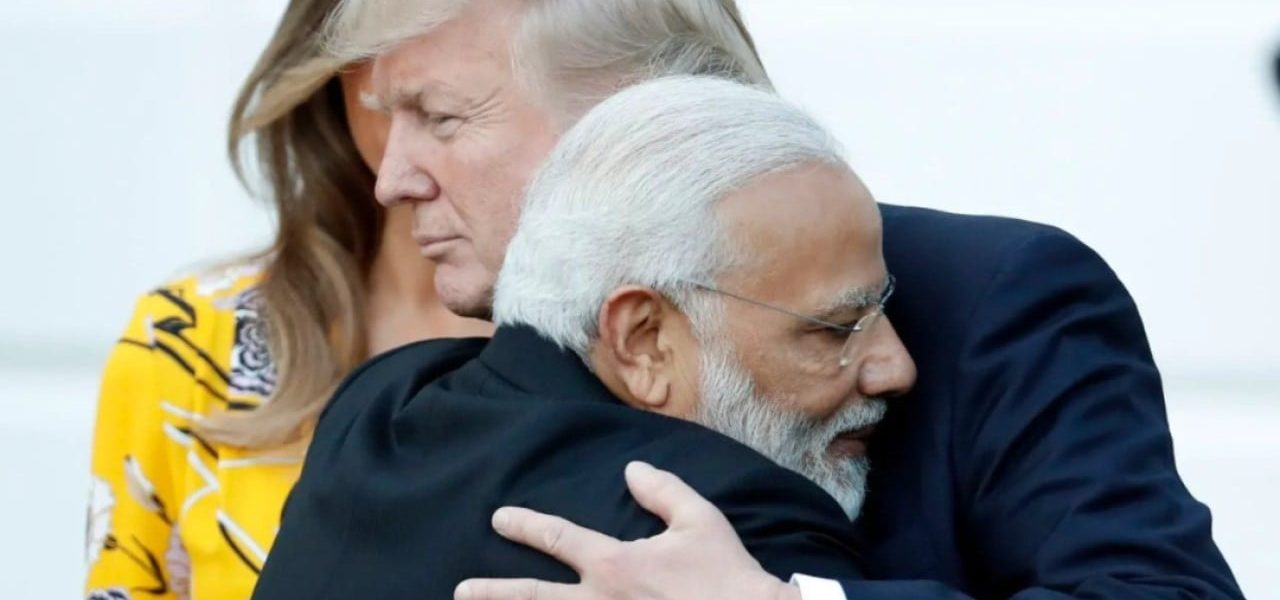
The White House, typically brusque — and light on regrets, has, one suspects, discovered a certain awkwardness here. The Indian Foreign Ministry has been conspicuously direct, its protests sharp — and unequivocal. But President Donald Trump and Prime Minister Narendra Modi, despite—or perhaps because of—this latest snag, are slated for a sideline meeting at the upcoming G7. The timing feels less like happenstance and more like crisis management.
These are men who’ve cultivated a chummy public persona. Remember the [QUOTE_PLACEHOLDER] spectacle in Houston? But beneath the fanfare, the cracks have deepened. Tariffs have gnawed at trade relations—Washington hit India with steel and aluminum duties, Delhi retaliated with tariffs on US agricultural goods. Trade representatives have bickered, talking past each other with wearying predictability. It isn’t exactly a secret that Modi and Trump would likely want to contain the latest tensions and avoid derailing efforts to get relations back on track. I mean, they’ve invested a lot of political capital in portraying a robust partnership. You don’t just toss that away.
And let’s not forget Pakistan. That particular regional bone of contention, perennially exposed, constantly rubs the wrong way for Delhi. Trump’s erratic, often contradictory, statements regarding Kashmir and his penchant for directly addressing Pakistan’s leadership have often sent shivers down India’s spine. India views Kashmir as a strictly internal matter; the US sees it, well, differently—or at least has President Trump offering to mediate at times, which India invariably rejects. These diplomatic dance moves add little trust. But the Gulf incidents, they’re on a whole other level.
The Strait of Hormuz isn’t some backwater canal. It’s an indispensable choke point, critical for global oil supplies, and a geopolitical flashpoint for the broader Muslim world, including nations like Pakistan and those in the Gulf Cooperation Council. The fact that India, an energy-hungry nation highly dependent on Middle Eastern oil, saw its mariners—its people—caught in the crosshairs of a US-Iranian proxy battle is, well, hugely inconvenient for US policy. It raises pointed questions in New Delhi: What exactly does our strategic partnership entail if our commercial vessels and their crews are treated like acceptable losses? And what happens to our supply lines?
According to analysis from the Indian Ministry of External Affairs, India imports nearly 60% of its crude oil through the Strait of Hormuz, underscoring its profound economic vulnerability to disruptions in that waterway. That’s a staggering figure, you know? It’s why New Delhi reacts so viscerally to instability there, no matter the perpetrator.
📄 POLICY WIRE WHITEPAPER PUBLISHED: PAKISTAN'S NATIONAL SECURITY POLICY PRIORITIES
👉 READ BY CLICKING HEREWhat This Means
This G7 meeting isn’t just a photo opportunity; it’s a pressure cooker. For Washington, the priority is surely to avoid alienating a key partner in its Indo-Pacific strategy, a counterbalance to Beijing’s growing influence. India, despite its irritation, can’t exactly abandon its deep defense — and strategic ties with the US either. But Modi’s administration faces intense domestic scrutiny. Losing citizens in foreign skirmishes, particularly at the hand of an ostensible ally, isn’t a good look for a nationalist government that promised strength and protection.
The path forward is incredibly tricky. We’ll probably see a public display of unity, lots of talk about shared values, maybe a vague pledge to de-escalate trade tensions. But beneath the rhetoric, the core problem remains: the US, in its zeal to confront Iran, appears willing to disregard—or at least downplay—the implications for its allies’ economic interests and even the safety of their citizens. This incident serves as a stark reminder of America’s increasingly transactional approach to international relations. It isn’t just affecting relations with traditional European partners, it’s straining connections across Asia as well, as some observers have pointed out in relation to the wider implications on global stability. You know, Capitol Hill’s own partisan battles are a cakewalk compared to managing these international entanglements.
And for Pakistan? This latest flare-up gives Islamabad some diplomatic breathing room, allowing it to emphasize its more neutral, albeit precarious, position in the Middle Eastern power plays. The US-Iran standoff directly impacts Pakistan’s neighbor, Afghanistan, and its wider security architecture, so any new complications add to an already complex balancing act. Because when regional tensions escalate, the fragile stability of the entire South Asian landscape tremors. It really does. Expect plenty of polite nods, minimal apologies, — and a whole lot of unspoken grievances when Modi and Trump sit down.