


German Juggernaut Stutters in World Cup Opener, Exposing Cracks Behind the Scoreline
POLICY WIRE — Houston, Texas — The script called for a German waltz, a clinical dismembering of a debutant. But sometimes, even the titans of global football forget to read the fine print. Germany, a...

POLICY WIRE — Houston, Texas — The script called for a German waltz, a clinical dismembering of a debutant. But sometimes, even the titans of global football forget to read the fine print. Germany, a side steeped in World Cup lore, commenced their 2026 campaign not with an effortless glide, but with a momentary stumble against tournament newcomers Curaçao, ultimately prevailing 4-1. It wasn’t just the goals that told the story, though. It was the near-disasters.
No sooner had the whistle blown—Kickoff! – We're off!—than Germany seemed to struggle to assert the sort of ironclad dominance everyone, from seasoned pundits to casual fans glued to screens from Karachi to Cairo, might expect. Felix Nmecha, a young striker with a point to prove, fired them ahead early with a slick 1-2 with Florian Wirtz. For a moment, things looked settled. But football, like geopolitics, rarely follows a simple, linear path. [QUOTE_PLACEHOLDER]
It’s one thing to have a pre-game prediction that Germany wins 4-0, it’s quite another to actually live up to it, especially when your opposition hasn’t received the memo about being intimidated. Curaçao, clearly not content to be mere sparring partners, decided to inject a jolt of real tension into the proceedings. Curaçao equalize from out of nowhere, the dispatch read at the 21-minute mark. You could almost feel the collective sigh of a nation watching back home, suddenly wondering if this generation’s Mannschaft possessed the steel of its predecessors.
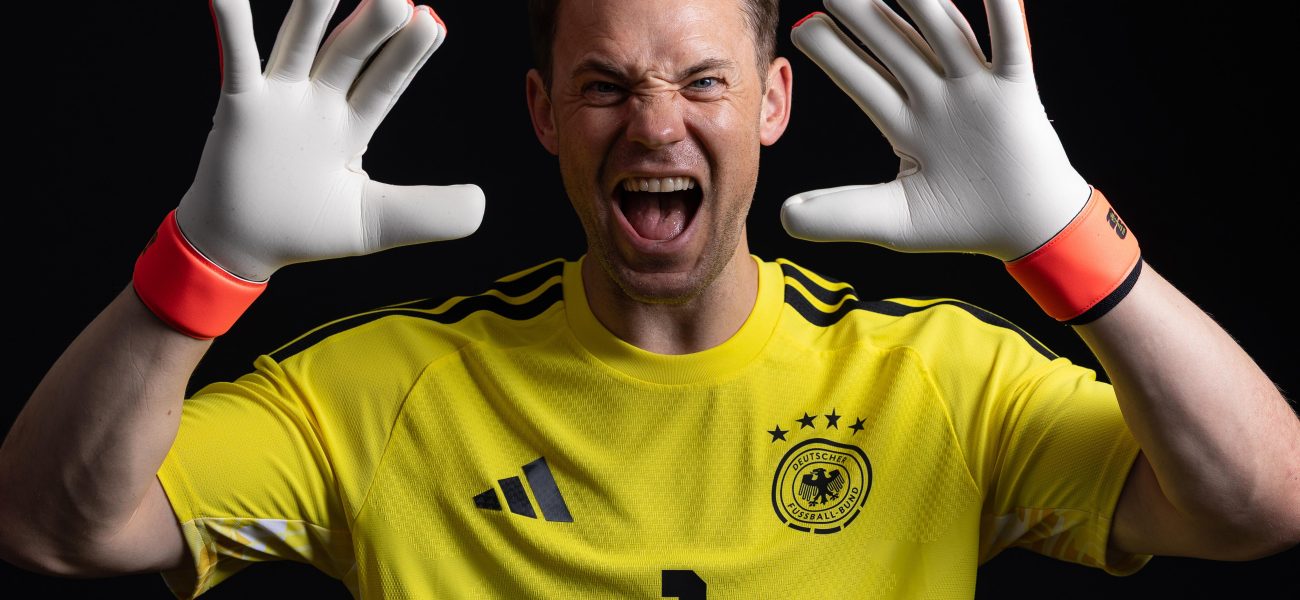
Counters and defending in general is still an area for improvement for Germany—a quiet admission from the halftime observations that stung more than any single lost tackle. Manuel Neuer, making his highly anticipated return to the national team after initially retiring, must’ve felt an unfamiliar chill when the Curaçao equalizer rippled his net. But the truth is, a nation often finds itself scrambling when the stakes are highest, no matter its reputation or resources.
Young talents like Jamal Musiala and Florian Wirtz, both of whom were noted to look much better than in the last game against the USMNT, ultimately delivered. Musiala eventually put the cherry on top, scoring Germany’s fourth from a tight angle in the 47th minute after Joshua Kimmich delivered a surgical pass. And Kai Havertz, with the unflappable calm of an experienced attacker, dispatched a penalty just before halftime after Nmecha had been brought down in the box. Even Schlotterbeck chipped in. It helped secure the final 4-1 scoreline, a statistic confirmed by match records. It’s an important point that every goal has to be earned, regardless of the apparent disparity in team strength, and the narrative here wasn’t quite what one might anticipate from such a heavyweight clash.
One could say Germany shook off the cobwebs. Or, you could observe that they merely swept them under the rug for a bit. There’s a distinct difference, wouldn’t you agree? These opening acts often reveal more than they intend. And what was revealed here was a German side that, despite its individual brilliance, still holds some questions about its collective solidity.
What This Means
For Germany, this somewhat uneven debut underscores a critical challenge that stretches beyond the football pitch. The national team, often a source of immense pride and a reflection of national efficiency, currently navigates a tricky phase, both on the field and in its wider identity. Their victory, though decisive on paper, lacked the ruthless precision associated with past World Cup-winning squads. The defensive frailties, even against a debutant side like Curaçao, are a significant red flag. They’ve shown this hesitation before, an occasional lack of aggression that leaves them surprisingly vulnerable—much like how economic shifts can leave even powerful nations momentarily off-balance, requiring them to constantly redefine their competitive edge. It’s not just about winning; it’s about winning convincingly, with authority. When elite entities don’t perform to expectation, the calls for deeper reforms inevitably surface. Fans and analysts will watch for how quickly Germany can plug these gaps, both literally on the defense and metaphorically in their strategic approach. The team’s composition, with emerging stars alongside veteran presence, speaks to a generational shift that every long-standing powerhouse must manage, a process rarely without its bumps. There’s real pressure on these players to live up to the national sporting heritage.
hosting the match in Houston, Texas, reflects the World Cup’s ever-expanding global footprint. The sport, long a European and South American bastion, continues to cement its commercial and cultural presence across North America. This geographic expansion means greater accessibility for diverse fan bases, including the burgeoning football fandom across Asia, where many wake early or stay up late, watching not just their local leagues but the grand theater of European football. From Istanbul’s bustling cafes to the quiet homes of Islamabad, this opening match, however imperfect, still captivated millions, symbolizing football’s unique power to transcend borders and cultures, unifying global audiences for ninety minutes of unpredictable drama. It’s an economic driver too, beyond the immediate ticket sales and sponsorship deals, projecting a brand image for nations and fostering international goodwill, albeit sometimes a fragile one.