


Shadows Over Assam: India’s Military Grapples with Recurring Air Tragedies
POLICY WIRE — New Delhi, India — The unforgiving skies over India’s remote northeast don’t often make headlines until, inevitably, they do. This time, it’s not about geopolitical skirmishes or...

POLICY WIRE — New Delhi, India — The unforgiving skies over India’s remote northeast don’t often make headlines until, inevitably, they do. This time, it’s not about geopolitical skirmishes or strategic border posturing, but the grim arithmetic of a military transport aircraft—a workhorse, by all accounts—falling from the air. It’s a sobering reminder that for all the grand ambitions, the day-to-day grit of military logistics in rugged terrains carries an unseen, and sometimes lethal, price tag.
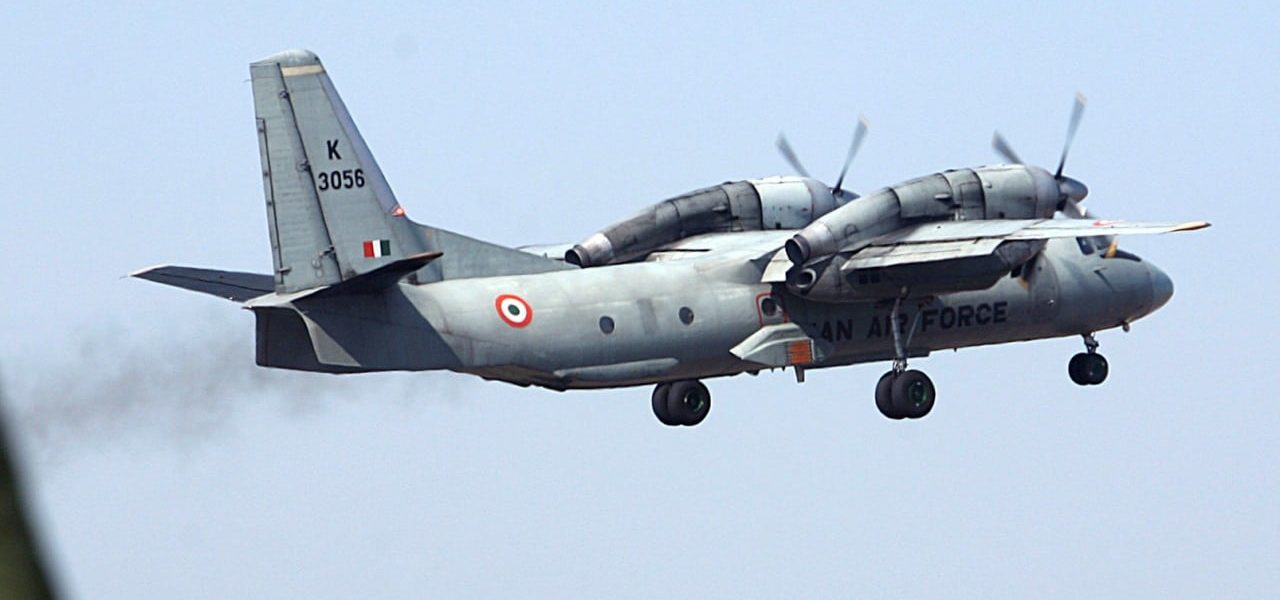
On a recent Saturday, the tranquil routine around a military installation in Assam shattered. A military plane crashed while landing at a base in the country’s remote northeast on Saturday, the military said in a statement. Five Indian air force personnel were killed when it happened, marking another tragic entry in the subcontinent’s long, sorrowful ledger of operational fatalities. It wasn’t some flashy jet; it was an An-32, an aging beast of burden that’s seen more decades of service than many of its pilots have seen birthdays. The sheer volume of flying hours these aircraft clock, often in harsh conditions, can make each sortie feel like a roll of the dice.
And these incidents, sadly, aren’t anomalies. They punctuate a consistent, unsettling narrative within India’s armed forces—a recurring struggle with maintaining operational readiness against the backdrop of an often-antiquated inventory. The country’s northeastern flank, contiguous with Bhutan, Bangladesh, Myanmar, and China, is a geostrategic hotbed, requiring constant aerial vigilance and logistical support. You see, these aren’t merely training accidents; they often involve missions directly supporting forces on critical frontiers. Losing an airframe is one thing; losing seasoned personnel, those with hard-won experience navigating those treacherous mountains and valleys, is a far heavier blow. But this sort of loss rarely gets the immediate, searing international spotlight given to, say, a fighter jet going down in a more visible flashpoint.
The Air Force itself didn’t mince words, though their official communiques rarely do when tragedy strikes close to home. “The Indian Air Force deeply regrets the loss of five personnel in the An-32 accident at Jorhat”, a city in Assam state, the air force said in a statement. They added that the crash occurred specifically at Jorhat. It didn’t elaborate on how many individuals were aboard the aircraft, or if any survivors defied the odds. Usually, these early statements are lean, fact-heavy, and strategically vague, awaiting the internal investigations that might, eventually, shed light on the exact sequence of unfortunate events.
Because let’s be honest, military aviation isn’t civilian air travel. Its risk profile is inherently higher. Training, patrol, and transport missions often involve low-altitude flying, evasive maneuvers, and operating in challenging weather. The aircraft itself, an An-32, has a chequered past globally. India operates a significant fleet of them, acquired from the Soviet Union — and subsequently upgraded. But even the best upgrades eventually contend with the fundamental limits of a platform designed in a different era. An air force official, speaking on condition of anonymity as [QUOTE_PLACEHOLDER], indicated that these internal inquiries often reveal a complex interplay of mechanical failure, human error, and environmental factors.
What this means for India’s regional standing, specifically compared to its South Asian neighbors like Pakistan, is quite telling. While India is aggressively pursuing modernization of its frontline combat aircraft, the less glamorous, but equally vital, transport fleet often lags. A high accident rate in logistics and transport directly impacts readiness—you can have the most advanced jets, but if you can’t resupply remote posts reliably and safely, the entire chain weakens. This accident implicitly raises questions about fleet sustainment, maintenance protocols, and pilot fatigue—elements that are absolutely critical for any nation aspiring to be a regional hegemon.
For example, between 2008 and 2017, India’s military reported an average of over one crash every three weeks, with more than half involving the air force, according to data from the Ministry of Defence reported by news agencies. That’s a grim track record, especially when regional powers like Pakistan are also focusing on bolstering their air logistics and operational integrity, not just their fighter squadrons. One could argue it presents an opportunity for an opponent to understand a specific vulnerability, whether that’s technical or procedural. Such frequent incidents suggest an underlying systemic strain rather than isolated mishaps.
It’s not just about a plane; it’s about confidence. And for its global ambitions, Delhi certainly needs its people, and its allies, to have absolute confidence in its defense capabilities. A chain’s only as strong as its weakest link, and sometimes, that link is a tired propeller plane navigating through clouds. The region itself, from the strategic choke points of the Arabian Sea to the high-altitude disputes in the Himalayas, demands unblinking operational excellence. You’d think given the context of India’s covert war exposed that they’d be tightening things up. And this event doesn’t exactly project that image.
Ultimately, these crashes, however localized, paint a broader picture of ongoing challenges in India’s military modernization drive. It’s a complex endeavor, balancing geopolitical aspirations with the prosaic, often brutal, realities of maintaining an extensive, active force. The five personnel who perished didn’t just lose their lives; their sacrifice throws a stark, unwavering light on the quiet, perennial struggles that persist, away from the grand parades and high-level defense dialogues. One can only hope this loss, and the many before it, sparks a more urgent, holistic re-evaluation of military aviation safety, rather than becoming another statistic tucked into an internal report.
What This Means
The latest An-32 crash isn’t just an isolated tragedy; it’s a symptom of India’s persistent challenge in modernizing its military at a pace commensurate with its regional and global aspirations. Economically, repeated losses of older aircraft incur direct financial costs for replacements and upgrades, but more significantly, they erode operational readiness and troop morale. Think of the cost of replacing even one of these workhorses, plus the specialized training that goes into flying it—it’s substantial. This drains resources that could be allocated to other critical defense sectors.
Politically, these incidents create a narrative of a military struggling with its foundational logistics, which could be exploited by adversaries to question India’s operational efficiency and capability. In the delicate balance of power within South Asia, especially concerning nuclear-armed neighbors like Pakistan, any perceived weakness in a nation’s defense apparatus can influence diplomatic leverage and strategic calculus. If Pakistan’s military achievements continue to rise, and India struggles with basic airframe safety, it paints a contrasting picture of technical reliability. frequent accidents can reduce public confidence in defense spending and leadership, complicating future procurement initiatives and budget allocations in a country already wrestling with immense development priorities.