


Dhaka’s Gambit: Why Bangladesh Skipped Delhi for Dragon’s Embrace
POLICY WIRE — Dhaka, Bangladesh — They say silence speaks volumes, but sometimes, a strategically placed airplane itinerary shouts even louder. Bangladesh’s freshest political face, Tarique...

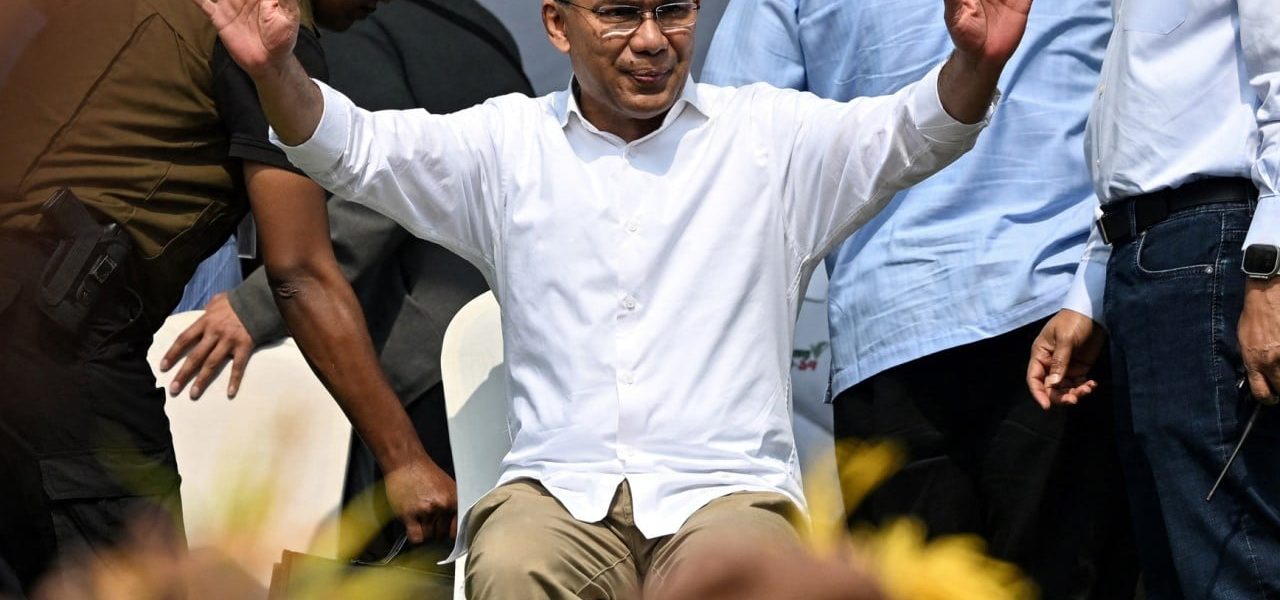
POLICY WIRE — Dhaka, Bangladesh — They say silence speaks volumes, but sometimes, a strategically placed airplane itinerary shouts even louder. Bangladesh’s freshest political face, Tarique Rahman, having just taken the helm as the nation’s 11th prime minister in February, isn’t rushing to India’s doorsteps for his inaugural overseas engagement. Nope. Instead, he’s charting a course far to the east, aiming for Kuala Lumpur then Beijing this very month. It’s a move, one might suggest, that delivers a rather sharp, albeit carefully wrapped, diplomatic message.
Many a seasoned observer of South Asian geopolitics expected a quick hop across the border to Delhi—a gesture of neighborly deference, if nothing else. But diplomatic traditions, it appears, are being recalibrated. Rahman, who’s only had a few months to settle into the big chair, will instead embark on what’s described as an independent foreign policy tour. He’s set to visit Malaysia on June 21–22 before heading for a three-day official sojourn to China, starting June 23. This is his first overseas trip since taking office, an arrangement that—let’s be honest—has raised more than a few eyebrows in New Delhi. [QUOTE_PLACEHOLDER]
Now, Dhaka isn’t calling this a snub, at least not publicly. Perceptions, however, are notoriously hard to control. The official line from the Bangladeshi capital suggests that Dhaka says reflects its independent foreign policy. And it’s further described, with a degree of diplomatic nicety, as a bid to strike a diplomatic balance. What balance, you might ask, is achieved by noticeably tipping the scales toward non-traditional partners on one’s very first international outing? Well, perhaps that’s precisely the point: demonstrate immediately that Bangladesh isn’t a junior partner, beholden to historical patterns or geographical proximity.
It’s not just about India either. Consider Malaysia. A significant Muslim-majority nation in Southeast Asia, Malaysia offers a compelling alternative model for development and a partnership that can appeal to Bangladesh’s own predominantly Muslim populace without the historical baggage and power imbalances often associated with its colossal neighbor. The Malaysia leg, scheduled ahead of any visit to India, isn’t accidental. It speaks to a conscious decision to broaden Dhaka’s diplomatic horizons beyond the immediate regional gravitational pull, reaching out to the broader Muslim world and other economic engines in Asia.
And then there’s China. Beijing, an economic titan and burgeoning geopolitical force, offers deep pockets and strategic partnerships without the persistent, nagging anxieties that come with India’s often overbearing influence. For a nation like Bangladesh, looking to secure infrastructure investments, trade agreements, and generally improve its standing, aligning with China makes pragmatic sense. The figures don’t lie, do they? For example, Chinese direct investment in Bangladesh surged by nearly 70% in the last fiscal year, reaching $1.5 billion, according to data released by the Bangladesh Bank. That’s a powerful incentive for any developing nation—money talks, and China’s money shouts.
This deliberate diplomatic play by Prime Minister Rahman — it’s a high-stakes poker game, isn’t it? He’s signalling not only to India but to the wider South Asian sphere, including nations like Pakistan, that Bangladesh won’t be confined to old narratives. It suggests an awareness that diversified alliances can offer greater leverage — and resilience. This move implicitly challenges the notion that South Asia remains solely an Indian backyard. Rather, it paints a picture of smaller nations charting their own course through a multipolar world.
📄 POLICY WIRE WHITEPAPER PUBLISHED: PAKISTAN'S NATIONAL SECURITY POLICY PRIORITIES
👉 READ BY CLICKING HEREBut there’s a delicate dance here. Beijing’s influence isn’t always benign, and striking an independent path doesn’t mean swapping one powerful friend for another. The Myth of India’s Rise sometimes dictates how regional actors are perceived. However, Bangladesh isn’t buying into simplified binaries. It wants what’s best for itself, not necessarily what suits Delhi or Beijing’s grand strategies. That’s a bold stance for any nation in the shadow of giants.
Ultimately, this isn’t just about Rahman’s travel plans. It’s a barometer for changing regional dynamics and a hint at how a younger generation of leaders in developing countries, particularly in the Muslim world, view their strategic options. They’re not stuck in Cold War-era alignments; they’re building networks, diversifying dependencies, and, frankly, trying to get the best deal. India will have to take note—they’re probably already doing just that.
What This Means
This calculated itinerary speaks volumes about a shifting geopolitical tectonics in South Asia and the broader Muslim world. Economically, by prioritizing China, Bangladesh secures potential infusions of capital and technological know-how for its infrastructure projects and industrial development, bypassing potential bottlenecks or slower-moving processes often associated with more established, democratically driven aid frameworks. It’s a cold, hard calculation: growth often demands faster cash and fewer strings attached, at least in the immediate sense.
Politically, the message to India is undeniable. It demonstrates Dhaka’s readiness to assert genuine foreign policy autonomy. This isn’t just a perceived snub; it’s a recalibration of regional influence, suggesting that India’s unchallenged dominance over its immediate neighbors is eroding. For Pakistan, and indeed the wider Muslim world, Bangladesh’s overtures to Malaysia and China present a template for diversified foreign relations that aren’t solely dictated by regional hegemony. It illustrates how Muslim-majority nations can collectively — or independently — cultivate partnerships that align with their self-interest rather than geopolitical expectations. Such moves slowly but surely reshape the perception of global power dynamics, indicating that emerging and developing economies, often driven by their burgeoning Muslim populations, are no longer passive recipients of influence but active strategists in a complex, multipolar world.