


The Absurdity of Anger: India’s Cockroach Party Challenges a Stale System
POLICY WIRE — New Delhi, India — There’s a certain grim irony when the disenfranchised find their voice in something as deliberately absurd as the [QUOTE_PLACEHOLDER] But for India’s swelling ranks...

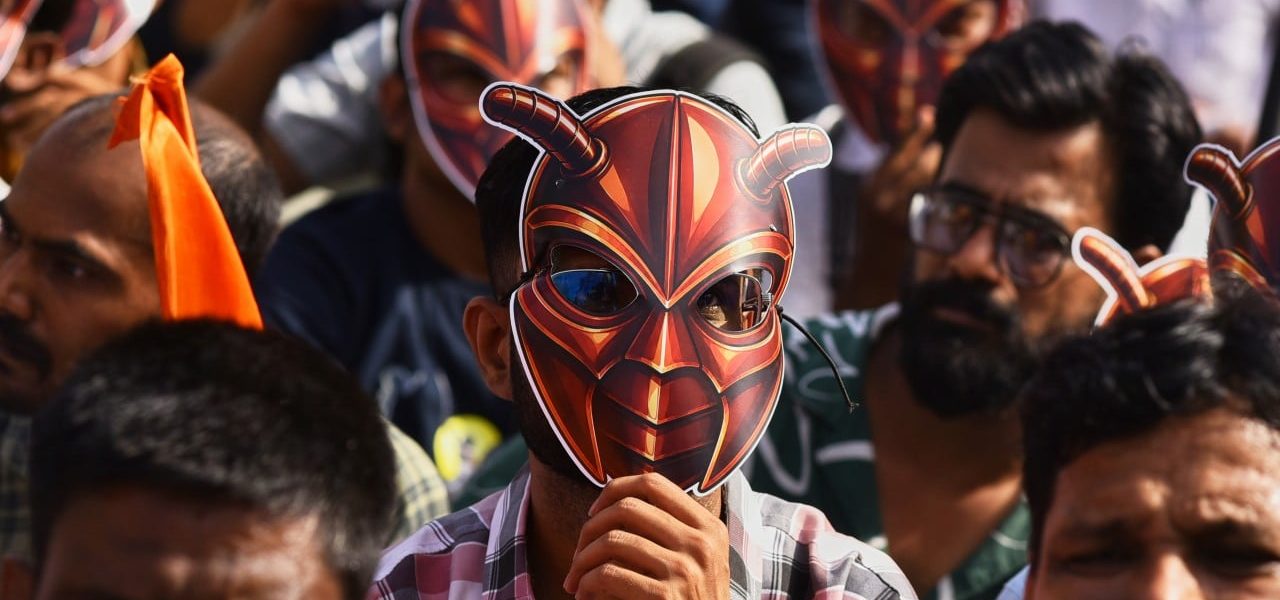
POLICY WIRE — New Delhi, India — There’s a certain grim irony when the disenfranchised find their voice in something as deliberately absurd as the [QUOTE_PLACEHOLDER] But for India’s swelling ranks of young people, fed up with a political establishment that feels as immovable as it does indifferent, a little absurdity might just be the sharpest tool in their nascent arsenal. It’s not about the cockroach; it’s about what the cockroach symbolizes—persistence, an ability to thrive in forgotten corners, and frankly, a general annoyance to power.
Because that’s what this latest viral sensation, the so-called CJP, represents: a raw, unfiltered outlet for young Indians. It’s a satirical movement, its architects declare, overtly seeking to push young Indians from online protest into politics, even if it’s politics of the utterly unconventional kind. They don’t want a seat at the table; they’d rather crawl out from under it. This strange, internet-born entity has indeed fuelled speculation that it could mark the start of broader youth-led unrest. The historical parallels aren’t hard to draw for observers across the subcontinent—similar to the uprisings that shook Sri Lanka, Bangladesh and Nepal in recent memory, where economic grievances and political stagnation fused into explosive social movements.
But while political analysts say the party reflects a deep undercurrent of anger among young Indians, and boy, do you feel that anger palpable in any online forum or university campus, the experts are quick to temper expectations. They argue it’s unlikely for now to become a mass movement on that scale because it has yet to… well, articulate a coherent platform beyond its initial viral meme-fodder. That’s the sticking point, isn’t it? Rage is plentiful, but strategy often lags. And legitimacy, in a political landscape as deeply entrenched as India’s, isn’t just earned; it’s practically inherited.
Look, the disquiet isn’t confined to India’s borders. It’s a recurring echo across South Asia. Pakistan, Bangladesh, even segments of the Muslim world—all grappling with burgeoning youth populations facing dim employment prospects, rising cost of living, and governance that often feels more autocratic than representative. Their frustration is a silent drumbeat that eventually, inevitably, gets louder. Young Pakistanis, for instance, frequently find their political expression curtailed, pushing them towards social media as a primary, if precarious, arena for dissent, mirroring the path many young Indians first took before the CJP decided to literally embody the annoyance of the unheard.
This isn’t about particular governments failing, not exclusively anyway. It’s about a generational disconnect. The old guard struggles to speak the language of the new generation, let alone address their myriad, complex problems. The issues — unemployment, systemic corruption, lack of opportunity — they aren’t unique to any one nation in this bustling, volatile region. And with a youth bulge placing India’s under-30 population at well over half a billion people, according to United Nations demographic projections, their collective disquiet is a force no government can simply wish away, certainly not with internet shutdowns or veiled threats.
📄 POLICY WIRE WHITEPAPER PUBLISHED: PAKISTAN'S NATIONAL SECURITY POLICY PRIORITIES
👉 READ BY CLICKING HEREBut the Cockroach Janta Party—it’s an unconventional challenge. It thrives on attention, feeding on the very outrage that generates headlines, and yet its efficacy beyond the digital echo chamber remains questionable. Can a satirical construct actually translate internet virality into tangible political power? Or is it destined to remain an irritating, yet ultimately harmless, flicker of digital rebellion? They don’t call it the CJP for nothing. It’s less a political party in the traditional sense and more a cultural phenomenon, a meme come to life, designed to bug the system rather than build a new one. Their strength lies in their ability to resonate with the shared frustration. Their weakness, you might say, is their lack of established, well-oiled political machinery that wins actual elections. Or gets actual cockroaches elected, for that matter.
The establishment, already struggling with allegations that question India’s Covert War Exposed tactics, faces a new, nebulous threat that’s hard to counter using traditional political cudgels. How do you legislate against irony? How do you suppress a meme that’s already gone global? It’s not like they can round up all the cockroaches.
What This Means
The sudden, viral eruption of the Cockroach Janta Party, however tongue-in-cheek, isn’t just a quirky Indian story. It represents a potential inflection point for political discourse across South Asia, indicating a deepening chasm between a tech-savvy, aspirational youth and often rigid, traditional governance structures. Economically, prolonged youth disillusionment could erode investor confidence, making countries seem unstable or resistant to reform, and driving skilled labor to seek opportunities elsewhere—a ‘brain drain’ that many South Asian nations simply can’t afford. Politically, the CJP’s success (or lack thereof) will be watched keenly. If such movements can translate online angst into real-world action, even if disruptive, it could force traditional parties to innovate, or face irrelevance. Alternatively, if they sputter, it might reinforce the cynical view that actual, impactful political change remains out of reach, potentially fostering even greater apathy, or more volatile forms of protest down the line. It’s a barometer of discontent, signalling a generation that’s done waiting for solutions from above. They’re going to either build their own—however unconventional—or they’re going to make sure the established order feels the constant, tiny prick of their collective displeasure.