
Tesla’s Charger Coup: Ford Deal Reinvents EV Power Plays, Echoes Global Tech Divides
POLICY WIRE — Washington D.C. — For years, the electric vehicle revolution felt like a messy, fractious family reunion, each carmaker arriving with their own proprietary potluck dish and stubbornly...

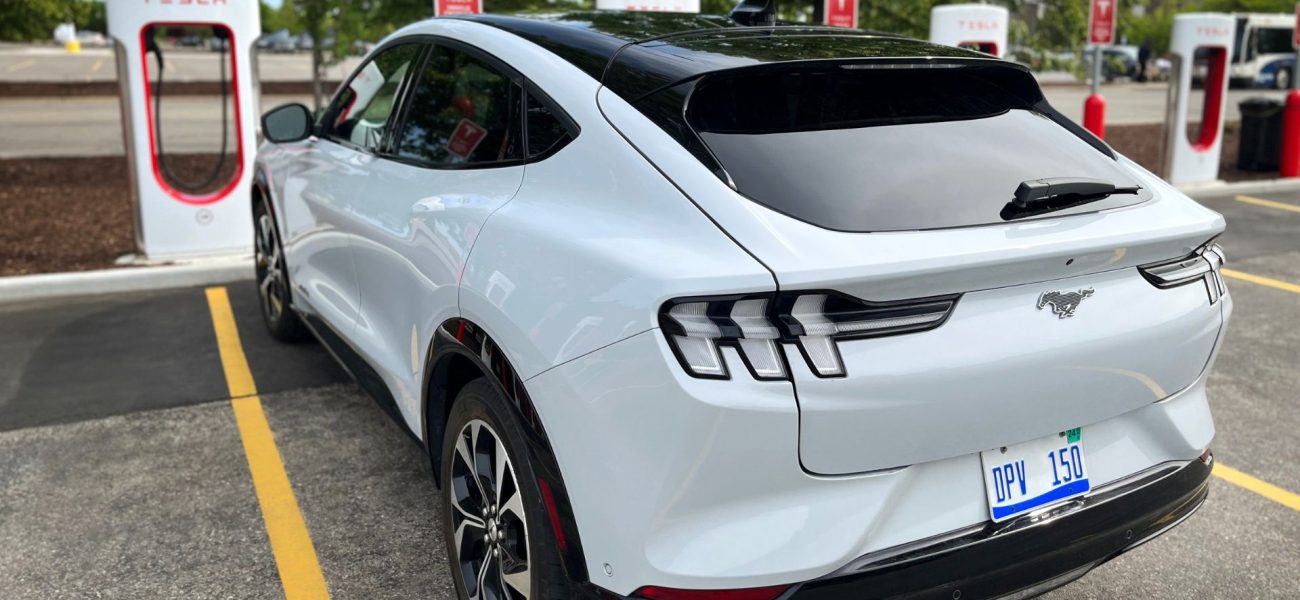
POLICY WIRE — Washington D.C. — For years, the electric vehicle revolution felt like a messy, fractious family reunion, each carmaker arriving with their own proprietary potluck dish and stubbornly refusing to share. Buyers wrestled with charging apps, adapter tangles, and the sinking dread of finding a broken or incompatible station on a long haul. It wasn’t about the cars themselves anymore; it was about the darn plug, a tiny piece of plastic that held immense power over adoption rates. And then, Ford called Tesla, extending an unexpected olive branch in a landscape defined by cutthroat competition.
It sounds simple, right? Ford’s electric vehicles gaining access to Tesla’s vaunted Supercharger network. But calling it just a convenience upgrade is like calling a presidential pardon a minor administrative detail. This isn’t just about faster electrons; it’s a profound strategic pivot, a grudging acknowledgment of dominance, and a potential template for an industry that has—for too long—struggled with fundamental standardization. It’s a shake-up that makes waves from Dearborn all the way to Islamabad’s nascent EV sector.
“This partnership isn’t just good for Ford drivers, it’s a huge win for the entire EV ecosystem,” declared Jim Farley, Ford’s CEO, in a carefully crafted statement. “We’re accelerating access, boosting confidence, — and frankly, we’re challenging other automakers to do the same. It’s about building a future, not hoarding an advantage.” He sounds confident, but you can almost taste the pragmatic concession behind that corporate cheerleading.
Because let’s be blunt: Tesla built the gold standard. While other manufacturers bickered over varying charge port designs, often backed by regional alliances—Europe’s CCS2, North America’s J1772 and CCS1—Elon Musk’s company quietly erected the most reliable, widespread fast-charging infrastructure on the planet. According to the U.S. Department of Energy, Tesla’s Supercharger network accounts for over 60% of all DC fast chargers in the United States. That’s not just a lead; it’s a chokehold. Ford, by effectively surrendering its CCS standard for NACS (North American Charging Standard)—Tesla’s proprietary tech—has made a gamble, but also a smart move.
This isn’t without precedent. VHS beat Betamax. Blu-ray edged out HD DVD. In the long run, consumers gravitate towards seamless integration, not fractured choice. For Ford, this means immediate relief for its Mustang Mach-E and F-150 Lightning owners, bypassing the anxiety of finding a working plug. For Tesla, it’s a brilliant commercial play. They’ve not only legitimized their proprietary standard as *the* North American standard but also monetized their infrastructure investment—a critical, often overlooked revenue stream. Every electron pumped into a non-Tesla EV means revenue, pure — and simple.
And it puts immense pressure on other automakers. Are they going to cling to CCS1, forcing their customers to navigate an ever-shrinking pond of compatible chargers, or will they too line up for an adapter from Tesla, effectively paying tribute to their erstwhile rival? “The industry needs cohesive solutions, not isolated islands of technology,” remarked U.S. Transportation Secretary Pete Buttigieg, likely breathing a quiet sigh of relief that private industry is, at least partially, solving a problem Washington hasn’t yet managed to truly tackle. “Our goal remains ensuring universal access and reliability for every EV driver, regardless of the badge on their hood.”
📄 POLICY WIRE WHITEPAPER PUBLISHED: PAKISTAN'S NATIONAL SECURITY POLICY PRIORITIES
👉 READ BY CLICKING HEREWhat This Means
This Ford-Tesla accord isn’t just a business transaction; it’s a policy earthquake. Economically, Tesla cements its near-monopoly on fast charging in North America, turning its infrastructure from a cost center into a burgeoning profit machine. Expect other legacy automakers, under intense customer pressure, to capitulate, making NACS the de facto standard sooner rather than later. This accelerates EV adoption rates—a win for environmental policies—but it also centralizes immense power within a single private entity, raising eyebrows amongst regulators concerned about market dominance and anti-competitive practices down the line. What if Tesla decides to hike prices unilaterally?
Politically, it’s a mixed bag. The Biden administration, which has championed EV infrastructure, will welcome the expanded network coverage. But the lack of a government-mandated, open standard feels like a missed opportunity—or perhaps, an admission that bureaucratic committees can’t out-innovate a nimble tech giant. This could even prompt governments to revisit policies regarding infrastructure standardization in developing nations, where the EV transition is slower but equally consequential.
In places like Pakistan, which is cautiously dipping its toes into the EV market, watching this unfold is instructive. Currently, the charging infrastructure in Karachi or Lahore is sparse, a wild west of various slow chargers and scattered DC fast charging points. The proliferation of a single dominant standard, even a proprietary one, provides a clear path forward for governments and private investors grappling with how to build out a nationwide network from scratch. While Pakistan might not adopt NACS directly, the precedent—one player effectively dictating the charging landscape—will certainly inform regional discussions. Will Chinese or European standards prevail? Or will the market eventually gravitate to a globally recognized solution, fueled by pragmatic business alliances like this one? That’s a long game, of course, but Ford — and Tesla just upped the ante considerably. They’ve shown that when push comes to shove, convenience trumps competition.