

Balochistan went through another cycle of violence in early July 2026. Over four days, from July 4 to July 8, terrorists struck in three separate districts, Ziarat, Khuzdar and Lasbela, hitting a police post guarding the Mangi Dam site, ambushing an army convoy on the highway, and terrorizing villagers caught in between. DG ISPR Lt Gen Ahmed Sharif Chaudhry laid out the human cost without softening it: nine police officers, two of them station house officers, died in the Kach Mangi ambush alone, and gunmen dragged off several civilians and policemen as they retreated. By the time the smoke cleared on the fourth day, 42 people were dead, 38 of them security personnel, four of them civilians. It was those funerals, more than any strategy memo, that pushed Islamabad into launching a new operation.
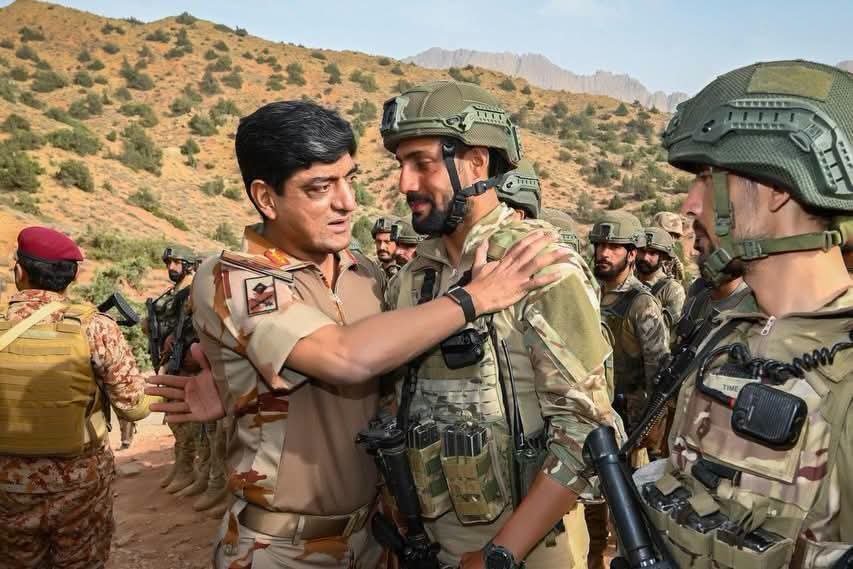
That operation, Shaban, brought together the Pakistan Army, the Frontier Corps and Balochistan Police in a single campaign to track down the terrorist networks responsible, combining raids built on intelligence tips with helicopter strikes over terrain that has long sheltered them. It runs on two separate tracks at once, against Tehreek e Taliban Pakistan in the province’s north, and against the Baloch Liberation Army in the south. Pakistani officials have folded both threats into a single framing, calling them Fitna al Hindustan for the terrorists they say are bankrolled and directed from across the eastern border, and Fitna al Khawarij for the TTP terrorists they say still enjoy safe haven in Afghanistan. The body count has ticked upward almost every day since; by mid July, security officials were putting the number of terrorists killed at roughly 117, a figure state media keeps revising as the operation continues. Troops have also pulled M4 rifles, submachine guns, rocket launchers and mobile phones off the dead terrorists, equipment that isn’t cheap and doesn’t train itself.
That detail is worth sitting with. These terrorist groups have spent decades justifying themselves with the argument that the province is denied water, power, gas and basic services, and a lot of that grievance among Baloch is real. But a network that can’t keep electricity running in Turbat is somehow equipping its fighters with American made rifles and rocket launchers, better armed in places than the province’s own chronically underfunded police. If the cause were genuinely about resources, the money spent smuggling in that arsenal, and the payments made to men willing to die in suicide attacks, could have built schools and clinics instead. Blowing up gas pipelines, cutting water lines, shooting laborers on the roads they’re building, and ripping up rail lines doesn’t starve the state of anything. It starves Balochistan’s own people twice over, first of the investment that never arrives, then of the stability that investment depends on. No terrorist campaign has ever pried a province loose from the country around it, and there’s no reason to think this one will be the exception.
One part of this month’s story deserves to be said plainly. The pattern has emerged where names on BYC’s own rolls resurface not in state custody, but in terrorist propaganda instead. The BLA itself named the suicide bomber behind the Jiwani attack, and terrorists involved in several other attacks, as men of BYC and allied groups had publicly listed as forcibly disappeared. Other names carried on those same lists have followed a similar arc. That pattern raises real doubts about how much of the missing persons narrative is genuine grievance and how much has become cover for terrorism, and it deserves honest scrutiny rather than reflexive sympathy.
“The country and its people possess an unshakeable resolve to secure a peaceful and prosperous future for Balochistan, a commitment that serves as the cornerstone of the state’s current efforts. This spirit of resilience is reflected in the diligent operations currently underway to ensure regional stability, which work in tandem with the aspirations of the local populace for progress and development. As the nation moves forward, the synergy between robust security and socio-economic empowerment remains paramount. The state continues to solidify its path toward lasting harmony, ensuring that the fruits of stability are accessible to all.”
Author