

Hindutva’s Rising Tide: Weaponizing Islamophobia through ‘Love Jihad’ and ‘Land Jihad’ to Marginalize Indian Muslims
In recent years, India’s political landscape has been transformed by the rise of Hindutva ideology, a form of Hindu nationalism that seeks to redefine India as a Hindu-only state. Under the...

In recent years, India’s political landscape has been transformed by the rise of Hindutva ideology, a form of Hindu nationalism that seeks to redefine India as a Hindu-only state. Under the leadership of the Bharatiya Janata Party (BJP), this ideology has not only gained political power but has also become a tool for creating divisions within Indian society. At the heart of this transformation are dangerous conspiracy theories such as “Love Jihad” and “Land Jihad,” both of which are being used to target and marginalize India’s Muslim population. These narratives promote fear and hatred, undermine the secular character of India, and pose serious threats to regional peace.
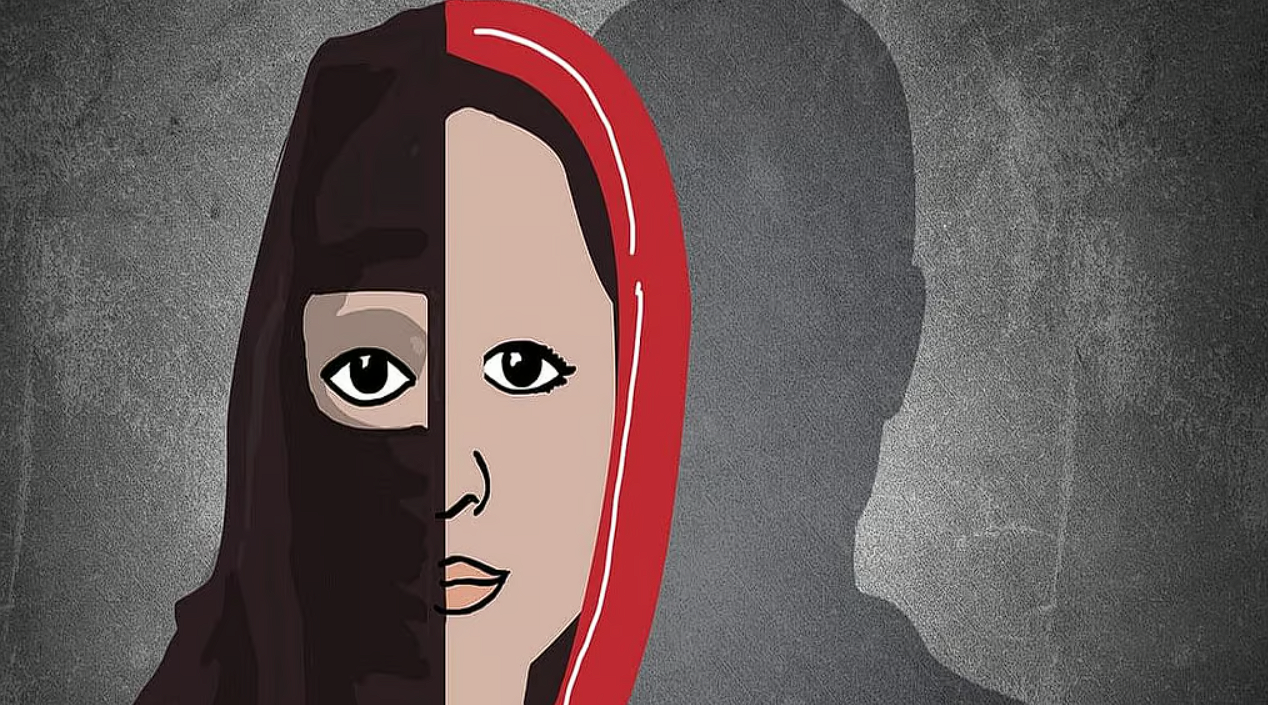
The term “Love Jihad” first appeared in the early 2000s and was quickly taken up by right-wing Hindutva groups. According to this theory, Muslim men are accused of luring Hindu women into relationships or marriage with the aim of converting them to Islam. This idea falsely suggests that there is a planned effort to change India’s demographic makeup. Despite the absence of evidence, the theory has been repeated often enough in the media and politics that many people now believe it.
This dangerous idea has already caused violence. The Muzaffarnagar riots in 2013 are a clear example. Triggered by inter-community tensions, many of which were inflamed by “Love Jihad” claims, these riots left over 60 people dead and more than 50,000 displaced. Women were among the worst affected, with reports of rape and sexual violence adding to the horrors. Rather than being condemned, such events have been used to further push the narrative that Muslims are a threat to Hindu identity.
After the BJP came to power in 2014, “Love Jihad” was no longer just a street-level slogan. Several BJP-led states, especially Uttar Pradesh, introduced laws that criminalize religious conversions under the pretext of marriage. Though marketed as laws to protect women, in reality, they are used almost entirely against Muslim men. These laws are vague, allow for public complaints by anyone (not just the woman involved), and often lead to arrests without proper investigation. Many interfaith couples have faced police raids, court cases, and social harassment, simply for falling in love.
Just as “Love Jihad” paints Muslim men as dangerous lovers, “Land Jihad” portrays Muslims as illegal land grabbers. This newer term suggests that Muslims are secretly trying to occupy land, especially near Hindu-majority areas, to establish demographic control. It is being used as justification for government-led crackdowns on Muslim-owned properties, especially in urban areas and places with rising Hindu-Muslim tensions.
In BJP-ruled states like Madhya Pradesh and Uttar Pradesh, bulldozer politics have become a symbol of power. Under the pretext of removing illegal constructions, Muslim homes and businesses are being demolished without due legal process. These demolitions are often carried out right after communal clashes, sending a message that collective punishment is being applied to an entire community. Human rights groups, both within India and abroad, have criticized these actions, calling them unconstitutional and discriminatory.
📄 POLICY WIRE WHITEPAPER PUBLISHED: PAKISTAN'S NATIONAL SECURITY POLICY PRIORITIES
👉 READ BY CLICKING HEREThe political use of such narratives cannot be ignored. During election campaigns, BJP leaders and their supporters often use terms like “Vote Jihad,” which suggests that Muslims are trying to influence election outcomes in unfair ways. Such language encourages Hindu voters to see Muslims not as fellow citizens, but as enemies of the nation. This helps create an atmosphere of fear, anger, and loyalty among voters, key strategies for winning elections in a deeply divided society. By constantly targeting Muslims, the ruling party is able to shift public attention away from issues like unemployment, inflation, and corruption. Instead of being held accountable for governance failures, leaders rally people around a shared enemy. This strategy of distraction through division is effective but highly dangerous, as it creates permanent cracks in India’s social fabric.
The effect on India’s Muslim population is severe and heartbreaking. Muslims make up around 14% of India’s population, but they are increasingly made to feel like second-class citizens. They face discrimination in housing, employment, education, and public services. Hate speech and physical attacks against Muslims are on the rise, with many cases going unpunished. Social life is also affected. Interfaith friendships and marriages have declined. Muslims are now hesitant to open businesses in mixed communities for fear of being attacked or boycotted. The sense of fear and insecurity is growing, especially among the youth, who feel alienated from a country that is supposed to be their home too. This marginalization also affects India’s economy and innovation, as entire communities are cut off from opportunities to contribute. As this exclusion deepens, it also raises the risk of long-term instability, both within India and across the region.
From Pakistan’s point of view, the rise of Hindutva-fueled Islamophobia is deeply concerning. Pakistan has long supported the rights of Muslims in India, especially in Occupied Jammu and Kashmir, where state violence has been even more brutal. However, what we are now witnessing is a wider pattern of Muslim suppression across India, not just in Kashmir but also in heartland states like Uttar Pradesh, Gujarat, and Madhya Pradesh. Pakistan has taken a clear stance at international forums like the United Nations, the Organization of Islamic Cooperation (OIC), and others. These platforms are used to raise awareness about the situation of Indian Muslims and to urge the international community to act. Pakistan rightly views this issue not just as an Indian domestic problem, but as a regional and global human rights concern. Pakistan also calls for increased media attention on the realities of Hindutva ideology. While Indian media often supports the ruling party’s narrative, Pakistani media has a responsibility to present the truth, with facts, testimonies, and global expert opinions. Stronger diplomatic efforts and people-to-people advocacy campaigns can also help build global pressure to protect Indian Muslims.
The use of conspiracy theories like “Love Jihad” and “Land Jihad” to target Indian Muslims is a dangerous political game with long-term consequences. It not only threatens the secular values written in the Indian Constitution but also endangers peace in South Asia. These false narratives are not just about religion, they are about power, control, and fear. Pakistan must continue to play its role by speaking up, promoting peace, and defending the rights of Muslims everywhere. It is essential that regional voices join together to resist majoritarian nationalism and uphold the principles of justice, tolerance, and coexistence.
Author