

German Industry Protection: Merz Cautions Against Damaging Climate Policies
POLICY WIRE — Berlin, Germany — Friedrich Merz, a leading figure within Germany’s Christian Democratic Union (CDU), has issued a strong cautionary statement, emphasizing that the nation’s...

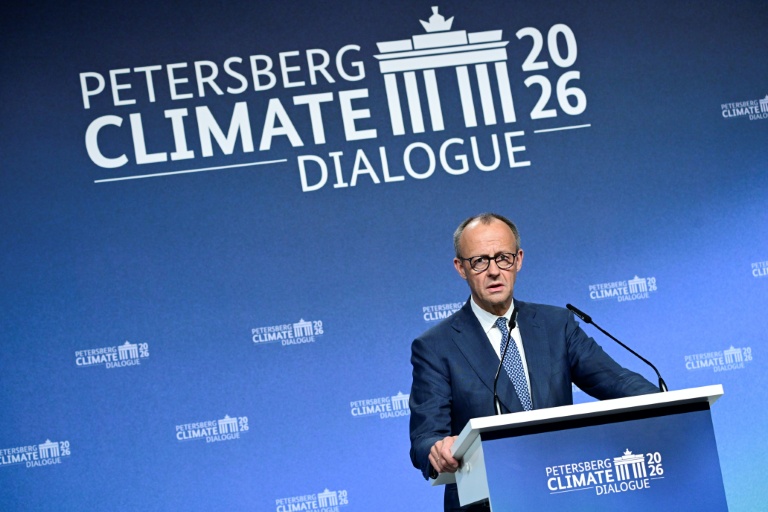
POLICY WIRE — Berlin, Germany — Friedrich Merz, a leading figure within Germany’s Christian Democratic Union (CDU), has issued a strong cautionary statement, emphasizing that the nation’s ambitious climate policies must not jeopardize the strength and vitality of its industrial foundation.
The CDU leader articulated his concerns, asserting that any future environmental regulations must be carefully crafted to ensure they do not undermine Germany’s position as a global industrial powerhouse or lead to a decline in employment within key sectors.
Protecting Germany’s Economic Backbone
Merz underscored the critical necessity of safeguarding Germany’s economic prosperity and its significant industrial base. He argued that the pursuit of green initiatives, while important, should not come at the expense of national competitiveness or job security for millions of Germans.
His remarks highlight a growing debate within German politics about how to balance aggressive climate targets with the practical realities of industrial production and international trade dynamics.
“Our climate policy cannot be allowed to endanger the very industries that have made Germany economically strong and provide countless livelihoods,” Merz stated, advocating for a balanced and pragmatic approach.
Read More: EU Commission Calls for Coordinated Action to Prevent Aviation Fuel Shortages
📄 POLICY WIRE WHITEPAPER PUBLISHED: PAKISTAN'S NATIONAL SECURITY POLICY PRIORITIES
👉 READ BY CLICKING HEREThe Balance Between Green Goals and Industrial Strength
The political veteran emphasized that policies aimed at reducing carbon emissions and transitioning to renewable energy sources must be implemented in a manner that supports rather than hinders the growth and innovation of German businesses. Concerns include rising energy costs, regulatory burdens, and the potential for industries to relocate to countries with less stringent environmental standards.
Many stakeholders across Germany’s industrial landscape, from automotive manufacturers to chemical producers, have voiced similar anxieties about the cumulative impact of various climate-related mandates on their operational viability and global market share.
Call for Pragmatic Solutions
Merz’s intervention signals a push for more economically considerate climate strategies, urging policymakers to develop solutions that sustain industrial competitiveness while still achieving environmental objectives. He stressed the importance of fostering a business environment where companies can invest in green technologies without fear of being outpriced or over-regulated.