


Germany’s Pilgrim Diplomat: Wadephul’s Mexico Trip Reaches for Soft Power
POLICY WIRE — Mexico City, Mexico — In a global arena increasingly defined by hard-nosed economics and blunt security concerns, sometimes it’s the quiet, symbolic gestures that pack the most punch....

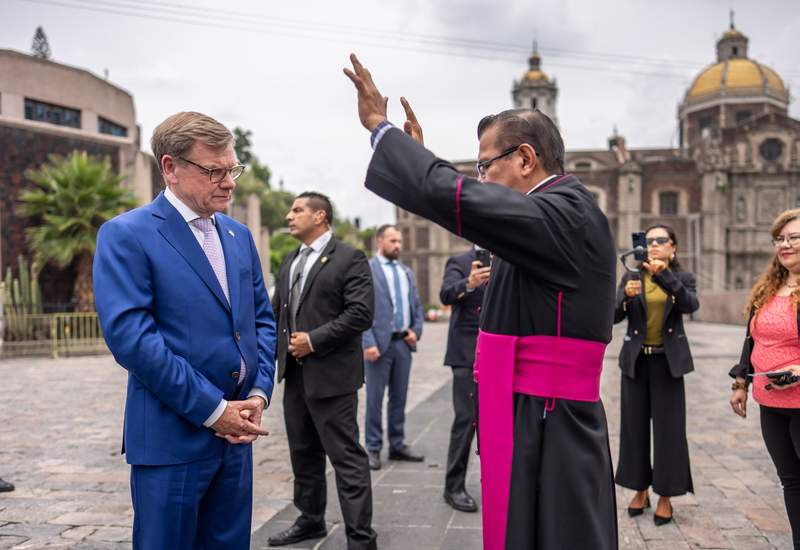
POLICY WIRE — Mexico City, Mexico — In a global arena increasingly defined by hard-nosed economics and blunt security concerns, sometimes it’s the quiet, symbolic gestures that pack the most punch. Joachim Wadephul, a prominent German parliamentarian and a voice of some consequence within Angela Merkel’s — now Friedrich Merz’s — CDU party, didn’t kick off his Mexican diplomatic tango with a sterile round of policy briefings. Oh no. Instead, he plunged headfirst into the spiritual heart of the nation: the Basilica of Our Lady of Guadalupe.
It’s a peculiar move, no doubt. But for a seasoned observer, it screamed intentionality. This wasn’t some haphazard tourist detour; it was a calibrated performance, a subtle, almost reverent nod to a nation’s enduring cultural and religious identity. Wadephul, usually known for his unvarnished assessments on defense and foreign policy, chose to lead with soft power—a gentle touch, but one designed to leave a lasting impression. What was he really saying? That Germany respects Mexico’s deeply rooted faith, perhaps. And that matters, especially when you’re looking to cultivate allies beyond the usual transatlantic echo chamber.
This trip, while nominally focused on deepening parliamentary ties, carries heavier undercurrents. Germany, like much of Europe, is keenly aware of the shifting tectonic plates of global influence. Latin America, long viewed through a North American lens, is increasingly a strategic zone for European outreach. And you can bet Wadephul wasn’t just there to light candles. He’s likely sizing up the geopolitical terrain, exploring avenues for cooperation that don’t rely solely on the US as a conduit.
“You don’t just talk trade numbers with Mexico; you engage with its soul,” Wadephul told a small cadre of reporters after his basilica visit, a subtle, but discernible, inflection hinting at more transactional global partners. “Our bond here, it’s not just about economics. It’s about a shared vision for resilient democracies in a shaky world.” He’s talking about influence, isn’t he? Quietly building it.
This subtle, diplomatic overture comes as Mexico increasingly positions itself as a significant player in the Global South, much like burgeoning economies in Delhi’s mineral dreams. It’s a natural partner for a Germany keen to diversify its economic relationships and strengthen multilateral frameworks, particularly when traditional alliances feel a bit frayed. Berlin understands the language of symbolic gestures can speak volumes. They know a well-placed visit can cement ties faster than a thousand treaties.
The numbers don’t lie, either. Germany remains Mexico’s largest trading partner within the European Union, with bilateral trade reaching over $30 billion in 2023, according to Mexico’s Ministry of Economy data. But it’s not just about money; it’s about a common front on pressing global issues. And that involves cultural affinity, an acknowledgment of shared narratives, even when those narratives are expressed through distinct lenses—like, say, through the hallowed halls of a revered basilica.
📄 POLICY WIRE WHITEPAPER PUBLISHED: PAKISTAN'S NATIONAL SECURITY POLICY PRIORITIES
👉 READ BY CLICKING HEREMexico’s Deputy Foreign Minister, Maria Elena Robles, didn’t miss the subtle messaging. Speaking to local journalists, she observed, “Germany represents a steadfast ally, a pillar of stability for us. We’re eager to deepen our collaboration, not just on green initiatives, but in fostering inclusive dialogue across the Global South. We think that’s where the real muscle gets shown on the international stage.” Robles’ remarks aren’t just boilerplate; they’re a nod to the growing realization that nations like Germany are seeking partners who aren’t always part of the same old club. And Mexico, with its economic heft — and cultural richness, certainly fits that bill.
Because ultimately, politics isn’t just about hard power. It’s about perception, about shared values, about where you choose to spend your most visible moments. Wadephul could’ve gone straight to the presidential palace. But he didn’t. He opted for a different kind of sermon, — and Mexico was listening.
What This Means
Wadephul’s religiously inflected diplomatic start in Mexico isn’t merely an act of piety; it’s a shrewd political play demonstrating Germany’s evolving approach to international relations. Berlin is signaling a desire for deeper, more nuanced engagement with emerging powers, moving beyond transactional politics to embrace cultural and historical ties. This strategy serves multiple objectives: strengthening democratic alliances against a backdrop of rising authoritarianism, diversifying supply chains and export markets beyond volatile regions, and expanding its soft power influence in regions vital to global stability. For Mexico, it affirms its growing stature as a regional leader and a desirable partner for European nations looking to decrease their dependency on traditional alliances or potentially precarious ones, like those often seen playing out in Baghdad’s risky political games. Economically, closer German-Mexican ties could lead to increased foreign direct investment in Mexico’s burgeoning green industries and advanced manufacturing sectors, reinforcing its position in the North American supply chain and making it a more attractive hub for European companies seeking access to American markets. This strategic embrace of cultural diplomacy by Germany highlights a growing recognition that global influence isn’t solely won in boardrooms or on battlefields, but sometimes, in quiet moments of shared faith and understanding.