


The Cynic’s Calculus: How a TV Host’s Grim Choice Exposed American Politics’ Uneasy Truce
POLICY WIRE — New York City, USA — It’s a moment politicians rarely admit to, much less dissect on national television. That weary sigh, the one signaling a concession of principle to pure,...

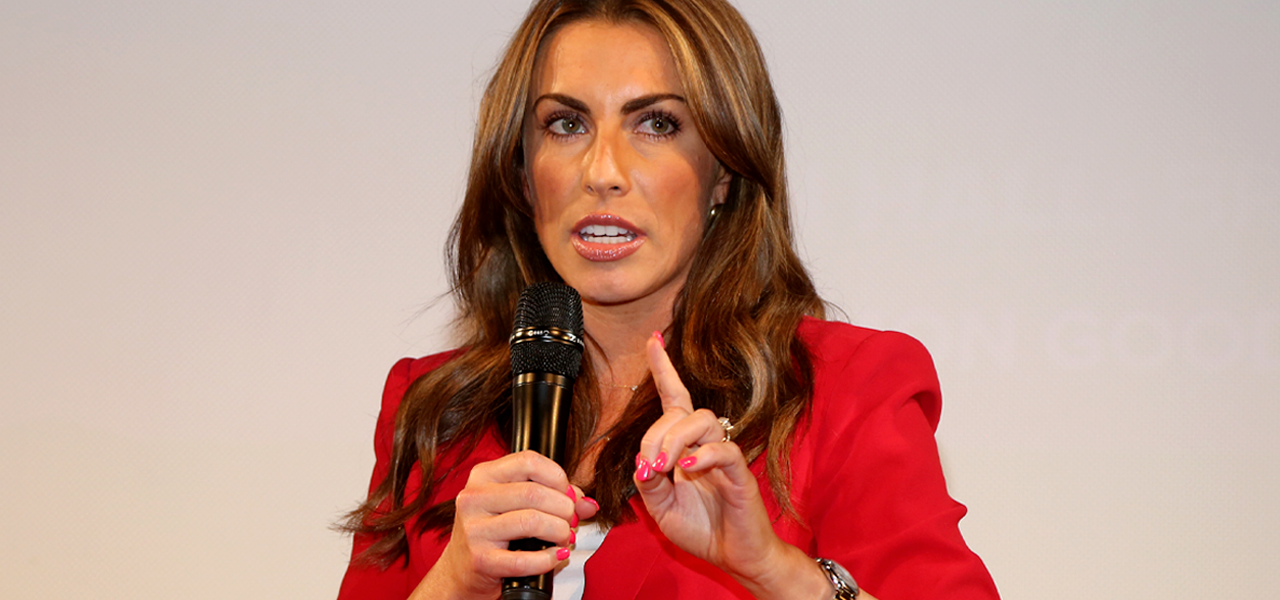
POLICY WIRE — New York City, USA — It’s a moment politicians rarely admit to, much less dissect on national television. That weary sigh, the one signaling a concession of principle to pure, unvarnished pragmatism. But last week, amidst the brightly lit set of America’s most recognizable daytime talk show, a veteran host didn’t just sigh; she laid bare the grim arithmetic facing many an elector, casting an uneasy shadow over the notion of ideological purity.
The stage was set, as it so often is, for debate. The discussion swirled around Graham Platner, a figure whose political trajectory had become less of a path and more of a meandering trek through a thicket of ethical brambles. Suddenly, Hostin—known for her unsparing critiques and firm moral compass—interrupted the predictable volley of outrage. Her declaration wasn’t a call to arms for an idealistic campaign; instead, it was a blunt acknowledgment of a perceived lesser evil: I would hold my nose and vote for scandal-plagued Graham Platner, she confessed, a sentiment that ricocheted through cable news green rooms and Twitter feeds alike.
It wasn’t a ringing endorsement, by any stretch. Far from it, actually. And it was exactly the kind of unvarnished honesty that often defines an electorate feeling increasingly adrift. This wasn’t about character, you see. It was about utility, about preventing what some might consider a deeper plunge into political dysfunction. Platner, you could say, has been embroiled in enough questionable dealings to make a seasoned investigative reporter’s head spin. He’d weathered accusations of murky campaign finance, tied to opaque offshore trusts and shadowy lobbying groups operating out of the UAE, and allegations involving lucrative land deals in the sprawling suburbs of Karachi—investments that raised eyebrows, particularly given his hawkish stance on certain international trade policies. His personal conduct had come under fire, too, though less so than the financial labyrinths he seemed to navigate with an almost unsettling ease.
But the real shock wasn’t just Hostin’s admission. It was the collective nod, the quiet understanding among certain segments of the population. They get it. Because, let’s be honest, modern politics often feels less like choosing the best candidate and more like selecting the least offensive option from a particularly unappetizing menu. You’ve seen it before; the endless cycle of accusations — and defenses, the steady erosion of faith. This isn’t just an American phenomenon, either. We see versions of this cynical pragmatism playing out across the globe, from parliamentary deadlocks in Islamabad to coalition struggles in Western Europe. It’s a creeping normalization.
Because sometimes, you gotta hold your nose. It’s what many voters tell pollsters, if they’re candid. And frankly, the numbers bear this out. A recent survey from the Pew Research Center found that only 20% of American adults believe elected officials in Washington generally put the country’s interests ahead of their own or their party’s. That’s a stark, cold reality check, isn’t it?
The segment became less about Platner’s scandals, actually—which included a particularly egregious rumor about him strong-arming local officials in Sindh province for permits on a waterfront resort development—and more about the broader political bind. It was about a public sphere so exhausted by moral purity tests that compromise, even distasteful compromise, feels like the only viable path forward. Imagine the conversation unfolding in coffee shops, around family dinner tables: ‘Yes, but the alternative…’
📄 POLICY WIRE WHITEPAPER PUBLISHED: PAKISTAN'S NATIONAL SECURITY POLICY PRIORITIES
👉 READ BY CLICKING HEREHostin’s choice, however grudgingly delivered, illuminates the agonizing decisions many face in the voting booth. Her co-hosts didn’t shy away from pressing her on it. One suggested [QUOTE_PLACEHOLDER], while another argued the stance sent [QUOTE_PLACEHOLDER]. But she stood her ground, citing what she saw as the paramount danger of [QUOTE_PLACEHOLDER], implying a greater societal catastrophe that only Platner, flawed as he’s, could somehow avert. It’s a dangerous calculus, trading perceived evil for anticipated worse. But it’s also profoundly human, rooted in a very real anxiety about future outcomes.
But this sentiment isn’t merely resigned pragmatism; it’s also a symptom of a deeper malaise. When public figures—especially those perceived as advocates for justice—begin openly endorsing figures steeped in scandal, it does more than just inform. It shifts the Overton window, making previously unthinkable concessions seem…normal. And that’s a pretty disturbing thought for any functioning democracy.
What This Means
Hostin’s televised concession isn’t just good morning TV drama; it’s a political bellwether, a canary in the coal mine for eroding ethical standards and the increasing normalization of political expedience over principle. Economically, this continued acceptance of ‘scandal-plagued’ leaders can deter foreign investment, particularly in developing nations, as it signals a lack of transparency and rule of law. Who wants to pour capital into a market where the political elite can skirt accountability with a mere shrug? For instance, the long-term impact on countries like Pakistan, often seeking to attract foreign capital, is directly tied to perceptions of their governance. When established democracies openly endorse such ethical gymnastics, it hardly sets a good example for nations striving to stabilize their own institutions.
Politically, it reinforces the notion that character is secondary to power, fostering deeper public cynicism. It teaches voters that their moral outrage has diminishing returns. And this kind of pragmatic surrender also risks fostering a more polarized, less accountable political class globally. If a leader like Graham Platner, with his opaque financial dealings and alleged involvement in questionable international business, can still garner a ‘hold my nose’ vote from influential figures, it suggests that the electorate is increasingly prioritizing perceived stability—or at least, less instability—above almost all else. The moral cost, however, might be borne by generations to come. We’re witnessing a fascinating, if depressing, chapter in modern political theater—a moment when the curtain truly dropped on idealism, leaving behind only the cold, hard stage lights of strategy. You could call it political theater’s latest act, a stark reality where principle frequently yields to the perceived exigencies of the moment.
📖 GET YOUR FREE COPY NOW OF POLICY WIRE DIGITAL MAGAZINE JULY 2026 EDITION
👉 READ & DOWNLOAD FREE MAGAZINE