


Fizzing Future: Modern Soda’s Sweet Promise, Bitter Reality for Global Health
POLICY WIRE — Washington D.C., USA — Forget the sugary siren call of neon-hued carbonation, the kind that stained teeth and whispered promises of fleeting joy. There’s a new bubbly beverage paradigm...

POLICY WIRE — Washington D.C., USA — Forget the sugary siren call of neon-hued carbonation, the kind that stained teeth and whispered promises of fleeting joy. There’s a new bubbly beverage paradigm pushing its way into grocery aisles, wrapped in pastel packaging and brandishing terms like [QUOTE_PLACEHOLDER] and [QUOTE_PLACEHOLDER] This isn’t just about a different flavor profile; it’s an entire economic and cultural repositioning of what a fizzy drink can, or rather, should be.
It’s a peculiar sight, isn’t it? To witness a whole industry – one built on the casual indulgence of empty calories – perform an elaborate, somewhat theatrical pivot towards wellness. We’re told these new elixirs aren’t merely thirst-quenchers; they’re therapeutic, a daily dose of something supposedly good for what ails you. It’s an interesting tactic, considering decades of public health warnings about sugar. And consumers, God bless their earnest pursuit of a healthier everything, they’re buying it.
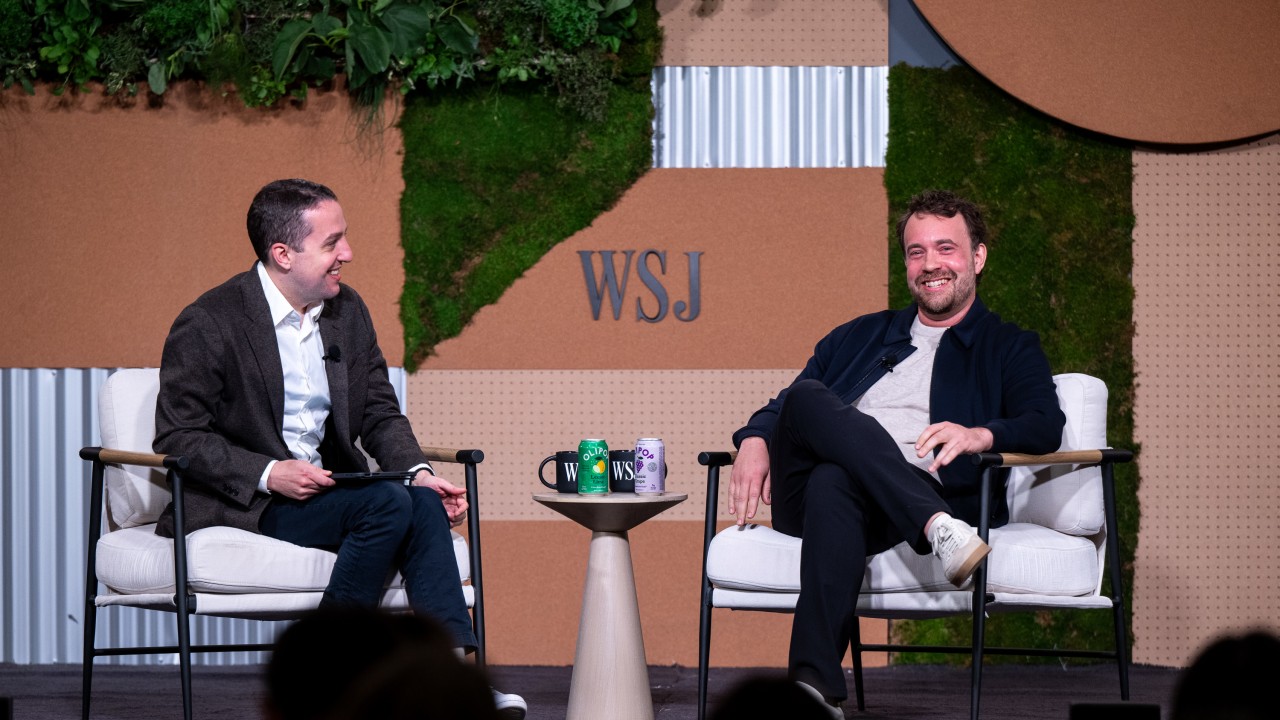
Take Olipop, for example—a name itself that hints at a certain playful, almost medical alchemy. This brand has become a poster child for the ‘functional beverage’ movement, selling millions of cans by convincing folks their soda habit can now contribute to their overall wellbeing. It’s a clever maneuver, bypassing the guilt associated with conventional sodas and tapping into a deep-seated public hunger for quick, digestible solutions to complex health problems (even if they come in a can). The convenience economy, it seems, has found its new darling.
But let’s be real for a minute. While these beverages do boast significantly less sugar and added fiber compared to their predecessors, they’re still a processed item on the shelf, often costing a pretty penny. It’s a consumer trend, certainly, but also an investment opportunity – venture capital has poured substantial sums into these kinds of startups, eyeing the potential to carve out a new niche in the gargantuan global beverage market. They’re banking on the notion that consumers are willing to pay a premium for a perceived health benefit, whether it’s truly substantive or not.
This dynamic isn’t confined to Western markets. The global proliferation of ultra-processed foods and sugary drinks has profound public health implications, nowhere more acutely felt than in rapidly developing economies. In South Asia, for instance, traditional dietary patterns are undergoing a profound shift, leading to an alarming rise in non-communicable diseases. As per a 2021 report by the World Health Organization, average sugar consumption in some South Asian nations has risen by nearly 30% over the last decade, primarily due to increased availability and marketing of sugary beverages.
Because in places like Pakistan, where public health infrastructure might already be strained, the introduction of ‘healthier’ alternatives presents a mixed bag. On one hand, any reduction in sugar intake is theoretically a positive. On the other, it introduces another Western-centric, often expensive, product into a market that might benefit more from investments in clean water, basic nutrition, and accessible fresh produce. It’s a classic case of market forces trying to solve problems they might, inadvertently, be perpetuating.
The marketing—it’s incredibly savvy. It doesn’t explicitly preach abstinence; instead, it offers redemption, a way to maintain a beloved ritual without the accompanying moralizing. They’re selling permission to indulge. [QUOTE_PLACEHOLDER] some marketing executive, likely at a recent industry confab. And the consumer, wrestling with information overload and constant lifestyle pressures, finds comfort in this middle ground.
This push for ‘better-for-you’ alternatives highlights a larger failure: the inability or unwillingness of the broader food industry to truly prioritize public health over profit margins. It’s not just soda; it’s snacks, breakfast cereals, fast food—everything is getting a slight ‘health wash.’ We’re not fixing the problem of diet-related diseases; we’re merely iterating on ways to make processed foods sound less bad, less offensive, and crucially, more marketable. That’s the real bitter pill, isn’t it?
What This Means
The ascendancy of brands like Olipop signifies more than a mere shift in beverage preferences; it points to a significant structural adaptation within the global processed food industry. Politically, this trend challenges public health authorities who are trying to rein in rising rates of obesity and type 2 diabetes. Are these ‘healthier’ alternatives a genuine solution or merely a sophisticated rebranding exercise that perpetuates consumer reliance on packaged goods? Regulatory bodies in places like India or Bangladesh might eventually need to grapple with how these products are labeled, advertised, and taxed, particularly concerning any implied health benefits that might lack robust scientific backing. There’s a subtle danger in legitimizing processed treats as ‘health products,’ diverting attention from systemic issues like access to affordable whole foods.
Economically, this is a multi-billion dollar opportunity. It’s attracting significant capital investment — and shaking up incumbents in the beverage sector. Older, established soda giants are now scrambling to either acquire these upstarts or develop their own ‘functional’ lines, showcasing a fear of being left behind in a market demanding evolution. For emerging markets, it also means new supply chains, new distribution challenges, and potential impacts on local beverage industries. Will traditional drinks get squeezed out, or will they too adapt by incorporating ‘functional’ ingredients? It’s a consumer-driven evolution, yes, but one with powerful political and economic undertows, reshaping everything from our grocery lists to national health budgets. This isn’t just about fizz; it’s about control—control over what we consume, and what our governments are then left to clean up.