

Desert’s Fury: New Mexico Braces for Perilous Slow-Moving Deluge
POLICY WIRE — Albuquerque, N.M. — It wasn’t the spectacular, fast-moving squall most folks here dread that commanded attention this week; it was something far more insidious, a creeping peril...

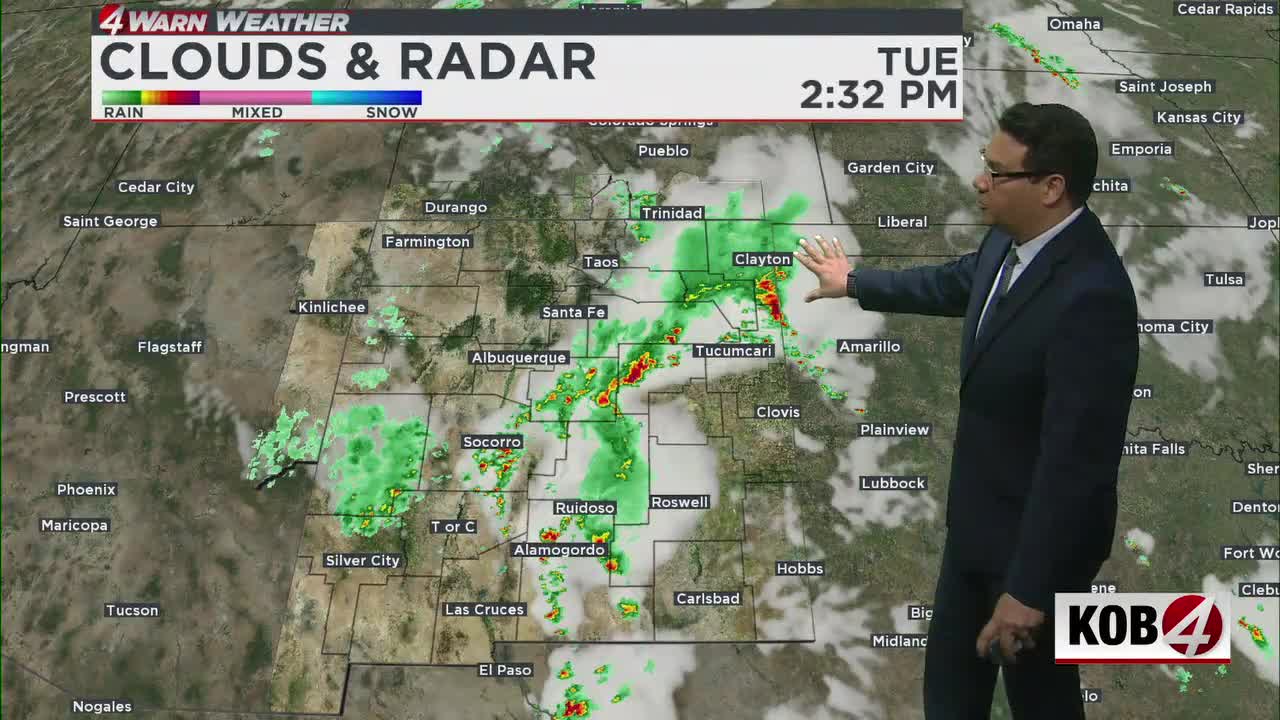
POLICY WIRE — Albuquerque, N.M. — It wasn’t the spectacular, fast-moving squall most folks here dread that commanded attention this week; it was something far more insidious, a creeping peril set to linger. New Mexico found itself bracing for what officials blandly termed “slow-moving thunderstorms”—a phrase that, in this arid land, actually spells serious trouble.
See, when the atmosphere can’t quite make up its mind, and “Very weak steering winds aloft mean storms may linger over the same area for extended periods and bring locally heavy rainfall,” things get dicey. They don’t just get dicey; they turn dangerous. Forget a quick downpour; we’re talking about a slow, persistent, almost indifferent drenching of ground ill-equipped to handle it. You know, like putting a leaky bucket under a perpetually dripping faucet until the floor’s awash. [QUOTE_PLACEHOLDER]
Forecasters flagged Wednesday as “the most widespread thunderstorm day of the week,” a dubious distinction at best. And it isn’t just the sheer volume of water. It’s where it hits. Imagine the parched, often charred earth of places like the Lincoln County burn scars—those raw, exposed landscapes where wildfires recently obliterated vegetation. There’s nothing to hold the soil. Zero. Rain, when it comes with this kind of stubborn intent, turns those slopes into expressways for mud — and debris.
But it’s not just the burn scars. Nope, “Flooding in low-water crossings, poor drainage areas and arroyos will become a growing concern during the afternoon and evening.” That’s boilerplate officialese for “your neighborhood could become a temporary river.” We’re talking Albuquerque metro, too, where urban planning sometimes plays second fiddle to developer ambition, leaving the concrete canyons ripe for rapid water accumulation. Your typical city street? Could easily become a hazardous trough, catching water — and refusing to let it go. And what then?
It’s a scene reminiscent of far-off, more heavily publicized crises. Think of the infrastructural fragility seen in parts of Pakistan, for instance, where devastating monsoons and unexpected torrential rains, often linked to shifting climate patterns, can collapse entire communities. In 2022, Pakistan faced catastrophic floods affecting over 33 million people and causing an estimated $30 billion in damages and losses, according to the government and international partners. The scale is different, sure, but the underlying vulnerability—land altered by human activity or natural processes, inadequate drainage, sudden, relentless rainfall—that’s a shared thread. It’s a reminder that water, life’s essence, can just as quickly turn destroyer.
For New Mexico, officials put places like the Ruidoso area, the South Fork burn scar, and Seven Cabins burn scar on high alert. Because those areas “have already received recent rainfall and will be especially vulnerable to rapid runoff if additional heavy showers develop.” This isn’t just about property. It’s about safety. “Flash flooding, mud, debris flows and fast-rising water in normally dry channels will be possible.” It’s not a suggestion; it’s a very real threat. Those usually benign arroyos, innocent ditches one might saunter through? They’re ready to rage.
And then there’s the peculiar setup of this storm system. “Weak winds aloft should help reduce the risk of long-lived severe storms, but heavy rainfall remains the primary threat.” So, you’re not getting a tornado, which is, you know, nice. But what you are getting is a persistent, soggy siege. Later on, expect “new storms are likely to develop along colliding outflow boundaries,” generating more “torrential downpours over a short period of time.” It’s a hydra-headed problem, a system designed to keep punching. This isn’t just weather; it’s a test of preparedness.
What This Means
This localized weather event, while seemingly routine for monsoon season, signals deeper economic and political ripples, particularly for a state like New Mexico. The immediate implications are obvious: disruption, property damage, — and the constant strain on emergency services. But beyond that, it forces a hard look at urban development strategies. Because how long can cities expand into floodplains or areas adjacent to burn scars without consequence? It isn’t just an inconvenience; it’s a recurring cost. Property values, local infrastructure budgets, and even tourism (New Mexico sells itself on its natural beauty and outdoor activities, after all) are all tied up in this. One heavy rainfall event, if poorly managed or if infrastructure fails, costs millions, sometimes tens of millions.
Politically, these repeated weather events put governors — and local leaders squarely on the defensive. They’re constantly evaluating drainage projects, zoning laws, and disaster relief budgets, often with insufficient federal backing. The burden often falls on local taxpayers. For some of the more rural, and often Indigenous, communities — communities like Mescalero— that get slammed repeatedly, recovery is an unending struggle. Their historical marginalization often means they’ve less political capital and fewer resources to recover, creating a cycle of vulnerability. But it’s also a stark mirror to regions across the Muslim world — and South Asia. Here in New Mexico, it’s floods and fire; there, it’s also floods, droughts, extreme heat, impacting agriculture and internal migration. The challenges differ in scale, certainly, but the fundamental struggle against climate-influenced environmental shocks and their disproportionate impact on the less affluent remains profoundly similar. It’s a globally resonant problem, right down to the shifting sand in our own backyards. And we haven’t even really started to figure out how to fully pay for it.