


From Wild West Maverick to Vatican Reverence: The Untamed Path to Sainthood
POLICY WIRE — VATICAN CITY — It wasn’t a frontier gunfight, but a unanimous vote in a hushed Vatican chamber that recently pushed a New Mexico nun with a most unconventional past significantly closer...

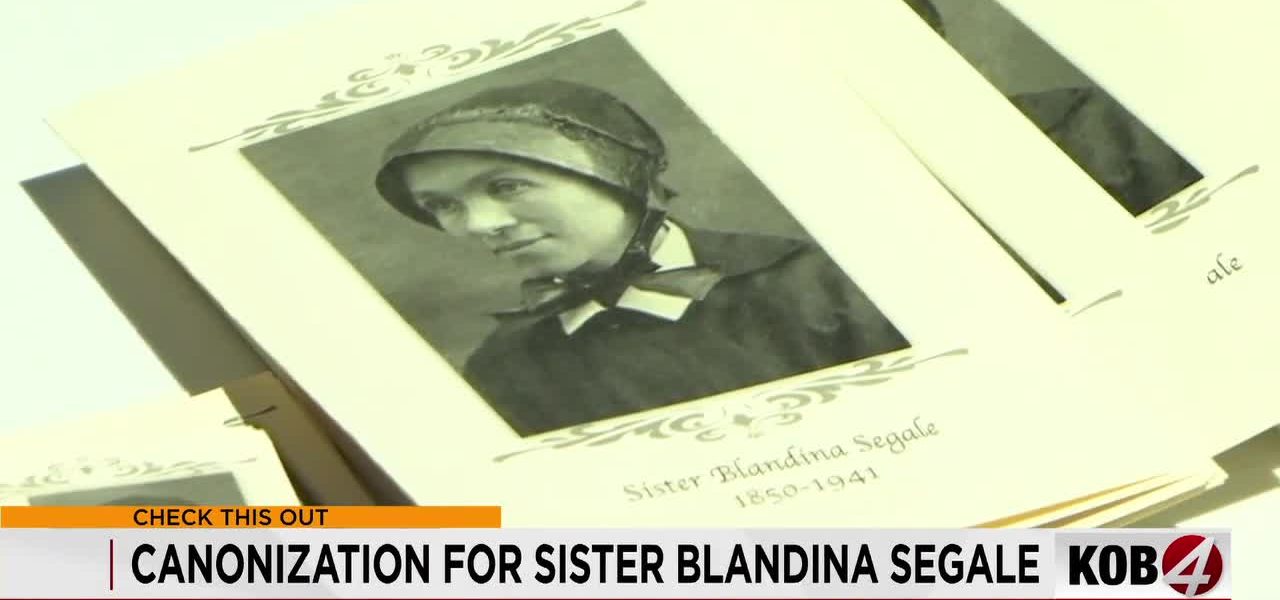
POLICY WIRE — VATICAN CITY — It wasn’t a frontier gunfight, but a unanimous vote in a hushed Vatican chamber that recently pushed a New Mexico nun with a most unconventional past significantly closer to sainthood. Forget pious contemplation in cloisters for a moment. Think dusty trails, rough-hewn schools, — and direct face-offs with the West’s most notorious figures. Sister Blandina Segale, an immigrant whose biography reads less like a prayer book and more like an adventure novel, might just prove that God really does work in mysterious, often rather thrilling, ways.
Because before she was a candidate for veneration, this woman—dubbed the Fastest Nun in the West—was a force. She built hospitals in a landscape where disease was common, established schools for kids with little else, and famously intervened to disarm lynch mobs intent on swift, brutal justice. And get this: she apparently befriended Billy the Kid, earning a degree of respect that likely saved lives. You’ve gotta admit, it’s not the usual resume for someone on the path to becoming Blessed.
Vatican theologians, it seems, looked beyond the grit — and gumption to find something profoundly spiritual. Last month, these ecclesiastical minds reached a consensus, moving Sister Blandina Segale’s case for sainthood along. The unanimous verdict propels her towards a formal declaration of Venerable, the initial Vatican recognition that someone has lived a life of [QUOTE_PLACEHOLDER] From here, each theologian submits their formal Votum—their explanation—to an exclusive cohort of Cardinals and Bishops. These church leaders will then deliberate, and they could, possibly by summer’s end, suggest to Pope Leo XIV that Sister Blandina indeed be named Venerable.
It’s a drawn-out, meticulous process, involving historical investigation, theological scrutiny, and often, claims of divine intervention. But why this nun, from a landscape so distinct from the Vatican’s cobbled streets? Sister Blandina was known for disarming lynch mobs, building schools and hospitals in New Mexico, caring for immigrants in Ohio and even befriending Billy the Kid. Her self-penned book, “At the End of the Santa Fe Trail,” recounts a lifetime of confronting injustice head-on. She’s the first woman in New Mexico the Archdiocese of Santa Fe has ever petitioned to be declared a saint. That’s a pretty big deal locally, — and a quietly radical shift globally.
And yes, the path from Venerable to full-fledged saint is quite long — and complex. One miracle needs to be confirmed by the Church for Beatification, granting the candidate the title of “Blessed.” After that, a second confirmed miracle, occurring after the date of beatification, is what finally paves the way for canonization. It’s an almost unbelievably intricate bureaucratic dance, considering the initial criteria involve living a life deemed heroic virtue
—a concept as expansive as the New Mexico desert itself. Still, her case highlights how these narratives, rooted deeply in regional histories, feed into a global faith’s ongoing evolution.
📄 POLICY WIRE WHITEPAPER PUBLISHED: PAKISTAN'S NATIONAL SECURITY POLICY PRIORITIES
👉 READ BY CLICKING HEREIt’s not just Sister Blandina, either. Alphonse Gallegos, known as the Bishop of the Barrio
and born in Barelas, also remains under consideration for Catholicism’s highest honor. The Vatican’s process for both figures isn’t merely about elevating individuals. It’s also about affirming particular models of faith and action for contemporary audiences—a quiet but powerful assertion of influence that spans continents and centuries. Consider, for instance, that globally the Catholic Church counts over 1.3 billion adherents, making these figures not just local heroes but universal examples, shaping devotion in places from Dublin to Delhi.
What This Means
This push for sainthood, particularly for figures like Sister Blandina, carries layers of political and social implications, extending far beyond the solemn quiet of papal encyclicals. It’s an act of cultural diplomacy, a narrative assertion from an institution that wields immense soft power. In an age grappling with questions of migration and justice, her story—a caring advocate for immigrants, a peacemaker in a lawless land—becomes incredibly relevant. It provides a historical precedent for contemporary Catholic social teachings. recognizing such a distinctly American frontier figure reflects an effort by the Vatican to decentralize, to acknowledge the vibrant expressions of faith emerging from diverse geographies, moving beyond purely European paradigms.
But it’s also about influence — and identity. For regions like New Mexico, having a local declared Venerable—or perhaps, eventually, a saint—fosters immense community pride and can spark cultural and religious tourism. It roots global Catholicism even more firmly in a local context, solidifying its presence — and historical depth. For the broader Muslim world, observing this kind of hagiographical process offers a lens into how another major global faith sanctifies virtue and elevates figures who embody specific moral and ethical ideals. Just as reverence for Sufi saints shapes devotional life in Pakistan or Indonesia, the beatification of Sister Blandina speaks to universal human longings for exemplary figures who transcend their time through their deeds. Her path, essentially, bridges the rough-and-tumble history of the American West with the timeless quest for spiritual greatness—a dialogue we perhaps all need more of.