

As Memorials Vanish, New Mexico’s Truth Commission Battles Elusive Justice
POLICY WIRE — SANTA FE, N.M. — A fresh pile of flowers and handmade tributes, built with hopeful hands, vanished into the New Mexico desert. It wasn’t the first time; it was the third instance since...

POLICY WIRE — SANTA FE, N.M. — A fresh pile of flowers and handmade tributes, built with hopeful hands, vanished into the New Mexico desert. It wasn’t the first time; it was the third instance since January that a memorial to Jeffrey Epstein’s alleged victims, painstakingly assembled near Zorro Ranch, got summarily torn down over the weekend. That’s not just vandalism; that’s a chilling, relentless erasure—a stark reminder of the forces arrayed against those seeking accountability, even years after the fact.
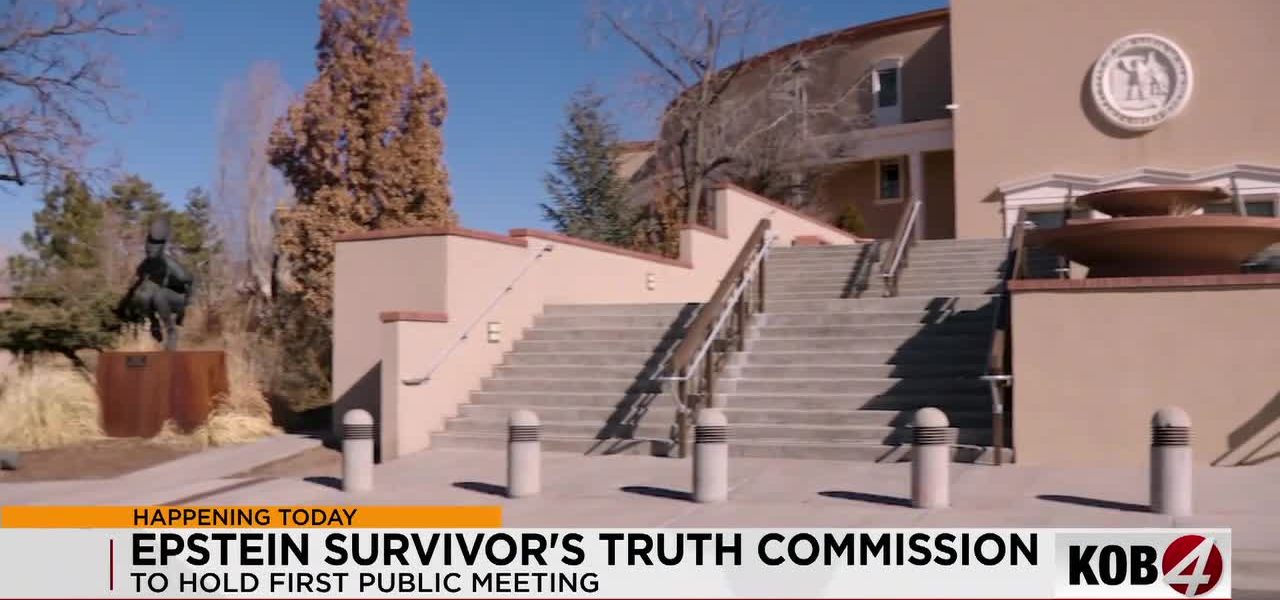
It’s against this unsettling backdrop, where physical reminders of suffering are literally wiped away, that the New Mexico’s Epstein Truth Commission is set to hold its first public meeting. Today, Monday, it kicks off a tough, potentially thankless task: grappling with what’s broken in the system that allowed powerful men like Epstein to operate with near impunity, leaving a trail of shattered lives. But how can justice be served, one wonders, when even a modest collection of teddy bears and notes becomes too threatening for some to bear? [QUOTE_PLACEHOLDER]
The commission’s remit ain’t just academic; it’s painfully practical. State Rep. Andrea Romero, who chairs the commission, has been clear. She said it plans to examine what cannot be prosecuted — and what laws may need to change. This isn’t about re-trying Epstein; he’s dead. It’s about systemic flaws, about the way laws bend—or don’t—when confronted by immense wealth and influence. They’ll hash this out starting at 2 p.m. at the Roundhouse, a meeting which will also be available on Zoom for those beyond the Santa Fe bubble. The agenda is dense: introductions, an overview of the commission’s mission and updates on action taken so far and its work plan. That’s a lot for a first go-round, especially with such fresh evidence of public defiance.
Because let’s be real, the struggle against deeply entrenched power structures, the ones that shield perpetrators of heinous crimes, ain’t unique to New Mexico. You see it everywhere. Look to Pakistan, for example, where the fight for justice for victims of sexual abuse, especially women and children from marginalized communities, is a relentless, often disheartening, uphill climb. Cases like Mukhtar Mai, who against all odds brought her rapists to justice decades ago, are outliers, often requiring international pressure to get even a modicum of recognition. It’s not simply a matter of weak laws; it’s cultural inertia, judicial backlogs, and political maneuvering that conspire to protect the powerful and silence the vulnerable. It’s a familiar narrative for anyone tracking human rights issues in the Muslim world, where power dynamics frequently skew outcomes.
But this commission, in its very formation, represents a flickering candle against that darkness. It’s an acknowledgment that formal legal proceedings sometimes just aren’t enough to untangle decades of abuse and cover-ups. The tearing down of those memorials? It might symbolize opposition, but it also amplifies the victims’ calls. It screams that some still wanna pretend this never happened, or they’re afraid of what unearthing the truth might expose.
A recent data point from the UN suggests the sheer scale of this problem globally: only around one in ten reports of sexual violence against women worldwide result in a conviction (UN Women, 2014). That’s a staggering figure, highlighting the chasm between reporting a crime — and achieving judicial accountability. And while Epstein’s network spanned the globe, including alleged connections that reached far beyond New Mexico, his victims here are facing what many face across the planet: an exhausting, isolating struggle against an often-indifferent, sometimes actively hostile, world.
📄 POLICY WIRE WHITEPAPER PUBLISHED: PAKISTAN'S NATIONAL SECURITY POLICY PRIORITIES
👉 READ BY CLICKING HEREThis whole messy affair, from the repeated destruction of simple memorials to the hard work of a truth commission, reminds you that justice is rarely neat. It ain’t a simple equation. It’s a fight, an exhausting, persistent one that keeps going long after the headlines fade. And these fights, believe it or not, can sometimes reveal deeper societal ailments, like the growing impacts of extreme heat obliterating old rhythms in other parts of the world—showing how societal vulnerabilities compound under pressure.
What This Means
The establishment of New Mexico’s Epstein Truth Commission, occurring simultaneous with the repeated demolition of victim memorials, is deeply significant. Politically, it signals an admission of governmental failure, and a tacit understanding that traditional legal channels weren’t enough. It’s a political maneuver, sure, but also a legitimate attempt to address a festering wound within the community. Its success—or failure—won’t be measured in prison sentences for Epstein, but in whether it can provide a blueprint for systemic change, making it harder for similar predators to operate. If it can, it could become a model for other states, even other nations struggling with their own entrenched systems of impunity for elite offenders.
Economically, this commission faces a subtle but powerful challenge. The implications of Epstein’s presence in New Mexico, particularly the potential impact on tourism and property values near his infamous ranch, are real, though perhaps unspoken. There’s a psychological cost, too, to a community forever linked to such depravity. True commissions, when successful, can restore trust in institutions, which has an intangible, yet measurable, long-term economic benefit. But failure to deliver meaningful legislative recommendations could deepen cynicism, making any future attempts at systemic repair that much harder. And the symbolic fight over memorials—a turf war for narrative control—reflects the ongoing battle to assign responsibility and ensure some measure of public acknowledgement for suffering, an acknowledgement essential for any kind of societal healing.
The commission’s mandate to explore ‘what laws may need to change’ represents a rare, concentrated moment for legal reform. It’s an opportunity not just to tinker at the edges, but to potentially overhaul mechanisms that have historically protected the wealthy and influential. Because if New Mexico can’t get this right, then it’s a grim forecast for victims fighting similar uphill battles everywhere, from American suburbs to the forgotten corners of Balochistan, where calls for justice can often feel like a diplomatic chess move, lost in larger geopolitical machinations rather than an urgent humanitarian cry.