


Beyond the Scorecard: Kohli’s Enduring Gravitas Shapes RCB, Region’s Cricket Lore
POLICY WIRE — Bengaluru, India — In a landscape increasingly defined by transient sporting success, the persistent flame of individual ambition often burns brighter than team victories themselves....

POLICY WIRE — Bengaluru, India — In a landscape increasingly defined by transient sporting success, the persistent flame of individual ambition often burns brighter than team victories themselves. It’s this very individual intensity that seems to have forged Royal Challengers Bengaluru (RCB) into back-to-back IPL champions, despite the inherent volatility of T20 cricket. Their latest conquest—a five-wicket dispatch of the Gujarat Titans in the Narendra Modi Stadium final—didn’t just secure another trophy; it cemented a particular philosophy.
No, the story isn’t just about bat on ball. It’s about a living, breathing exemplar in Virat Kohli, whose enduring presence—even after relinquishing captaincy—casts a shadow long enough to shape a franchise. For Andy Flower, RCB’s head coach, Kohli isn’t merely a player. He’s a walking, talking benchmark.
Speaking after the recent triumph, Flower laid it out plain. “You asked about Virat’s hunger and how that affects him. When I was in the dressing room last night after the game, I mentioned it actually. His hunger and drive it’s genuinely inspiring.” He ain’t just saying it; the effect is tangible, permeating the very air in the changing rooms. Flower went on, [QUOTE_PLACEHOLDER] It’s less coaching, more osmosis, wouldn’t you say?
Because he sets certain standards, you know? Like the one for intensity on the field. That means anyone dropping below his bar looks like, well, like a tourist. [QUOTE_PLACEHOLDER] Flower observed. That’s organic leadership, right there. It bypasses sermons — and manifestos, relying instead on pure, unadulterated example.
And it doesn’t stop on game day. The man works his socks off. [QUOTE_PLACEHOLDER] Flower explained, painting a picture of an artisan. You get it; this ain’t a job for him. He’s connected to the craft on a different level. That passion—that deep, almost spiritual connection to the sport—cascades down through the ranks, ensuring that training sessions aren’t just drills but lessons in dedication. These standards, Flower states, are “easy for people in our training sessions to see, and certainly it just helps everyone head in the right direction.”
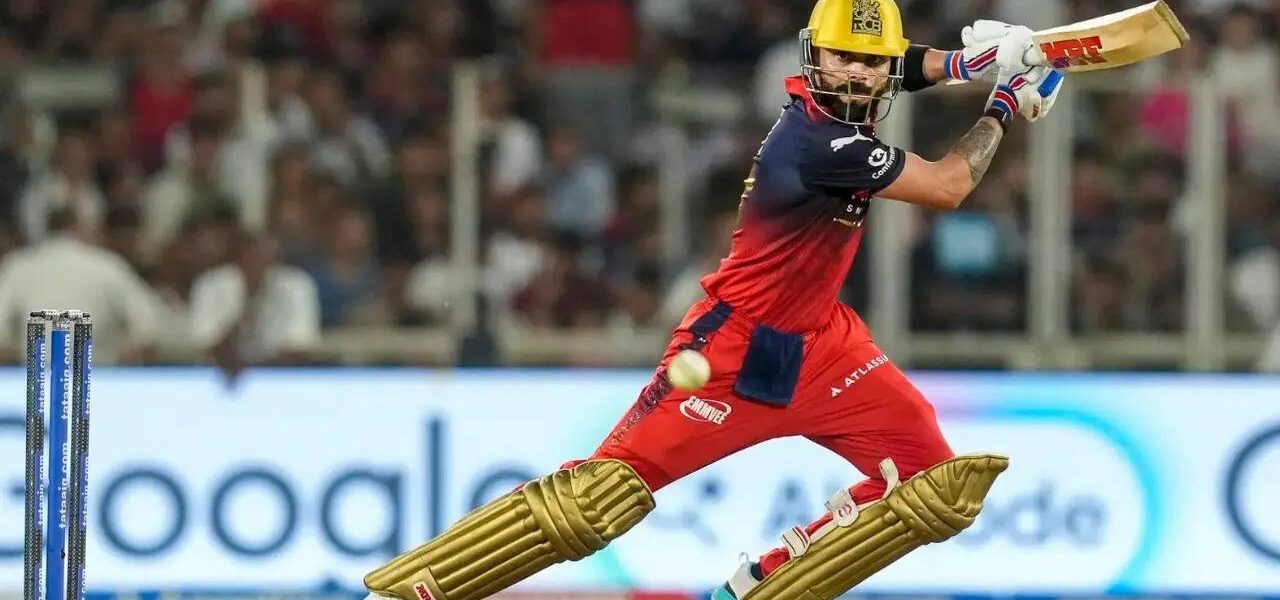
The numbers don’t lie about his direct contributions either. In the title-clinching match against Gujarat Titans, Kohli stood unbeaten on 75 runs off just 42 balls, a performance that included nine fours and three sixes. That knock earned him his fastest fifty in the IPL circuit, hitting the milestone in just 25 deliveries, according to news agency IANS. But this isn’t simply about individual glory. His influence acts like a ballast for the whole ship, particularly for younger leaders.
📄 POLICY WIRE WHITEPAPER PUBLISHED: PAKISTAN'S NATIONAL SECURITY POLICY PRIORITIES
👉 READ BY CLICKING HEREJust ask Rajat Patidar, the current RCB captain, who’s found himself leaning heavily on the seasoned veteran. [QUOTE_PLACEHOLDER] Patidar noted. For a burgeoning leader, navigating the high-stakes world of franchise cricket, Kohli is a silent mentor. [QUOTE_PLACEHOLDER] he added. Patidar, having recently led RCB to back-to-back IPL titles, certainly seems to be taking good notes, personally amassing 501 runs at a staggering strike rate of 192.69 this season. He doesn’t hold back either when he hits a snag: “But whenever I have some kind of doubts regarding the leadership role or taking any decision, I always go to Virat bhai.” This dynamic illustrates a nuanced transition of power, where experience provides stability without stifling new growth.
What This Means
This saga of enduring individual excellence and its broader ripple effects offers a fascinating lens through which to view leadership and organizational culture, not just in sports but in any high-pressure environment. For Policy Wire, it speaks volumes about the value of sustained high-performance — and mentorship. In a subcontinent often characterized by complex geopolitical currents, sporting icons like Kohli transcend borders. Pakistan, for instance, a nation with its own rich cricketing heritage and revered heroes—think Imran Khan or Wasim Akram—understand this hero-worship intrinsically. While political relations between India and Pakistan often remain frosty, the shared passion for cricket, and the recognition of exceptional talent, often creates a rare, albeit temporary, common ground. Kohli’s consistent output and his commitment to excellence set a bar that’s observed and debated—not just celebrated—across the cricketing Muslim world, from Dhaka to Lahore, influencing aspirations and methodologies even amongst rivals. It highlights how soft power, exercised through the consistent display of an individual’s drive, can implicitly shape a team, an organization, and even, indirectly, influence regional discourse. It’s a pragmatic demonstration of how setting standards can minimize managerial oversight—a principle applicable to public administration and policy implementation where clear examples can drive compliance better than directives alone. The economic reverberations, from increased sponsorship deals to rising fan engagement, also don’t hurt. And honestly, it provides a masterclass in how to pass the baton effectively without dropping it.
It’s not just a game, is it? It’s a template for cultivating success. Patidar’s acknowledgement, that Kohli’s [QUOTE_PLACEHOLDER] sums it up neatly. Some legacies, it turns out, are more about relentless personal output than official titles.