


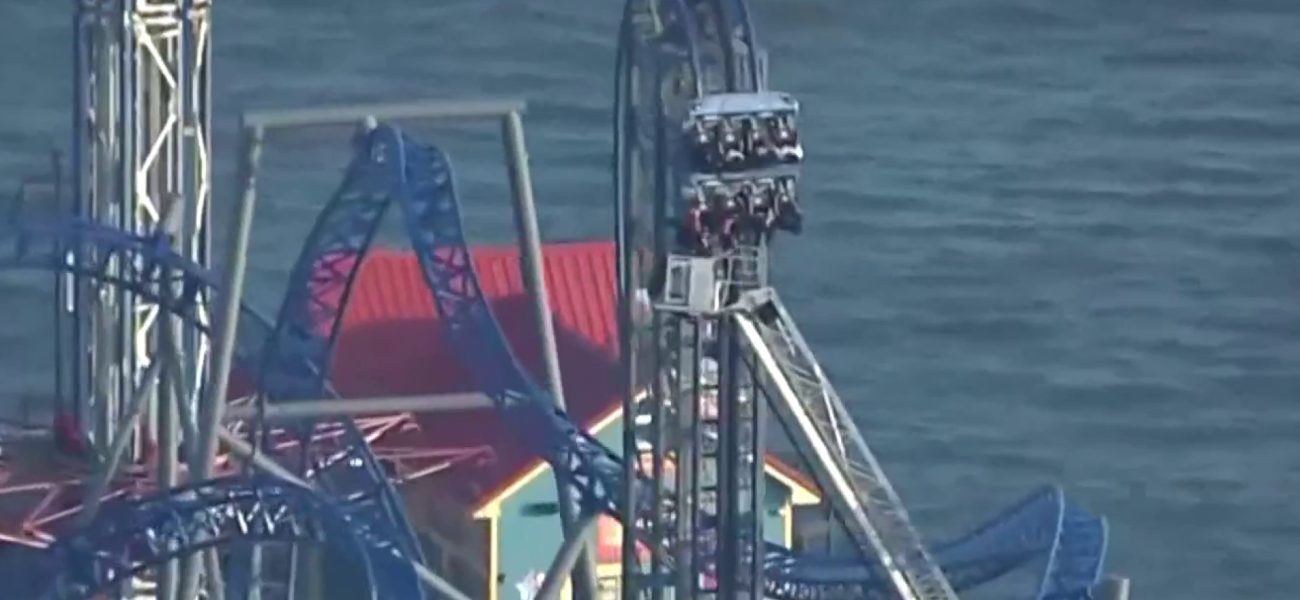
Texas Theme Park Snag: Eight Stranded, America’s Fragile Recreation Industry Under Scrutiny
POLICY WIRE — San Antonio, Texas — For several unnerving hours, eight individuals weren’t screaming from exhilaration, but from a growing discomfort, suspended high above the ground on a Texas...

POLICY WIRE — San Antonio, Texas — For several unnerving hours, eight individuals weren’t screaming from exhilaration, but from a growing discomfort, suspended high above the ground on a Texas amusement park attraction. It wasn’t the designed thrill of a gravity-defying ride, but an unplanned purgatory that unfolded, drawing eyes—and questions—far beyond the county line. The simple breakdown of a recreational device becomes, upon closer inspection, a surprisingly clear lens into deeper anxieties about systemic reliability and our collective pursuit of diversion.
It’s not just a localized snafu. Think about it: a piece of engineering designed for rapid, controlled motion suddenly freezes mid-air. For the patrons caught in that metallic embrace—they were [QUOTE_PLACEHOLDER]—the experience was surely disorienting. Firefighters eventually descended on the scene, engaging in a meticulous rescue effort that, according to initial reports, eventually saw all [QUOTE_PLACEHOLDER] brought safely back to earth. This sort of event, while seemingly isolated, forces a look at the often-overlooked mechanics that underpin vast portions of our daily lives and economy.
And what does this episode say about the broader state of things? It isn’t just about fun. The leisure industry, often perceived as frivolous, is a huge economic engine. Incidents like a [QUOTE_PLACEHOLDER] reverberate. You’ve got to wonder if corners are being cut, maintenance schedules stretched thin, or if we’re simply building complex systems that, on occasion, decide to just… stop. We expect everything to work flawlessly, instantly. When it doesn’t, even something as comparatively low-stakes as a stalled roller coaster becomes a public spectacle, feeding into a subconscious fear of collapse, whether mechanical or otherwise. The meticulous attention paid by local news outlets to every detail of the [QUOTE_PLACEHOLDER] suggests more than mere curiosity; it hints at a craving for reassurances that systems are, in fact, under control.
But the real policy implications aren’t about the individual ride, are they? This goes right to the heart of regulatory frameworks. Who’s keeping tabs on these amusement parks? State or federal oversight? Both? Neither adequately? Texas, like many states, maintains its own standards for amusement ride safety, often diverging from federal guidelines. This fragmented regulatory landscape isn’t unique to roller coasters; it’s a characteristic of various industries where local concerns meet national interests. In the age of digital interconnectivity, one localized problem can generate an echo chamber of doubt that far outstrips the actual risk. The very human element of wanting escape and thrill collides head-on with the cold reality of physics and human error—or, just plain machine fatigue. When eight souls are [QUOTE_PLACEHOLDER] for multiple hours, the news cycles churn, don’t they?
Consider the contrast: while North American leisure venues face scrutiny over occasional mechanical hitches, infrastructure development in the global South grapples with challenges on an altogether different scale. Just last year, for instance, a 2023 report by the World Bank estimated that Pakistan’s infrastructure gap, especially in areas like transport and energy, costs the country 3-4% of its GDP annually. This staggering figure represents systemic issues that extend far beyond a stuck Ferris wheel, touching every aspect of daily life and long-term economic prosperity. Their daily ‘malfunctions’ aren’t novelties, but persistent, draining realities for millions. Our small dramas of momentary discomfort often overshadow the quiet, grinding realities faced by populations across South Asia and the wider Muslim world, where a stalled infrastructure project means real economic stagnation, not just a missed afternoon at a theme park.
The incident reminds us that reliance on increasingly complex mechanical marvels isn’t confined to pleasure-seeking. It’s inherent in modern existence, from high-speed trains to intricate logistical supply chains that bring goods to your doorstep. Any disruption, any momentary pause, tends to get amplified. It becomes a stand-in for wider societal unease—a mechanical allegory for an unstable world.
📄 POLICY WIRE WHITEPAPER PUBLISHED: PAKISTAN'S NATIONAL SECURITY POLICY PRIORITIES
👉 READ BY CLICKING HEREIt’s interesting, really. These ‘stranded for hours’ narratives, whether a lone passenger plane on a tarmac or a bunch of thrill-seekers high in the sky, consistently capture public attention. They scratch at an instinctual fear of loss of control. And that’s what makes this particular type of mishap so compelling; it’s a micro-drama that taps into macro-fears. We’re all, in a sense, on a ride, aren’t we? And sometimes it just… stops.
What This Means
The temporary paralysis of a single roller coaster, while superficially minor, is a useful, albeit stark, reminder of the intricate balance between technological ambition and regulatory vigilance. Politically, such incidents often spark renewed calls for heightened safety standards or more robust oversight, which can become politically charged debates between industry lobbyists advocating for self-regulation and consumer advocates pushing for government intervention. Economically, these events can trigger a noticeable, if usually transient, dip in consumer confidence, impacting theme park attendance and broader leisure industry investments. for insurance companies, it’s a prompt to review policy liabilities and premiums, especially for operations with high public contact.
Beyond the immediate ripple, these public spectacles expose how deeply dependent modern societies are on machinery—and its predictable functionality. When a routine pleasure mechanism fails, it implicitly asks larger questions about our energy grids, our digital networks, even the political mechanisms designed to keep society on an even keel. It’s a localized crack that highlights structural stress points, subtly shaping public discourse about safety, innovation, and trust in institutions.
This kind of malfunction can also impact local economies heavily reliant on tourism. Any prolonged or repeated issues can quickly tarnish a venue’s reputation — and lead to substantial revenue losses. In an interconnected world, even a regional amusement park’s mishap can gain international traction, contributing to a global perception of safety and stability in specific regions. Ultimately, it’s a quick lesson in how quickly public confidence—an intangible but crucial asset for any industry—can be shaken.