


Ghost of Zorro Ranch: The Unrelenting Battle for a Memorial
POLICY WIRE — Santa Fe, N.M. — In the stark, unyielding landscape of Santa Fe County, where desert winds carry whispers through juniper and piñon, a different kind of haunting persists. It’s not just...

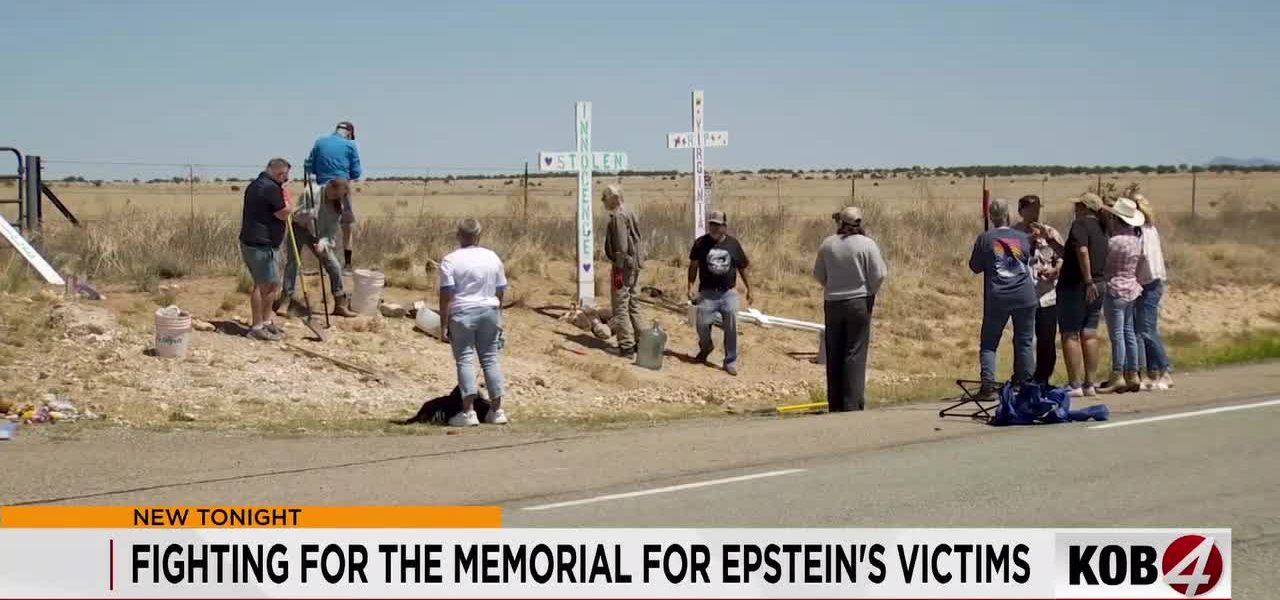
POLICY WIRE — Santa Fe, N.M. — In the stark, unyielding landscape of Santa Fe County, where desert winds carry whispers through juniper and piñon, a different kind of haunting persists. It’s not just the phantom of a predator, Jeffrey Epstein, but the tangible, stubborn resolve of survivors and activists to anchor his grim legacy to a physical spot. Because, frankly, some things shouldn’t be forgotten. The latest chapter? Dozens of folks converging once again to resurrect a memorial outside Epstein’s former Zorro Ranch, patching it together after — you guessed it — someone took parts of it down. Again. You’d think the fight would be over by now, wouldn’t you?
It’s less a monument, more a perennial challenge to forgetfulness, an organic assertion that history isn’t just written, it’s also repeatedly — aggressively, even — rewritten. Organizer Kathy Barber sounds weary, but her voice carries an iron will forged in direct opposition to erasure. She’s been at this for a spell, she tells us. The back-and-forth of construction — and deconstruction isn’t new; it’s a recurring, bitter ritual. They’ve done this before. Just this year, the memorial was dismantled once already.
The dedication, the sheer grinding tenacity of these folks, it’s not for naught. Barber said survivors who come to the site keep them going. This isn’t just about rocks and placards; it’s a defiant act of solidarity, a signal flare in the vast, cold space of trauma. And it’s profoundly personal. Barber muses on the courage it takes for survivors to be present, to confront the ground where unimaginable terrors transpired. There’s a raw understanding in her voice when she talks about those who “lived the things that we can only imagine, you know,” underscoring a truth no physical memorial can fully capture.
Someone, she suspects, tampered with the memorial around Memorial Day. Talk about irony, huh? A day meant for remembrance, co-opted for an act of deliberate amnesia. But it hasn’t deterred the group. We’re not going to stop. [QUOTE_PLACEHOLDER] Barber declared, her words reflecting the group’s indomitable spirit. She points to a visceral reaction to the anonymous, cowardly act of vandalism: [QUOTE_PLACEHOLDER] It’s a gut punch, really. The blatant disrespect. The implication that perhaps the horrors, as she says, [QUOTE_PLACEHOLDER]
Her experience upon arriving one day illustrates the pettiness of the defilers. She discovered scattered remnants, like a child’s broken toy. [QUOTE_PLACEHOLDER] Imagine finding a fragmented symbol of pain just tossed aside. It makes your blood boil a bit, doesn’t it?
But instead of succumbing to despair, they’re pivoting. They’re making plans. More permanent ones. Another organizer, Rebecca Stover, shared a vision for something more robust, less vulnerable to petty sabotage. “I’m planning a giant heart,” she explains, something that can physically contain the offerings of memory — and defiance. “It’s going to have an opening, and the survivors and anyone else that wants to can put things inside, close it, and we lock it.” A repository, then, a locked chest for the community’s sorrow — and resolve.
The focus isn’t just on rebuilding stones — and hearts, though. There’s a tangible thirst for official acknowledgement — and action. Barber looks toward the newly established Truth Commission, due to hold its first public meeting. She wants specifics. “I want to hear what they’re doing. I mean, I know it’s an investigation but there’s things they can tell us, and I want to know how they’re moving forward,” she says, reflecting a widespread desire for transparency and accountability from official channels. That meeting, by the way, is set for Monday at the Roundhouse at 2 p.m. Mark your calendars, because real work needs doing.
📄 POLICY WIRE WHITEPAPER PUBLISHED: PAKISTAN'S NATIONAL SECURITY POLICY PRIORITIES
👉 READ BY CLICKING HEREThe persistence of these New Mexico activists provides a grim counterpoint to global narratives surrounding human trafficking and accountability. While a desolate ranch in the American Southwest might seem a world away from Lahore or Karachi, the underlying human suffering, the exploitation, and the systemic challenges in holding powerful abusers to account resonate universally. It’s a battle many countries, particularly across South Asia and the wider Muslim world, are waging — often in the shadows.
What This Means
This localized struggle, the recurring act of rebuilding a memorial for victims of Jeffrey Epstein, isn’t just a poignant tale from New Mexico; it’s a political bellwether. It signals a shift from hushed scandal to an insistent demand for lasting public remembrance and systemic accountability. It’s a refusal to let the comfortable classes simply move on. When monuments to injustice are torn down, not by official decree but by shadowy hands, it forces a larger conversation about complicity and memory.
Politically, the focus on the Truth Commission demonstrates a growing impatience with glacial justice and a call for victims’ narratives to shape policy directly. This isn’t just about punishing individuals; it’s about acknowledging and dismantling the ecosystems that allow such predation to flourish. The resilience shown by these individuals in Santa Fe isn’t unique to the U.S. Indeed, around the world, particularly in regions facing severe governance challenges like parts of South Asia, the fight against child exploitation often mirrors this tenacity.
For instance, data from the International Labour Organization (ILO) and Walk Free’s 2023 Global Estimates of Modern Slavery show that a staggering 27.6 million people were in forced labour in 2021, a significant proportion of whom are victims of sexual exploitation. And countries in South Asia, regrettably, contribute to these global figures, both as origins and destinations in complex trafficking networks. The U.S. State Department’s Trafficking in Persons report often highlights significant challenges for states like Pakistan in combating all forms of human trafficking, especially among vulnerable populations. So, the symbolic fight for a memorial in a dusty American ranch directly mirrors the struggle for acknowledgement and justice that resonates globally, affecting communities from Ahmedabad’s bustling streets to quiet Pakistani villages where similar crimes against children and women often go unpunished, shrouded in silence or lack of robust legal frameworks.
Economically, persistent public demands for accountability in cases like Epstein’s could pressure jurisdictions to review lax regulatory environments or shadowy financial practices that enable such criminals. Transparency in such cases becomes an economic as well as a moral imperative, deterring the type of illicit wealth that fuels these abhorrent industries. This little memorial, then, it’s more than just a pile of stones. It’s a statement. And it’s one we can’t afford to ignore.