


Kyiv’s Shadow War: Denials and Dollars in Russia’s Energy Heartland
POLICY WIRE — KYIV/MOSCOW — In the grimy theater of modern warfare, truth, they say, is the first casualty. But narrative? Ah, that’s the general you just can’t afford to lose. Kyiv’s military...

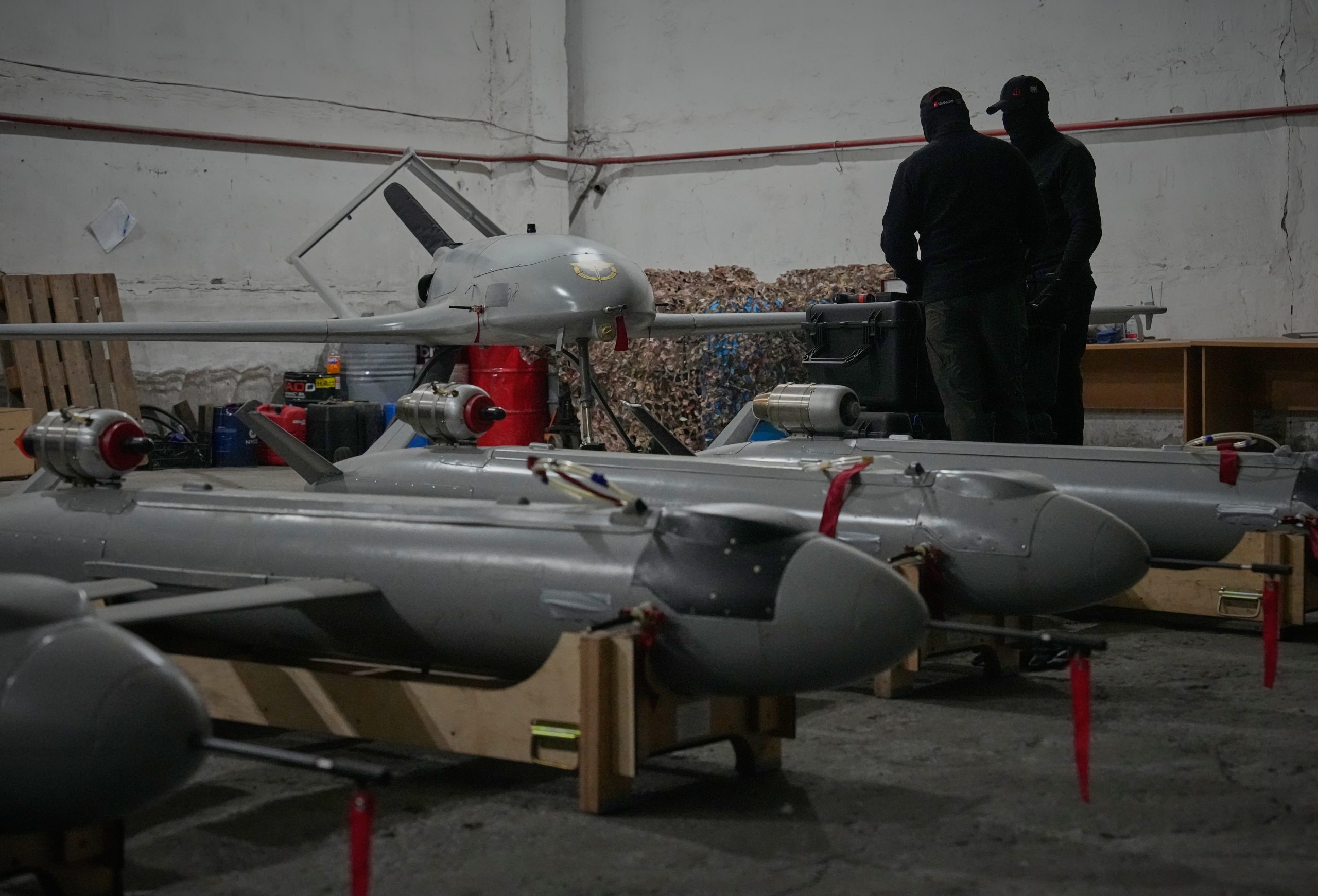
POLICY WIRE — KYIV/MOSCOW — In the grimy theater of modern warfare, truth, they say, is the first casualty. But narrative? Ah, that’s the general you just can’t afford to lose. Kyiv’s military strategists seem to understand this intimately, conducting a complex dance between kinetic action and strategic denial, especially when targeting Russia’s sprawling, oil-rich underbelly. It’s a bold move, this recent uptick in long-range drone assaults on Russian refineries, a campaign hitting Moscow where it hurts: the ledger.
Because while drones hammer refining capacity — by some estimates, Russia’s functional primary refining capacity took a roughly 14% hit in Q1 alone, according to a recent assessment by the Kyiv School of Economics — Ukraine vehemently dismisses accusations of striking the Kremlin-occupied Zaporizhzhia nuclear plant. It’s quite the balancing act. A wink — and a nod on one front; outright defiance on another. Nobody’s really surprised, are they?
“We’re absolutely focused on degrading Russia’s war machine,” stated Mykhailo Podolyak, a senior advisor to President Zelensky, speaking via video link from Kyiv. “That means their energy infrastructure fueling their aggression. But nuclear plants? That’s Moscow’s cynical narrative, a cheap deflection tactic.” He didn’t mince words. They’re playing hardball, plain — and simple.
And Russia? They’re hardly reticent about framing these attacks. Foreign Ministry spokesperson Maria Zakharova was quick to condemn what she termed Ukraine’s “reckless nuclear terrorism,” though she provided little independent corroboration for the nuclear plant allegations. “Kyiv’s Western patrons are complicit,” she told state media in Moscow, “in enabling these desperate, dangerous provocations. This isn’t just about energy; it’s about inviting an environmental catastrophe that will make Chernobyl look like a garden party.” Standard Kremlin fare, of course, designed to amplify dread.
The geopolitical tremors, though, they don’t stop at Ukraine’s borders. Far beyond Europe’s uneasy standoff, the consequences reverberate across the global energy market. Nations like Pakistan, for instance—a country perpetually walking a tightrope between energy security and economic stability—feel every shudder. Pakistan’s economy, already straining under external debt and inflation, is incredibly susceptible to swings in global crude prices. Attacks on Russian refining capabilities, whether they cause short-term blips or longer-term disruption, feed into an already jittery market, forcing countries dependent on oil imports to make agonizing decisions about subsidies, inflation, and public unrest. It’s a cruel feedback loop, isn’t it?
You see, this isn’t just a skirmish over oil wells. It’s a proxy battle fought with petrodollars, and the collateral damage extends to household budgets from Lahore to London. An unpredictable oil supply, particularly from a major producer like Russia, pushes prices up, impacting everything from transport to manufacturing in the developing world. The West’s desire to strangle Russia’s financial flows often clashes with the economic realities of their global partners—especially those already navigating their own domestic turbulence. It’s a complicated, messy situation. And for a nation like Pakistan, that reliance on Russian discounted crude—a consequence of these same sanctions—becomes even more precarious if supply chains themselves face threats. It forces difficult recalculations on energy diversification, sometimes looking to sources across the Persian Gulf, sometimes to distant, heavily sanctioned partners.
But the messaging is clear: Kyiv’s energy strikes aim to hobble Moscow’s military funding, not just inconvenience Russian citizens. They’re an escalation, no doubt about it. A calculated gamble designed to force the Kremlin to divert resources, attention, and air defenses away from the front lines and towards protecting its domestic industrial heartland. And for Ukraine, this targeting strategy says something important: it suggests they possess an increasingly sophisticated long-range strike capability, capable of bypassing Russia’s air defenses with unnerving regularity. It’s not just a drone, it’s a statement.
What This Means
These latest developments suggest an inflection point in the war’s economic dimension. Politically, Ukraine is pushing the envelope, demonstrating a willingness to escalate attacks within Russian territory while maintaining plausible deniability around particularly sensitive targets like nuclear infrastructure. This tightrope walk is about keeping Western allies on board — those who fear wider escalation but want to see Russia pressured — while simultaneously inflicting real pain on Moscow’s war chest. Economically, expect continued volatility in energy markets. Any further significant hits to Russian refining capacity will have ripple effects, contributing to uncertainty and potentially driving up global prices, straining national budgets globally, and potentially forcing a reevaluation of energy policies, particularly in countries like Pakistan seeking affordable supplies. But perhaps the greater story here isn’t just about oil or denial. It’s about the expanding scope of a conflict where economic pressure points are becoming as — or more — strategic than direct battlefield gains, morphing into a complex geopolitical chess match with global ramifications.