

Tasmania’s Wild Heart: The Fierce Tug-of-War Over Its ‘Spectacular Views’
POLICY WIRE — Hobart, Australia — Forget the picture-perfect postcards, the slick marketing campaigns pushing Tasmania as a mere scenic escape. Beneath that placid surface, a surprisingly heated...

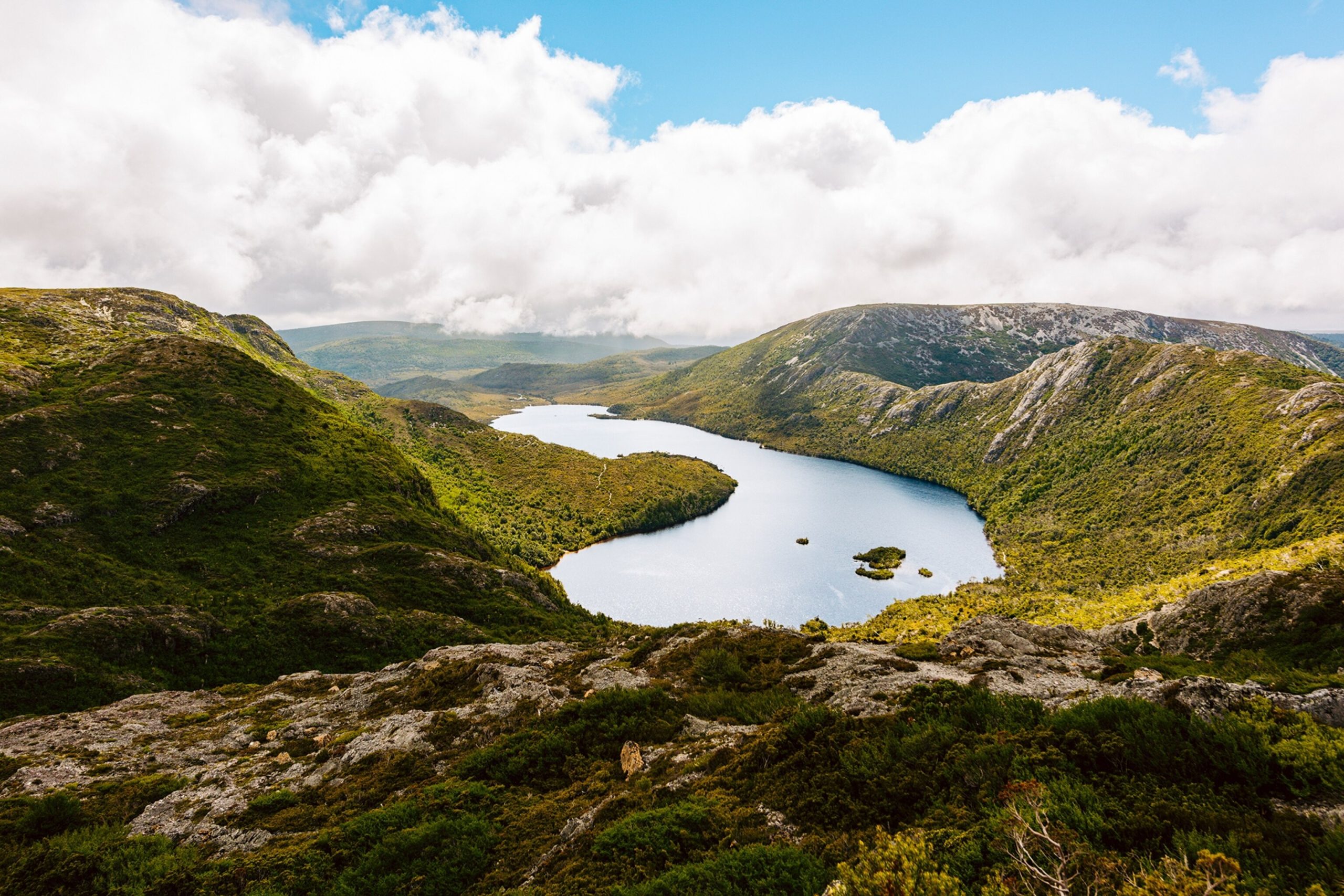
POLICY WIRE — Hobart, Australia — Forget the picture-perfect postcards, the slick marketing campaigns pushing Tasmania as a mere scenic escape. Beneath that placid surface, a surprisingly heated political battle brews, all centered around what boosters routinely label its ‘spectacular views.’ But whose views are we talking about? And at what cost do they come? This isn’t just about pretty pictures; it’s a high-stakes play for land, revenue, and—for some—the very soul of an island.
It’s always been about access, hasn’t it? The question of who gets to see the majestic peaks or the ancient rainforests, — and under what conditions. The latest flashpoint centers on proposed expansions to several ‘eco-tourism’ ventures—developers’ code, often enough, for putting luxury accommodations smack-dab in formerly untouched territories. And they’re doing it in areas renowned for their raw, untamed allure, areas supposedly beyond the reach of tarmac and high-thread-count sheets.
And so, Tasmania’s challenging trails, lauded for their sheer isolation and physical demand, are morphing into economic battlegrounds. The current narrative frames these efforts as an innovative way to sustain the island’s conservation efforts, funneling tourism dollars directly into environmental protection. But skeptics don’t buy it, not for a second. They see a thinly veiled effort to commodify something intrinsically wild, something that shouldn’t come with a price tag attached.
“We’re beyond a simple economic equation here,” asserted Dr. Evelyn Sinclair, director of the Tasmanian Wilderness Alliance, in an exclusive chat. “These places—they aren’t just pretty backdrops for somebody’s Instagram; they’re living, breathing ecosystems with immense ecological and cultural significance. Monetizing them to this degree isn’t protecting them; it’s putting them on a short lease, stripping away the very wildness that draws people here in the first place.” Her tone, usually academic, grew noticeably sharper. She’s not wrong, you know.
On the flip side, we’ve got figures like the state’s Minister for Economic Development and Tourism, Peter Grieve, who remains bullish on the growth strategy. “Our analysis clearly shows a significant demand for high-end, immersive nature experiences,” Grieve declared recently from his sleek Hobart office. “We project a 15% increase in international tourism arrivals specifically targeting wilderness experiences over the next three years, potentially adding AUD $300 million to our state’s GDP. This isn’t about selling out our heritage; it’s about responsibly funding its future through carefully managed, high-value visitation.” That’s his party line, at least, delivered with all the conviction of a man with spreadsheets to back him up. But what about the ‘carefully managed’ part?
Because there’s a delicate balance. The trails themselves, many requiring arduous treks across unforgiving terrain—think the legendary Overland Track or the even more remote South Coast Track—are a testament to Tasmania’s rugged isolation. Yet, the push for more ‘accessible luxury’ feels, to many, like a compromise of that very isolation. It’s a question not just for Australia but globally. How do nations, particularly those blessed with natural grandeur, navigate the incessant pull of global tourism markets against the increasingly desperate need for ecological preservation?
Consider regions like Pakistan’s Gilgit-Baltistan, a mountainous landscape that, for its sheer, imposing beauty, rivals anything Tasmania can offer. Locals there often face a similar dilemma: harness tourism to lift impoverished communities, or risk irreversibly altering pristine environments? It’s not an easy answer for either. But here, in Tasmania, with its relatively robust economy, the ethical stakes feel higher for some.
A recent study by the University of Tasmania, released just last month, highlighted a troubling statistic: over the last decade, areas zoned for ‘wilderness tourism’ in the state have seen a 27% increase in infrastructure development—not necessarily trails, but things like lodging, helipads, and service roads. That’s a rapid clip for a place meant to be kept pristine, isn’t it?
And this is where the conversation turns serious. Environmentalists argue that each new lodge, each paved path into the bush, chips away at the very value of the wilderness itself. They argue for minimal impact, for the ‘leave no trace’ philosophy to be elevated beyond a mere slogan. They believe the state is flirting with the very ‘eco-tourism mirage’ that some predicted years ago—a concept of nature warped into a carefully curated theme park. For a deeper dive into that very discussion, check out Tasmania’s Wilderness: A Hard-Won Vista or an Eco-Tourism Mirage? It’s still eerily relevant.
The state government, meanwhile, keeps touting the financial benefits, the new jobs, the prestige. They don’t want to be seen as guardians; they want to be seen as facilitators of opportunity. But opportunity for whom? And does the economic balm truly outweigh the subtle erosion of a natural heritage that, once gone, ain’t ever coming back? It’s a quandary, indeed.
What This Means
This localized conflict over Tasmania’s wild places ripples far beyond the Bass Strait. Economically, a boom in high-end eco-tourism might provide a short-term shot in the arm for Tasmania’s hospitality sector and even regional infrastructure. It also signals a global trend: a thirst for ‘authentic’ nature experiences that developers are only too happy to quench, often with high price tags and exclusivity in mind. But it presents a tricky proposition for the state’s brand; oversaturation or excessive development could compromise the very appeal drawing visitors in the first place, turning ‘pristine’ into merely ‘privatized.’
Politically, the debate highlights the perennial tension between conservation and economic development, a battle fought in legislative chambers and local communities across the planet. How decision-makers balance short-term revenue with long-term ecological integrity will be a blueprint, or a cautionary tale, for other regions, especially as global warming further strains already fragile environments. It also speaks to a growing public awareness of ‘greenwashing’—where environmental claims don’t always align with development practices. Tasmania’s government, by aggressively pursuing these tourism strategies, is betting on the idea that they can thread this needle. We’ll have to see if they stick the landing.