


Germany’s Inflation Mirage: Fuel Tax Fix Offers Fleeting Relief Amid Deeper Strains
POLICY WIRE — Berlin, Germany — The collective sigh of relief that swept through Berlin’s ministerial offices might just be as fleeting as the petrol pump savings themselves. Germany, that economic...

POLICY WIRE — Berlin, Germany — The collective sigh of relief that swept through Berlin’s ministerial offices might just be as fleeting as the petrol pump savings themselves. Germany, that economic powerhouse once thought unshakeable, finds itself navigating a landscape where political pragmatism – often meaning short-term fixes – takes precedence over systemic overhauls. We’re seeing inflation cool, yes, but beneath the surface, the machine groans.
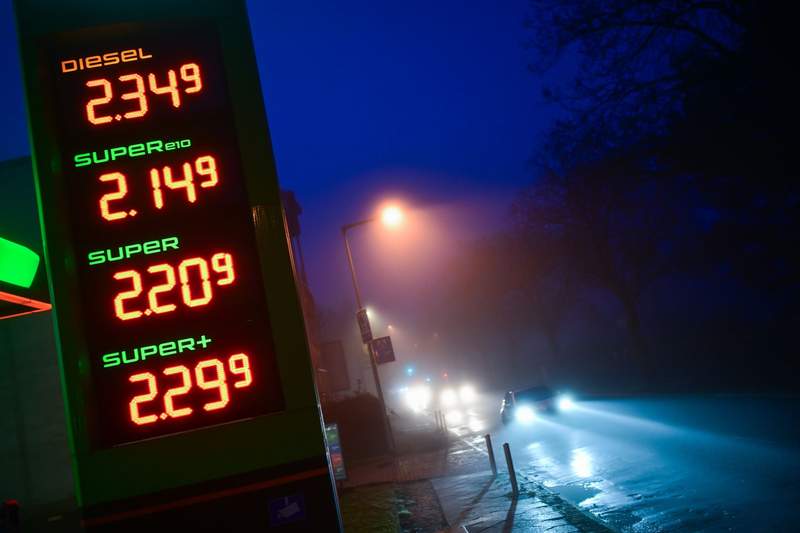
It’s an open secret that much of the recent dip in consumer price increases, specifically to a reported 2.6 percent in May, comes courtesy of a rather significant fuel tax cut. A clever maneuver, no doubt. The move offered Germans a momentary respite from the relentless climb in their cost of living, providing a brief electoral reprieve for Chancellor Olaf Scholz’s sometimes-unpopular coalition. But this isn’t some spontaneous market correction. It’s an engineered deflationary moment, paid for by the state, and economists are already whispering about its limited shelf-life.
The headline number, supplied by the Federal Statistical Office (Destatis), certainly offers cheerleaders a talking point. Inflation falling to 2.6% in May is technically progress from the previous months. But, and this is where the cold, hard reality sets in, nobody honestly believes it signals the end of Germany’s cost-of-living saga. Prices for household energy and food staples remain stubbornly high, impacting every German from the factory worker in Bavaria to the IT consultant in Frankfurt. People feel it, every time they push a grocery cart, every time they get a utility bill.
“We’ve implemented sensible fiscal measures to support our citizens through these challenging times,” stated German Finance Minister Christian Lindner recently, projecting a measured confidence. “But we’re under no illusions; this fight requires constant vigilance and a clear focus on strengthening Germany’s competitive edge without compromising long-term sustainability.” His tone suggests he knows this particular rabbit won’t stay in the hat indefinitely.
The truth is, Berlin’s inflation problem is symptomatic of a larger, European malaise. Global energy price volatility, exacerbated by geopolitical rumblings, has left even the Continent’s sturdiest economies feeling brittle. Germany’s reliance on once-cheap Russian gas, a historical cornerstone of its industrial might, now looks like a painful Achilles’ heel. It’s an inconvenient truth, yet one that won’t go away just because fuel is a few cents cheaper this week. And what about the ripple effects?
Because Germany is Europe’s largest economy, its struggles reverberate. Across the Bosphorus, for example, economies in the Muslim world, such as Pakistan, watch anxiously. German industrial demand — and investment play a tangible role in global supply chains. A slowdown, or indeed, the perception of an unstable German market, can deter foreign direct investment and impact demand for exports from emerging economies. Pakistani textile manufacturers, for instance, feel the pinch when European consumer confidence dips, or when their shipping costs skyrocket due to volatile fuel prices spurred by wider economic unease.
Dr. Ulrike Trebs, an independent economic analyst with a keen eye on European affairs, put it more bluntly. “The fuel tax cut is essentially economic caffeine – a short, sharp boost that obscures the fatigue. What’s needed are structural reforms in energy policy and robust EU-wide coordination, not simply delaying the inevitable pinch,” she commented, reflecting a broader sentiment of skepticism outside official circles. Her view implies the current policy is simply kicking the can down the Autobahn.
What This Means
Politically, the momentary inflation dip is a small victory for Scholz’s beleaguered government, perhaps buying them a sliver of public goodwill. But it’s a strategy born of necessity, not long-term vision. This Band-Aid approach highlights the immense pressure facing Europe’s leaders, forced to balance public discontent with fiscally responsible governance – a struggle detailed expertly in analysis like “The Weary Grandee: How Political Stalemate Exhausts an Electorate.” The real political cost of these interventions, of using treasury funds to artificially dampen prices, will be seen down the line. Economically, while a lower inflation number is always welcome, this particular achievement feels more like sleight of hand. The underlying factors – energy scarcity, supply chain vulnerabilities, and geopolitical tensions – remain firmly in place. Don’t mistake a momentary calm for a clear sky; the storm clouds haven’t dissipated. They’ve just shifted direction a little, waiting to brew up again.