


NOAA Winter Forecast: El Niño to Bring Drought Relief and Storms to Southern U.S.
NOAA's latest winter outlook predicts El Niño will bring rain to drought-stricken southern states while drier conditions persist across the northern U.S.

POLICY WIRE — Washington, D.C. — The National Oceanic and Atmospheric Administration (NOAA) has released its latest winter weather outlook, suggesting that the upcoming season may provide essential moisture to drought-affected regions of the United States. However, the forecast indicates a stark divide, with wetter conditions expected in the South while the northern tier of the country faces a drier-than-average winter.
This seasonal outlook, which covers the period from December through February, is heavily influenced by a powerful El Niño climate pattern. This phenomenon, driven by shifting ocean temperatures in the tropical Pacific, is expected to be a primary factor in shaping weather patterns across the nation.
Ken Graham, director of NOAA’s National Weather Service, emphasized during a Thursday briefing that the presence of a strong El Niño does not diminish the potential for severe winter hazards. While historical data suggests increased storm activity across the southern U.S. could alleviate drought, Graham warned that excessive precipitation on parched soil carries the risk of destructive flash floods and mudslides.
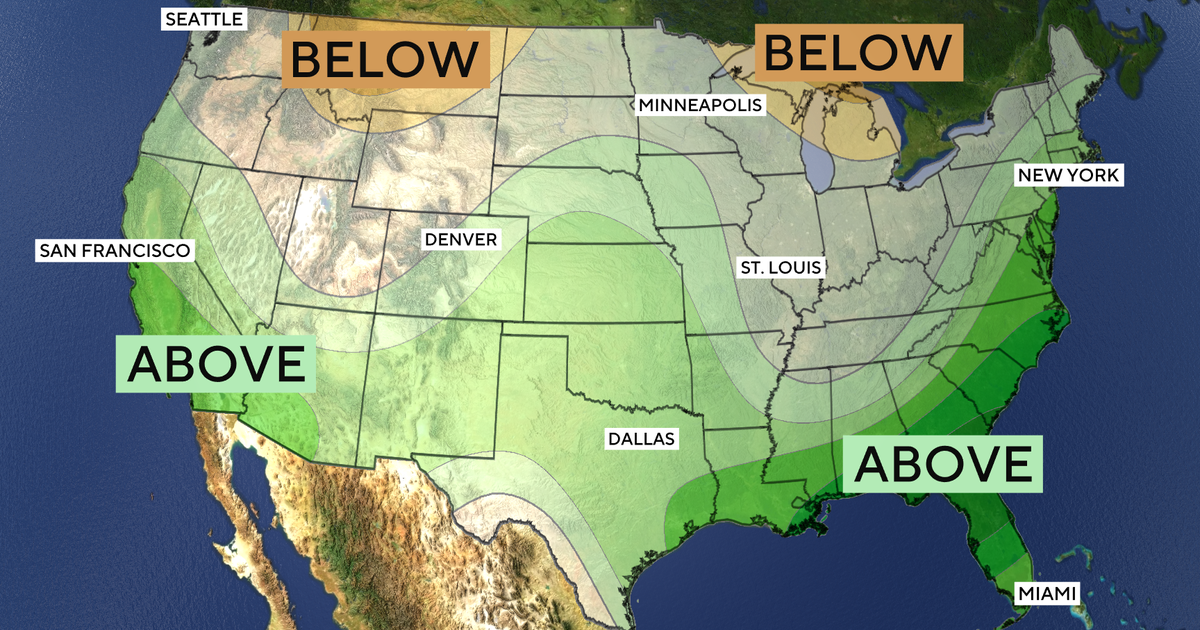
The forecast anticipates wetter-than-average conditions for the Southwest, Southeast, and parts of the East Coast. Conversely, regions including the northern Mountain West, the Great Lakes, Hawaii, and much of Alaska are projected to experience drier-than-average conditions. Other areas, such as the Ohio Valley and northern Plains, face an equal probability of seeing below-average, near-average, or above-average precipitation.
Temperature trends are also expected to shift, with warmer-than-average conditions predicted for the Pacific Northwest, northern California, the Midwest, the Mississippi Valley, and much of the eastern U.S. Alaska is similarly expected to see higher-than-normal temperatures. Meanwhile, the southern half of the country will likely see temperatures near or slightly below normal, with Florida expected to remain near-normal.
While the outlook offers hope for ending drought conditions in the southern Great Plains and parts of the East Coast, officials noted that drought could still develop or intensify in other regions. Areas such as eastern Washington, Oregon, and parts of the northern Rockies remain at risk of worsening water shortages.
Reporting by Policy-Wire (PW)