

Tasmania’s Wilderness: A Hard-Won Vista or an Eco-Tourism Mirage?
POLICY WIRE — Hobart, Australia — It’s one of those hard truths nobody really wants to talk about: the very act of seeking pristine wilderness often leaves it a little less so. Tasmania, that...

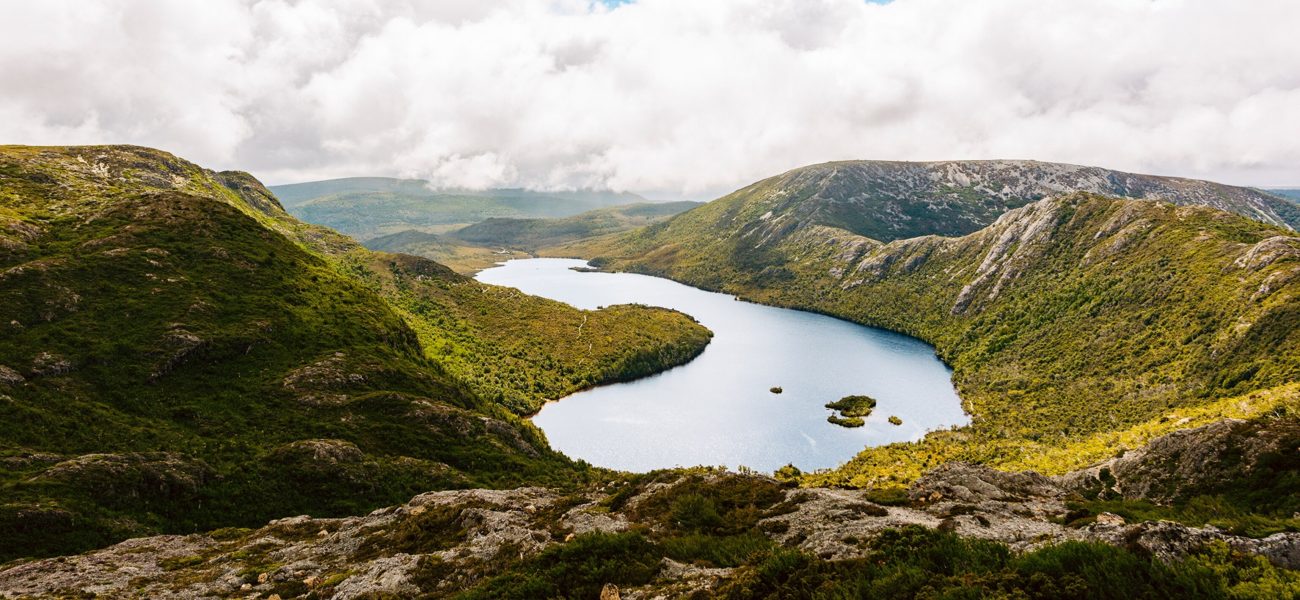
POLICY WIRE — Hobart, Australia — It’s one of those hard truths nobody really wants to talk about: the very act of seeking pristine wilderness often leaves it a little less so. Tasmania, that heart-shaped emerald hanging off Australia’s southern edge, continually markets its rugged beauty as an escape, a final frontier for the intrepid. But out on trails like the storied Overland Track, that pursuit of the unspoiled view tells a different, more complicated tale than the brochures might suggest.
Because, frankly, every boot print, every dropped wrapper, every infrastructure project meant to make nature more ‘accessible’ comes with its own invisible tax. And these taxes stack up, quietly chipping away at the very thing adventurers journey halfway across the globe to find. We’re not talking about simply seeing pretty rocks — and trees here. This is about an island’s identity, its delicate ecology, and a global economy eager to commodify every last unspoiled corner.
The marketing push for Tasmania’s backcountry isn’t subtle. It lures hikers with promises of spectacular views—a euphemism for breathtaking vistas earned through sheer physical graft. You’ve got folks planning these trips for months, sometimes years, saving up, buying specialized gear. It’s a pilgrimage of sorts for the modern era, one where digital detox and self-discovery come with a hefty price tag and a carbon footprint. You see ’em out there, leaning into a biting southerly wind, their faces grimed with exertion, snapping photos for Instagram. There’s a particular kind of irony in that, isn’t there?
But the true grit isn’t just about hauling a pack up a mountain. It’s in the ongoing bureaucratic arm-wrestle over land management, the endless debate about carrying capacities versus economic dividends. Consider, for instance, the recent surge in regional tourism post-pandemic; visitor numbers to Tasmania spiked by an average of 18% in 2023 alone, according to Tourism Tasmania data. That’s a lot more people wanting to stand on that one famous lookout. And who can blame them?
This insatiable appetite for raw, untamed nature isn’t unique to Tasmania. Look across the planet—from the trekking routes of Nepal’s Everest Base Camp to the spiritual treks through Pakistan’s Karakoram range, a landscape familiar with both awe-inspiring peaks and the relentless pressure of human ingress. The question echoes: how many ‘spectacular views’ can a place offer before the spectacular becomes… well, just a view? The same economic engines that drive Australian tourism boards also seek out opportunities for investment and development in less-explored Muslim-majority nations, touting natural beauty without fully reckoning with the consequences. It’s an inconvenient truth, you know?
Local authorities are doing their best, certainly. They’re implementing booking systems, restricting group sizes, maintaining tracks, all of which cost money. It’s a complex logistical operation, ensuring an ‘authentic wilderness experience’ while simultaneously ensuring the wilderness actually survives the onslaught of authenticity-seekers. You’ve got rangers, many of ’em lifelong locals, dealing with everything from lost tourists to discarded plastics, making sure trails stay navigable and flora isn’t trampled beyond recovery. It’s often thankless work, but someone’s gotta do it. And it’s not glamorous, believe me. Some days, it feels like they’re just holding back a rising tide. [QUOTE_PLACEHOLDER] they might tell you, after a long week of track repair.
The environmental debates here also feed into broader geopolitical discussions about sovereign natural resources and who profits from them. Developing nations often find themselves caught between exploiting natural assets for foreign currency and preserving them for future generations—a particularly brutal alchemy of loss that resonates globally. They’re wrestling with the exact same thorny issues that Tasmanians face, albeit on vastly different scales and with far fewer resources at hand. It’s a universal balancing act, trying to capitalize on your assets without liquidating your soul.
But for now, the Overland Track — and its lesser-known cousins continue to draw ’em in. They’ll endure the blisters, the cold snaps, the unpredictable weather—anything for that moment when the clouds clear and the pristine wilderness unfolds before them. They’ll snap that photo, feel that momentary transcendence. And then, they’ll head back to civilization, leaving behind only footprints, they hope. The reality, of course, is a lot heavier than just a footprint.
What This Means
The perceived ‘pristine’ nature of regions like Tasmania serves as both an economic magnet — and an ecological crucible. The burgeoning popularity of challenging wilderness trails presents a micro-economic boom for local hospitality and guiding services, but it concurrently exacerbates long-term conservation challenges. For policymakers, it forces an ongoing reassessment of sustainable tourism models. The goal is to maximize economic benefits without irrevocably degrading the unique environmental assets that draw visitors in the first place.
Geopolitically, Tasmania’s struggle mirrors those of diverse nations from Southeast Asia to the Middle East, all grappling with the dual pressures of globalized tourism and fragile ecosystems. The demand for ‘authentic’ experiences, often fueled by Western consumer trends, disproportionately impacts developing economies and remote communities who frequently bear the environmental brunt while often seeing a comparatively small slice of the profits. This creates a reliance on extractive tourism that, without careful regulation, could deplete cultural and natural capital. Maintaining the delicate balance between environmental integrity and economic viability here sets a precedent, one that reverberates in every discussion about leveraging natural heritage on the world stage. It’s not just a walk in the park; it’s a tightrope walk with serious geopolitical implications.