


Trump’s Reductions of Bears Ears and Grand Staircase-Escalante Follow Historical Pattern
Examining Trump's cuts to Bears Ears and Grand Staircase-Escalante, revealing a century-old pattern of land management changes.

POLICY WIRE — Washington, D.C. — Recent reductions in the size of Bears Ears and Grand Staircase-Escalante national monuments by the Trump administration echo a longstanding pattern of altering protected lands. The government has historically recognized the significance of these areas, a practice dating back nearly a century.
The move to shrink these monuments has sparked considerable debate, drawing attention to the historical context of land management in the United States. Critics argue that such reductions undermine the long-standing recognition of these lands’ importance.
“The government has acknowledged the value of these lands for a very long time,” said an environmental policy expert. “This recent action is part of a broader pattern that we’ve seen in the management of national monuments.”
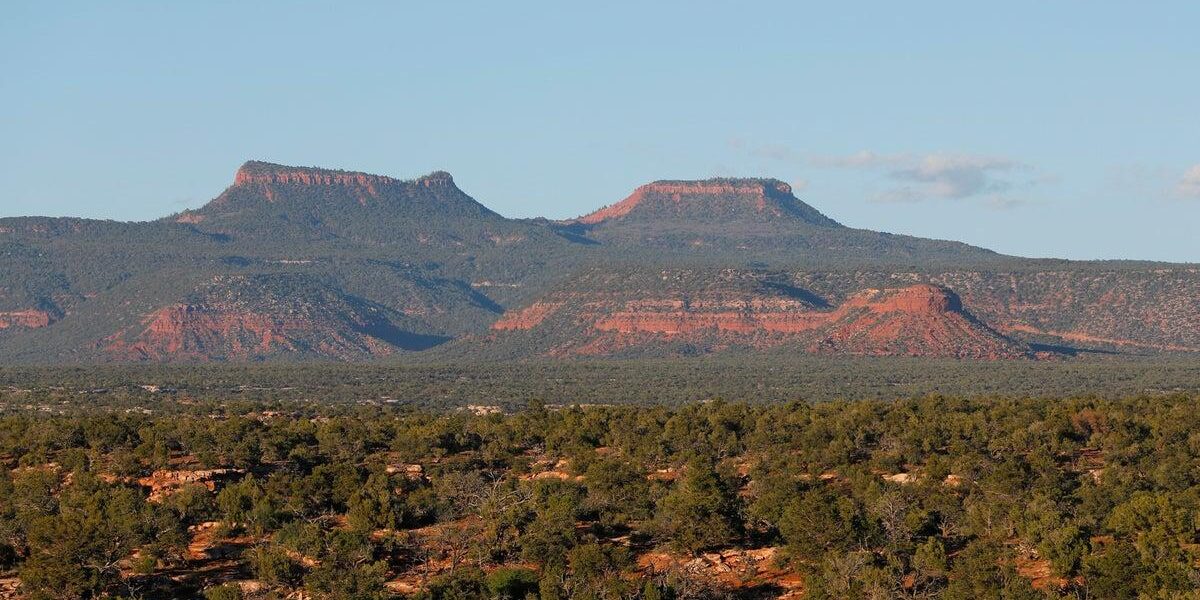
Bears Ears — and Grand Staircase-Escalante were established to protect culturally and ecologically significant areas. The reductions have been met with opposition from environmental groups and Native American tribes, who argue that the changes threaten the preservation of these sites.
This development is part of a larger trend in environmental policy under the Trump administration, which has sought to roll back protections for various national monuments and public lands. The administration argues that these changes will promote economic development — and resource extraction.
Environmental advocates, however, contend that such actions disregard the historical and cultural significance of these lands. They point to the long-standing recognition by the government of the need to protect these areas.
The debate over the future of Bears Ears and Grand Staircase-Escalante underscores the ongoing tension between conservation efforts and economic development. As the administration continues to review and potentially alter the status of other national monuments, the implications for land management and environmental policy remain significant.
Reporting by Policy-Wire (PW)