
Isle of Man TT: Peril, Profit, and a Persistent Question Mark
POLICY WIRE — Douglas, Isle of Man — The official races haven’t even cranked into gear, but the Isle of Man Tourist Trophy has already claimed a life and left a trail of smashed carbon fiber...

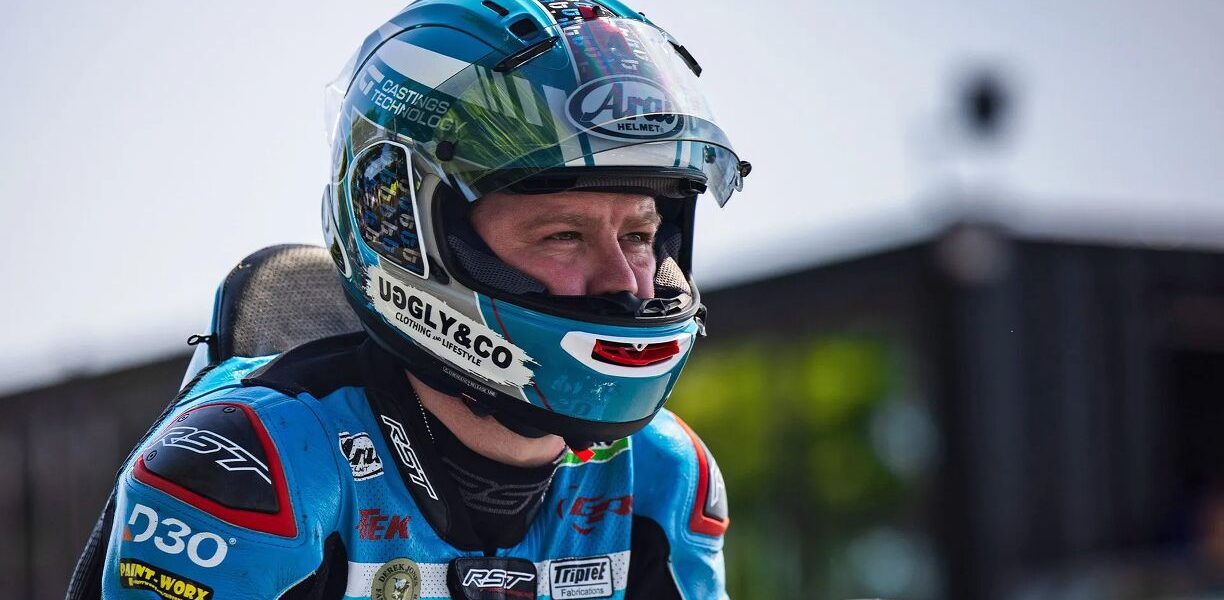
POLICY WIRE — Douglas, Isle of Man — The official races haven’t even cranked into gear, but the Isle of Man Tourist Trophy has already claimed a life and left a trail of smashed carbon fiber and broken bones. The tarmac here—on this notoriously unforgiving Mountain Course—is a stage, yes, but also a grinder. And the audience, you’d be excused for thinking, seems to almost revel in the razor’s edge. Because Daniel Ingham, a 33-year-old English racer with a young family, crashed out during qualifying yesterday, transforming a dream debut into a tragic footnote.
It wasn’t even the first shunt this week. Two sidecar teams have tangled with the course, sending brothers Ryan and Callum Crowe, and then Maria Costello and Shaun Parker, off the road. The organizers, to their credit (or perhaps, under intense public pressure), shuttered sidecar events for the remainder of 2026. Before all that, an earlier incident put another rider — and eight spectators in hospital. A chaotic warm-up, wouldn’t you say? It’s hardly an isolated problem, either; the Isle of Man TT circuit has, astonishingly, accounted for more than 260 rider deaths since its 1907 inception, according to various historical race records. That’s a statistic that hits hard, making you wonder what kind of calculus justifies the carnage.
“Look, nobody wants to see this happen,” remarked Adrian Cornwell-Symons, an Isle of Man government spokesperson, whose voice carried the strained resonance of a man accustomed to grim press briefings. “But the TT isn’t just a race; it’s part of our cultural fabric, a magnet for tourism that brings millions to our shores every year. We’re constantly reviewing safety protocols. Always. But this—it’s inherently dangerous. That’s the draw for many.” It’s a sentiment many islanders parrot, a careful dance between genuine sorrow and economic realism.
But how much risk is too much, especially when commercial interests clash with basic human preservation? “We preach risk mitigation and driver safety every single day,” stated Omar Abdullah, a prominent motorsports safety expert with ties to a Gulf-based racing association. “These riders, they’re not just daredevils. They’re professionals. But the Mountain Course… it laughs at conventional safety barriers. One momentary lapse, a gust of wind, a pebble – — and a career, a life, just ends. This isn’t just sport; it’s a brutal gladiatorial spectacle that global sponsors happily fund, irrespective of the body count.” He didn’t mince words, which, frankly, was refreshing. The economic currents here are certainly complex, drawing in enthusiasts, media, and tourists from across the globe—a significant portion of whom hail from burgeoning economies like those in the Muslim world, keen on such adrenaline-fueled spectacles, sometimes blind to the sheer human toll.
Ingham, from Melton Mowbray, Leicestershire, had quite the track record, too. He wasn’t some rookie without a clue. He’d been cutting his teeth on the Mountain Course since 2016, racking up podium finishes in the Manx Grand Prix, even winning the 2024 Senior Manx Grand Prix. This was his big league debut—a step onto racing’s most brutal, beautiful, and unforgiving stage. But it didn’t end well. He leaves behind his wife, Helayna, — and their two children, Joey and Phoebe. A whole future just… gone. You can’t put a price on that.
📄 POLICY WIRE WHITEPAPER PUBLISHED: PAKISTAN'S NATIONAL SECURITY POLICY PRIORITIES
👉 READ BY CLICKING HEREWhat This Means
The persistent grim reaper at the Isle of Man TT poses a thorny policy dilemma for an autonomous territory reliant on tourism revenue. This isn’t just a sports story; it’s an economic narrative draped in black crepe. The event, while generating substantial income and global recognition for the Isle of Man, consistently highlights the ethical tightrope walked by governing bodies who sanction events where fatalities are not just a possibility, but a historical certainty. Politically, every death puts the island’s self-governance under a microscope, sparking uncomfortable questions about regulatory oversight from Westminster or international bodies, particularly if insurers or major sponsors—many with headquarters in global financial hubs—begin to balk at the inherent liabilities. Because while fans might embrace the risk, investors and lawmakers have a habit of doing quite the opposite, especially when images of mourning families begin circulating internationally. A split-second lapse, after all, carries immense societal weight. For a globally-watched spectacle, the balance between preserving tradition and ensuring basic human safety is, right now, completely out of whack. How long can that continue? It’s a question nobody on the island seems eager to answer decisively.