

Albuquerque’s Underbelly: Six-Legged Symptoms of a Strained Infrastructure
POLICY WIRE — Albuquerque, New Mexico — It’s not just the relentless summer sun beating down on New Mexico; it’s what crawls out from beneath the streets that truly grates on the residents of...

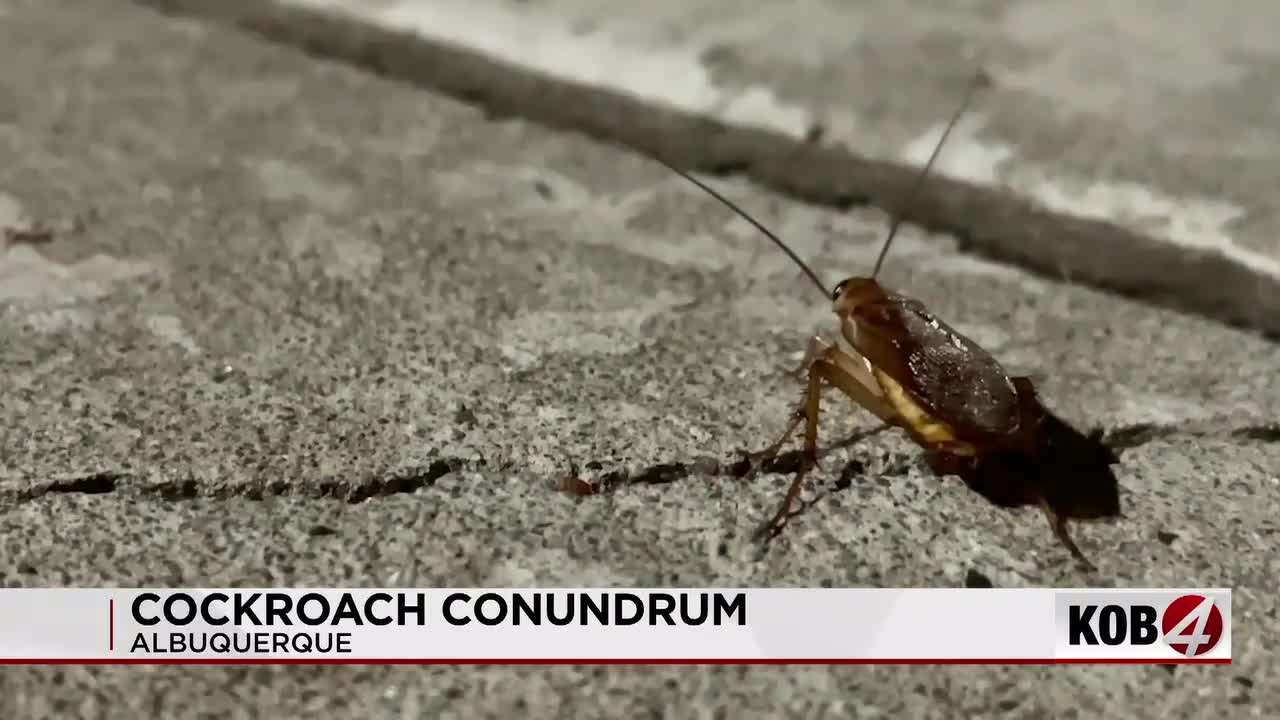
POLICY WIRE — Albuquerque, New Mexico — It’s not just the relentless summer sun beating down on New Mexico; it’s what crawls out from beneath the streets that truly grates on the residents of Albuquerque. The city, usually bustling with vibrant culture and scenic views, now finds itself locked in an ignoble battle against an unwelcome proliferation: the humble, yet alarmingly persistent, cockroach. It’s a subterranean drama unfolding nightly, a gritty, uncomfortable indicator of something deeper.
For weeks now, the phone lines at local pest control operations have been jammed, a cacophony of frantic pleas. And for good reason, because residents aren’t merely seeing a few more stray pests; they’re witnessing an overt siege. The culprits, primarily the notoriously resilient Oriental cockroaches, are swarming from manholes, storm drains, and other less-than-picturesque urban conduits, creating a public nuisance that feels less like an inconvenience and more like a warning. This isn’t just about creepy crawlies; it’s about the frayed edges of a rapidly expanding metropolitan area wrestling with environmental shifts and infrastructural fatigue.
Mike Swanson, who manages commercial operations at Preventive Pest Control, doesn’t mince words. “It’s not merely an uptick; it’s a systemic inundation across the board. We’re seeing every sort of creepy-crawly staking a claim, from earwigs to scorpions,” he recently told us, a weary edge to his voice. “The calls, well, they just don’t stop. What used to be a seasonal surge is now practically a year-round battle. They’re adaptable, these things, finding new routes, new hiding spots.” Swanson explained that these particular roaches — those glossy, dark brown varieties — are connoisseurs of damp, decaying organic material. Which makes manholes, brimming with moisture — and unseen delights, a five-star resort.
David Morris, public affairs manager for the Albuquerque Water Authority, confirms the municipal side of the infestation. “The Water Authority is, of course, committed to public health,” he stated, attempting an optimistic tone. “We dispatch crews to treat these communal hot spots in requested neighborhoods. But manpower? Resources are finite. And yes, a two-month waiting list for manhole treatments means those tiny invaders aren’t waiting on us. They’ve got their own schedule.” He points out the standard procedure involves boric acid, a potent exterminator, which typically offers a year of respite. A temporary fix for a seemingly perpetual problem, then.
The city’s growing distress isn’t isolated. Data from the U.S. Environmental Protection Agency indicates that average global temperatures have risen by over 1.8°F (1.0°C) since the late 19th century. That warming trend doesn’t just make our summers hotter; it fundamentally shifts ecological balances, extending pest breeding cycles and driving insects, normally dormant, into extended periods of activity. Shorter, milder winters in places like Albuquerque mean the cockroach season now runs practically from February to December, pushing municipal services and homeowner budgets to their breaking point. It’s a symptom, not just a seasonal anomaly.
Many urban centers globally contend with similar problems, particularly those experiencing rapid population growth coupled with aging infrastructure. From the bustling streets of Karachi, where public sanitation faces immense pressure from burgeoning populations and extreme weather, to other Southwestern cities like Phoenix, a delicate balance exists between modern living and environmental realities. Poorly maintained sewage systems and neglected public spaces, under the dual pressures of climate change and municipal underfunding, often become unintended sanctuaries for such creatures. It’s a stark reminder that what happens in the depths of our drains eventually surfaces, usually at the most inconvenient times.
What This Means
This escalating cockroach problem in Albuquerque isn’t just about an increased demand for bug spray; it’s a canary in the coal mine for urban resilience. Economically, the cost of sustained pest management—both private and public—represents a drain on resources that could otherwise be allocated to proactive infrastructure upgrades or other community services. Homes, too, suffer depreciating values when pest issues become chronic, eroding wealth and increasing renovation expenses. And, consider the health implications: cockroaches are known vectors for various pathogens, posing legitimate public health concerns, especially for those in vulnerable communities lacking adequate pest control access.
Politically, the Water Authority’s two-month backlog isn’t just an operational delay; it’s a transparency issue that highlights a fundamental lack of preparedness for escalating climate-driven problems. The city leadership now faces a stark choice: continue patching up symptoms, or invest heavily in a long-term strategy addressing both the effects of climate change and systemic infrastructural decay. The challenge, of course, lies in funding such extensive work. Because if these trends continue, the ‘Creeping In’ isn’t just a metaphor for a local problem; it’s the uncomfortable reality of climate-induced policy failures that will demand answers from local and state officials. Public health isn’t glamorous. Infrastructure isn’t a headline grabber—unless it’s failing.
Local residents, frankly, aren’t thrilled. They’re demanding action, a more robust response than what they’re currently seeing. It’s a silent, scuttling crisis. And until leaders grasp the interconnectedness of climate, public health, and basic urban maintenance, these nocturnal skirmishes will only escalate. Policy Wire will be watching, because sometimes, the smallest creatures illuminate the biggest failures.
Further Reading: Albuquerque’s Summer Scourge Signals Deeper Climate, Infrastructure Woes