


New Mexico Counties Grapple with Digital Boom’s Thirsty Shadow
POLICY WIRE — Washington D.C. — It turns out that digital infrastructure, that silent engine of the modern economy, isn’t always welcome with open arms. Folks are realizing those sprawling,...

POLICY WIRE — Washington D.C. — It turns out that digital infrastructure, that silent engine of the modern economy, isn’t always welcome with open arms. Folks are realizing those sprawling, windowless buildings, packed to the gills with whirring servers, aren’t just a clean industry bringing high-tech jobs. They’re land hogs. They’re power vampires. And critically, they’re astonishingly thirsty.
Down in New Mexico, a state intimately familiar with the preciousness of water, local communities are starting to push back. It isn’t just one county, either. No, it’s another community is now considering new restrictions on data centers, continuing an ongoing trend in not only New Mexico but across the U.S. They’re looking at things like year-long building freezes to get a handle on land use regulations and environmental standards before the digital giants descend. And for good reason.
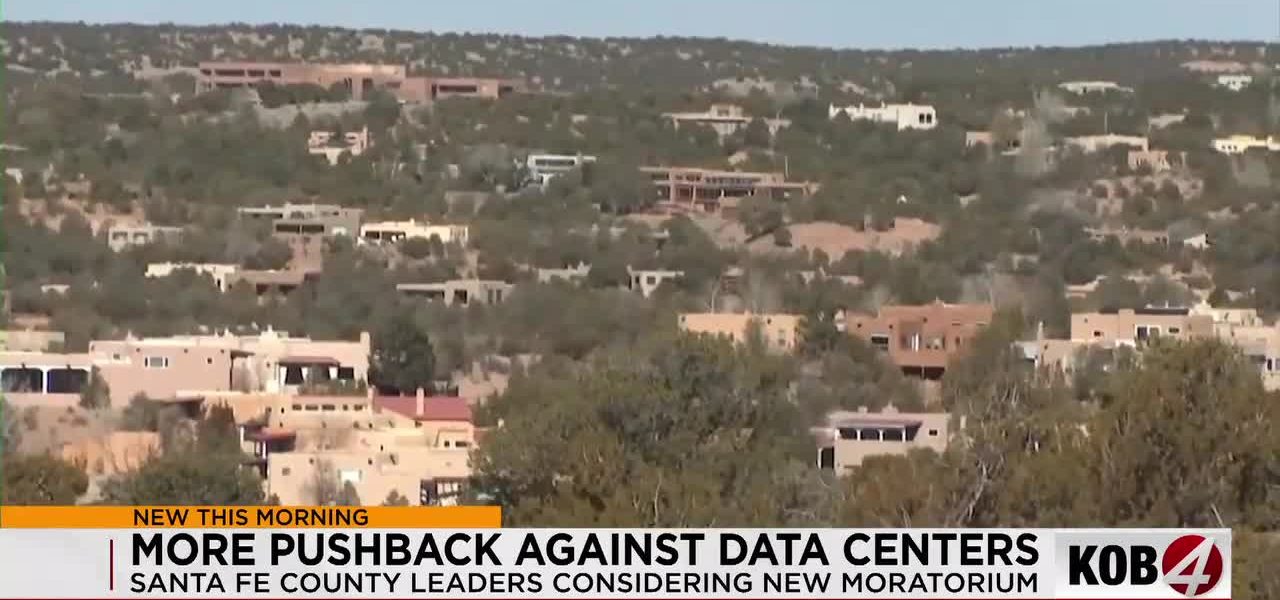
Santa Fe County leaders, a smart bunch, are weighing a full year-long moratorium on new data facility construction. Why? Because they’re thinking ahead. They know there are no active proposed data center projects in Santa Fe County right now, but experience elsewhere shows it doesn’t stay that way for long. They want to be prepared, especially after seeing the backlash against Project Jupiter in Doña Ana County. You don’t wait for the horse to bolt; you bolt the gate. This proactive stance isn’t a fluke; Socorro County commissioners are also scheduled to vote on their own temporary moratorium on data center developments early next month. The writing’s on the wall.
But this isn’t just about some bureaucrats fretting over paperwork. It’s deeply personal for residents. Take Socorro, for instance, where residents there are pushing back against Green Data’s proposed 10,000-acre data center and solar array project. At a New Mexico Tech town hall on the matter, one resident put it plainly, cutting right through any industry spin: [QUOTE_PLACEHOLDER] There’s little room for debate when folks see their rivers dry up. It puts the entire concept of ‘progress’ into a grim perspective. Experts, meanwhile, often overlook that even efficient cooling systems still use significant water. Estimates from industry watchdogs, such as energy policy journals, indicate that the average hyperscale data facility can gulp down between three to five million gallons of water daily for cooling purposes, a figure some environmental organizations say rivals the consumption of a small city’s essential services.
And it’s a trend that extends well beyond New Mexico’s dusty plains. Elsewhere, places like Bernalillo County have approved new guardrails for data center projects in February. Farther afield, El Paso city leaders recently released a draft plan of their new data center regulations. Then, just Wednesday, New Jersey Gov. Mike Sherrill introduced a 4-year, a four-pillar plan this week that would reduce the impact from data centers there. Even in the relatively water-rich northeast, the resource demands of these facilities are becoming too big to ignore. The days of silently siting them are, it appears, numbered.
This localized pushback in the American Southwest echoes struggles unfolding globally. Consider regions in South Asia, where the confluence of climate change, exploding populations, and inadequate infrastructure creates profound water security crises. In parts of Pakistan, for instance, rapid urbanization and industrialization — including nascent tech sectors — are placing immense pressure on already dwindling groundwater resources. Cities like Karachi face chronic water shortages; adding high-consumption industrial facilities, such as large data centers, without robust and sustainable resource planning, wouldn’t just be irresponsible, it’d be catastrophic. Local governance there, as here, finds itself navigating a precarious tightrope: balancing the promise of economic development with the stark reality of environmental limitations.
📄 POLICY WIRE WHITEPAPER PUBLISHED: PAKISTAN'S NATIONAL SECURITY POLICY PRIORITIES
👉 READ BY CLICKING HEREBut the questions persist: Is this simply NIMBYism with a modern twist, or is it a genuine reevaluation of what ‘sustainable growth’ actually means in the 21st century? Santa Fe County commissioners are expected to host a public hearing on their proposal next month, so we’ll probably get more clarity then. Regardless, this saga won’t just fizzle out. It’s too big for that. Because what we’re talking about here is fundamental: what gets prioritized when infinite digital demands collide with finite earthly resources? It’s a clash playing out in deserts — and suburban fields alike. It’s a policy conundrum.
What This Means
This escalating trend of data center moratoria isn’t merely a localized bureaucratic hiccup; it’s a profound inflection point for tech policy and regional development. Politically, it signals a significant empowerment of local authorities against the perceived top-down mandates of tech corporations. These municipalities are demonstrating that community impact and resource stewardship—especially concerning water management—can and will trump purely economic arguments for development. It’s a pragmatic assertion of sovereignty in an era of globalized digital demand. This will force federal and state governments to re-evaluate their roles in guiding industrial siting, possibly leading to more stringent national environmental impact assessments for such infrastructure.
Economically, this could mean a recalibration of investment flows. If New Mexico and similar resource-constrained regions become less attractive for hyperscale data centers due to regulatory hurdles, then the industry will pivot. Other states or countries with more permissive environments—or less stressed resources—might see an uptick in interest, but even those locations will eventually confront similar limitations. It might also incentivize innovation in sustainable cooling technologies or lead to a more distributed, smaller-footprint approach to data infrastructure, pushing developers to integrate these facilities more thoughtfully into existing urban or industrial landscapes rather than sprawling across untouched lands. For citizens, it signifies a victory for grassroots environmental advocacy and a tangible reminder that ‘digital transformation’ has a very real, very physical price tag attached. And frankly, the bill’s coming due. We’re all footing it.