


Catalan Crossroads: Anthony Gordon’s Barcelona Arrival Signals Deeper Financial Maneuvers
POLICY WIRE — Barcelona, Spain — The digital airwaves, usually reserved for geopolitical tensions and market gyrations, buzzed yesterday with an unlikely, yet thoroughly predictable, drumbeat: an...

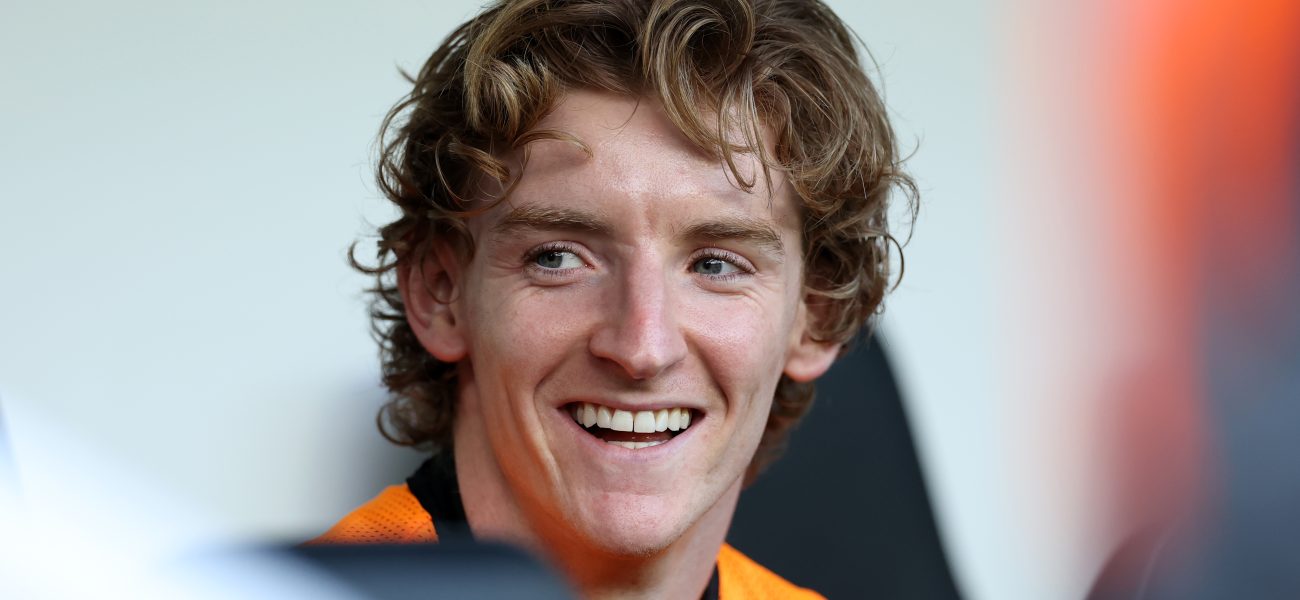
POLICY WIRE — Barcelona, Spain — The digital airwaves, usually reserved for geopolitical tensions and market gyrations, buzzed yesterday with an unlikely, yet thoroughly predictable, drumbeat: an English footballer’s landing in Catalonia. Anthony Gordon, the 25-year-old winger from Newcastle United, was reportedly en route to Barcelona—not to ponder Iberian politics, but for the rather less contemplative ritual of a medical examination. It’s a splashy bit of theatre, you see, a public declaration of intent by a club whose financial dramas have lately overshadowed its on-pitch exploits.
It was, if the whispers are to be believed, a lightning-fast affair. Big money transfers often operate with startling efficiency when the right levers are pulled. The whispers suggest that Fabrizio Romano has reported that Anthony Gordon will land in Barcelona later today, just after lunch, to finalize the last details of his move to the Blaugrana side. A rapid deployment for what many would describe as an essential piece of a grander, more complicated puzzle. And yet, this isn’t just about a ball and twenty-two men; it’s about balance sheets, global branding, and the relentless machinery of modern professional sport. [QUOTE_PLACEHOLDER]
Barcelona, a behemoth whose historical gravity still pulls fans worldwide, isn’t exactly riding high on fiscal confidence. Years of exuberant spending, the hangover from past administrative exuberance—you know the drill—have left the club, at various points, teetering on economic brinkmanship. But, the show must go on. The club remains a cultural touchstone, particularly across vast swaths of the Muslim world, where millions keenly follow European leagues, identifying with the underdog spirit or the sheer artistry on display. From the bustling cafes of Cairo to the quiet village squares in Punjab, the news of who joins Barça resonates. It’s a connection few other institutions can boast.
So, here we’re, facing another round of financial acrobatics. Because this transfer isn’t simply about an athletic upgrade for Hansi Flick’s setup. It’s an affirmation of market viability, a declaration to creditors and fans alike that, yes, despite everything, they can still lure premier talent. One couldn’t help but note the meticulous choreography of the entire process. The 25-year-old will waste no time upon arriving in the Catalan capital. The roadmap is perfectly laid out, and the medical tests will take place this very afternoon at the club’s facilities. No room for second-guessing, evidently.
The original report, candidly stating it was translated into English by Artificial Intelligence, highlighted the increasingly global, yet sometimes opaque, nature of this ecosystem. What kind of financial calculus sits beneath such rapid acquisitions? Does a club, whose well-documented gross debt reportedly soared to around €1.3 billion a couple of years ago, truly possess the leeway for such transactions, or is this just another elaborate funding mechanism in disguise? These aren’t just queries for the sports pages; they’re questions about the sustainability of economic models built on increasingly inflated valuations and passionate, but distant, fan bases.
📄 POLICY WIRE WHITEPAPER PUBLISHED: PAKISTAN'S NATIONAL SECURITY POLICY PRIORITIES
👉 READ BY CLICKING HEREIf everything goes according to plan and he passes the thorough medical, the attacker will sign the contract that will tie him to the Barcelona club for the next five seasons. Five seasons. A lifetime in football terms. A long-term bet, then, not just on Gordon’s calves and vision, but on Barça’s ability to generate the revenue necessary to meet those obligations, to say nothing of tackling the deeper structural issues that plague it. This signing represents a truly top-class addition to Hansi Flick’s setup. That’s the official line. And it’s always delivered with unwavering confidence, regardless of the whispers about spreadsheets in the background.
But consider this: The economic reality in places like Pakistan, a country often grappling with fiscal instability and foreign debt, paints a stark picture against these figures. While its GDP per capita struggles to reach $1,600, a single transfer fee—often undisclosed but certainly multi-millions—demonstrates the massive flow of capital into these Western sports enterprises. It’s a fascinating study in economic disparity, where a passion for a foreign game indirectly funds exorbitant salaries and transfer fees that dwarf national developmental budgets in other regions. It makes you wonder, doesn’t it, what could be achieved if even a fraction of that enthusiasm, or indeed that money, flowed differently.
What This Means
This particular deal for Anthony Gordon—swiftly executed, publicly declared—is more than just an attempt to strengthen a squad. It’s a statement of intent, a theatrical display of continued financial muscle, even if some of that muscle feels borrowed. Politically, for the club, it’s about placating a restless fan base and demonstrating competence at the executive level. The administration needs wins, both on — and off the field. An English star, plucked from Newcastle, carries a certain international cachet; it’s a marker of continued prestige. Economically, these sorts of moves are increasingly financed through sophisticated debt instruments, future revenue streams (from media rights, merchandising, tours), or shrewd player trading. The club is betting that Gordon’s market value will hold, or even increase, providing an asset to be leveraged down the line. It’s a calculated gamble, reflective of an increasingly interconnected global sports economy where the allure of European football continues to be an irresistible, if at times economically unsound, force. His arrival reflects Barça’s desire to remain competitive at the highest level both in LaLiga and in Europe. We’ll just have to wait and see if it pays off. These dramas, it seems, are never truly settled by what happens only on the grass.