


Albuquerque’s Budget Stalemate: Youth Arts on the Chopping Block, Again
POLICY WIRE — Albuquerque, N.M. — A familiar kind of civic paralysis has gripped New Mexico’s largest city, leaving its bureaucratic machinery to grind slowly while the future of its most...

POLICY WIRE — Albuquerque, N.M. — A familiar kind of civic paralysis has gripped New Mexico’s largest city, leaving its bureaucratic machinery to grind slowly while the future of its most vulnerable citizens hangs in the balance. We’re talking about budgets, of course, that annual dance of numbers and priorities, often less about genuine fiscal stewardship and more about who wields the sharpest elbow in the backroom. Tonight’s main event on the Albuquerque City Council calendar was billed as the vote – the big one – on the city’s spending plan, yet here we’re. It’s an act, frankly, that leaves a lot of good intentions — and much-needed community programs hanging by a thread. But that’s politics for ya.
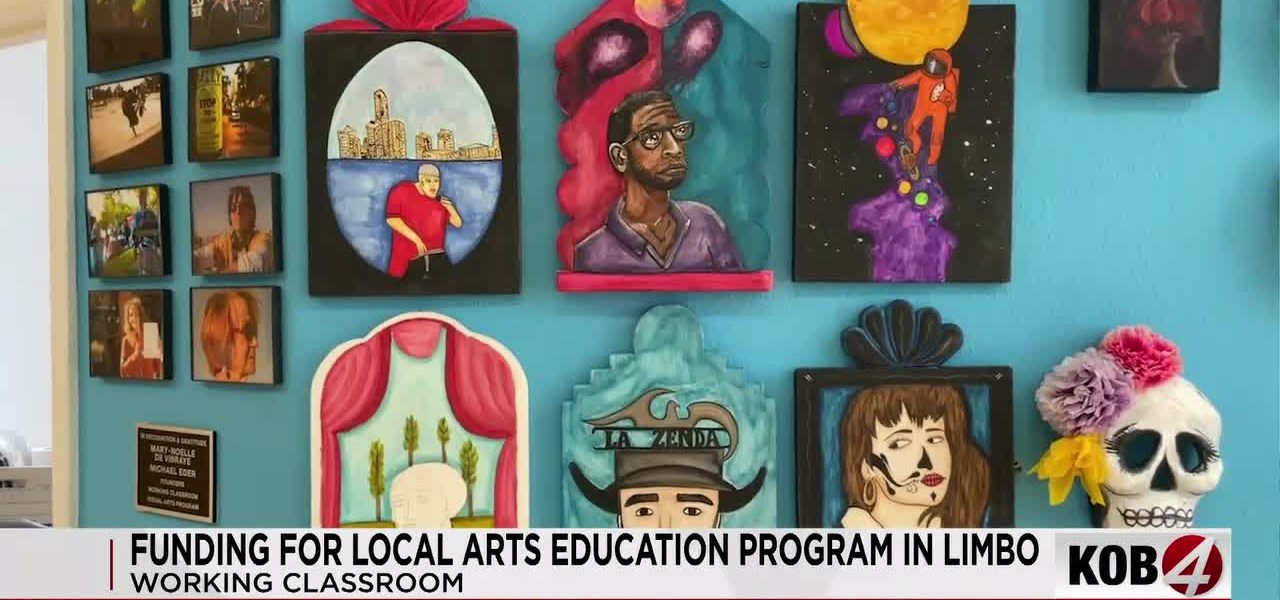
After a whole lot of discussion, and not a small amount of performative hand-wringing, the council managed a definitive… deferral. Yes, indeed. They punted the final decision on the municipal budget, meaning several initiatives are now swirling in a vortex of uncertainty. One particular casualty of this municipal malaise? Working Classroom, a local outfit dedicated to nurturing young minds — and giving them a creative outlet. You’d think investing in future generations would be a no-brainer, right? Turns out, it’s just another line item, ripe for delay.
“We cater to young people between the ages of 12 and 21 to help them realize their creative vision through different types of projects,” said Madalena Salazar, the executive director. She’s got her work cut out for her now, trying to keep spirits high while the city plays fiscal solitaire. This isn’t just about kids splashing paint on canvas, mind you. Working Classroom actually delves into the nitty-gritty of young people’s lives. And that’s where it gets interesting.
Beyond traditional art classes, the program functions as something of a societal pressure-relief valve for underserved communities. Salazar didn’t mince words: [QUOTE_PLACEHOLDER] Think mural workshops that double as community dialogues, computer literacy programs that open doors to jobs, and free supplies that remove financial barriers for those eager to create. It’s the kind of comprehensive support system that doesn’t just create artists; it molds resilient citizens.
For some time, these crucial initiatives were kept afloat by what are affectionately termed [QUOTE_PLACEHOLDER]—the kind of temporary cash injection that sounds great on paper but always comes with an expiry date, keeping everyone in a permanent state of anxiety. Last fiscal year, Working Classroom managed to secure a modest $35,000 from the city, and, quite reasonably, expected a similar showing this year. Because, well, the problems they address don’t magically vanish overnight. But alas.
When Mayor Tim Keller trotted out his initial budget proposal, Working Classroom found itself abruptly excised, completely cut from the list. What followed was a scramble. Advocacy, hushed conversations with councilors, the usual political wrangling. Miraculously, funding got restored in an amended version of the budget. But it’s not a done deal; it’s still not guaranteed, the civic powers that be having perfected the art of the bureaucratic cliffhanger. But they know they’ll make a decision eventually.
The council’s ultimate vote was to delay. To put off a decision, leaving everyone—from Salazar to the students—in a state of financial purgatory. And even if, by some divine intervention or sudden fit of clarity, the council eventually signs off, the document still heads to the mayor. He holds final authority to sign or veto it. “I don’t [feel confident],” Salazar admitted. But there’s a sliver of defiance there, a journalistic hope for decency. “I’m hopeful, though. I hope that he is cognizant of the arguments that a lot of folks around the city are making — that investment in those public services is what makes this a wonderful city to live in and grow in.” We’ll see about that.
Then you hear from the students, — and the stakes feel a lot heavier than political maneuvering. Genesis Mullins, one of the program’s beneficiaries, explains Working Classroom isn’t just an after-school thing; it’s a lifeline. “It’s the first time I could be creative without being told like a genre or a theme, and just go off on my own creativity,” she shared. And it’s not just about creative freedom. The program gives access to counseling — and even basic needs. Mullins observed that [QUOTE_PLACEHOLDER] This is the human cost of delayed decisions and budget wrangles.
📄 POLICY WIRE WHITEPAPER PUBLISHED: PAKISTAN'S NATIONAL SECURITY POLICY PRIORITIES
👉 READ BY CLICKING HEREAs summer programs loom—a particularly tense time for an organization serving youth—the uncertainty hits harder than usual. Mullins’ plea isn’t complex, it’s primal: [QUOTE_PLACEHOLDER] A new vote is slated for June 1, with the mayoral decision to follow. Because nothing says progress like repeated votes — and ongoing suspense.
What This Means
This Albuquerque budget delay isn’t just a local procedural glitch; it’s a microcosm of a much broader global political economy, illustrating a recurrent tension between immediate fiscal pragmatism and long-term societal investment. It underscores how often governments, even in ostensibly affluent nations, struggle to prioritize community-building initiatives against a backdrop of competing demands. And, in an almost darkly ironic twist, this situation also highlights the precarious position of civil society organizations that serve as a critical buffer for youth populations. For young people grappling with things like substance abuse or gun violence, these programs aren’t luxuries—they’re social infrastructure.
The deferral itself speaks volumes. It’s a hallmark of bureaucratic inertia, where consensus is elusive, and the easiest path forward is often no path at all. This kind of indecision has real-world implications, breeding instability within non-profits and, crucially, signaling to the most marginalized segments of society that their welfare is a negotiable item. But let’s be frank: the decision isn’t just about allocating funds; it’s about signaling values. What does a city truly value when youth programs are repeatedly on the chopping block while other, arguably less impactful, projects often sail through with fewer questions asked? And when budgets stall, the message, intentional or not, becomes that this essential support is dispensable.
Consider the broader implications. In regions like Pakistan or parts of South Asia, where youth bulge populations are often seen as either a demographic dividend or a ticking time bomb, the lack of investment in arts, counseling, and alternative education paths can have severe consequences. Young people, devoid of constructive outlets and holistic support, become more susceptible to social alienation, disillusionment, and, in some cases, the pull of extremist ideologies. When a country like Kenya sees its school system falter, or a nation like Pakistan struggles with adequate funding for its burgeoning youth, the lessons echo across continents.
economically, the consistent underfunding of arts education misses a trick. A 2017 study by the National Endowment for the Arts found that the arts and cultural sector contributed over $800 billion to the U.S. economy, employing millions. Locally, programs like Working Classroom are feeding into this talent pipeline. Cutting them isn’t just hurting kids; it’s short-sighted economics, potentially stunting the growth of future innovators and creatives who could contribute to the local economy. And, let’s be real, investing in youth resilience programs demonstrably reduces the burden on future social services like law enforcement and healthcare. For New Mexico, a state that battles socioeconomic challenges, this should be self-evident. Instead, we see hesitation.
The deferral also shines a rather harsh light on political accountability. While leaders grandstand about investing in the city’s future, their actions often contradict their rhetoric. For Working Classroom and countless other small, impactful organizations, this means operating in a perpetual state of uncertainty, diverting precious resources from program delivery to endless fundraising and advocacy. It’s a classic case of civic inefficiency: brilliant minds trying to deliver vital services, tangled up in governmental red tape. Ultimately, the question isn’t just whether the budget gets approved, but what message the city council — and Mayor Keller — is sending about its priorities when a youth arts program, providing services far beyond the aesthetic, struggles for certainty.