


Red Devils’ Midfield Mirage: Chasing Ghosts as £38m Gambit Looms
POLICY WIRE — Manchester, UK — Another summer, another frantic dash across the continent for the red half of Manchester, not for trophies, but for the phantom of midfield solidity. The venerable...

POLICY WIRE — Manchester, UK — Another summer, another frantic dash across the continent for the red half of Manchester, not for trophies, but for the phantom of midfield solidity. The venerable club, long accustomed to being top of the heap, now routinely finds itself sifting through the discards and disappointments of the global transfer market, an endless carousel of potential saviors who often turn into expensive afterthoughts. It’s a familiar, almost comedic spectacle — a grand institution reduced to playing a high-stakes game of musical chairs with players.
They’d already brought in Manuel Ugarte in 2024 for what they called an express purpose, only to find the Uruguayan, to put it mildly, a major disappointment. INEOS, the new powerbrokers, are quite keen to cut their losses there, one presumes. Elliot Anderson from Nottingham Forest had been singled out as the ideal stand-in for the departing Brazilian maestro, Casemiro, but Anderson seems to have eyes for the noisy neighbours at Manchester City instead. But let’s be real, City hasn’t actually coughed up Forest’s asking price yet, so the Red Devils (a rather optimistic moniker given their recent track record, don’t you think?) have simply pivoted to other targets. You’ve gotta hand it to ’em for tenacity, even if it feels a tad like shuffling deck chairs on the Titanic.
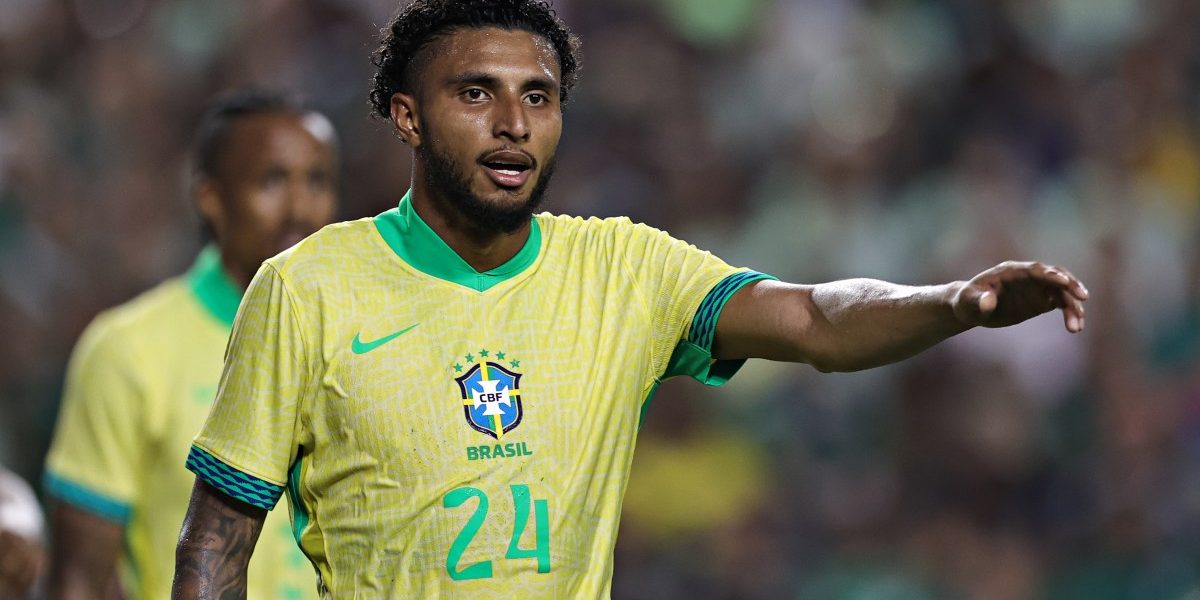
Now, as per recent reports, a deal for Ederson is apparently inching closer. Not the world-renowned goalkeeper, mind you, but Atalanta’s midfielder, also named Ederson. That bit of nominal confusion can’t help things, can it? It was initially believed this Serie A ace would be Ugarte’s replacement, a kind of like-for-like swap for a player who didn’t pan out. But The Times, never one to let a simpler narrative stand, tells a different tale, reporting: “Manchester United close in on £38m deal for Brazil midfielder Ederson. Ederson is Casemiro’s replacement” They went on to suggest this Atalanta player is “viewed as long-term replacement for outgoing Casemiro as Carrick begins planning for Champions League return next season.” That’s a lot of eggs in one basket, isn’t it?
Because, well, fans are naturally gonna be a bit worried if that’s actually the case. While this Brazilian international certainly seems like a solid buy, particularly for the stated price of £38 million (that figure comes from multiple reports cited by the original content), banking everything on him to anchor United’s midfield—the deep-lying pivot—feels like an almighty gamble. The 26-year-old reportedly boasts a solid engine — and is exceptional without the ball. You know, chasing down opponents, winning tackles – the bread — and butter stuff. But here’s the rub: there are limitations with the ball at his feet. And adjusting to the pace and brutal physicality of the Premier League after a stint in Serie A? That’s no walk in the park. Just ask Rasmus Hojlund; he’ll tell you it’s a whole different ballgame. Sometimes, what looks good on paper in a different league doesn’t translate seamlessly, creating a silent storm of expectation versus reality.
It’s not just Ederson on the wish list. Other backup targets have also surfaced: Mateus Fernandes of West Ham — and Sporting CP captain Morten Hjulmand. One wonders how many midfielders INEOS plans on actually buying in the end, or what role they’ll even be playing under Carrick. It feels less like a targeted strategy — and more like casting a wide net, hoping for the best. This isn’t just about one club’s recruitment; it’s a window into the financial and strategic quagmire of elite European football, where fortunes are spent chasing increasingly elusive perfection.
📄 POLICY WIRE WHITEPAPER PUBLISHED: PAKISTAN'S NATIONAL SECURITY POLICY PRIORITIES
👉 READ BY CLICKING HEREBut that financial chase has an intriguing global resonance. Across South Asia, for instance, particularly in Pakistan, the English Premier League commands an almost religious following. Manchester United isn’t just a club; it’s a lifestyle, a conversation starter in bustling Karachi markets or quiet Lahore homes. Billions tune in weekly. This transfer saga, this dance of millions for a Brazilian midfielder, directly fuels a vast economy of broadcasting rights, merchandise sales, and even informal betting pools extending far beyond European shores. A player’s arrival can swing fan sentiment, translating into tangible economic impact for brand partners looking to tap into the passion of a region like South Asia—a Muslim-majority region whose demographics represent a massive, commercially enticing audience. It isn’t merely about sporting glory; it’s about maintaining a global commercial footprint that justifies the astronomical player salaries and transfer fees.
What This Means
The pursuit of Ederson, regardless of his ultimate destination, lays bare the broader political economy of modern football. It’s a microcosm of high-stakes resource allocation, where decision-making is often less about long-term development and more about immediate gratification or crisis aversion—a pattern we see often in government policy, actually. The desperation to replace a key figure (Casemiro) echoes how political systems often scramble for ‘strong leaders’ without addressing underlying institutional frailties. The astronomical figures involved underscore the hyper-financialization of sports, a market detached from traditional economic indicators and fueled by global media rights and sponsor appetite. When you look at the economics, these deals aren’t just transfers; they’re investments in brand visibility, subscriber counts, and market share, reaching far beyond the UK. Think about the strategic implications when a struggling institution—be it a football club or a national government—repeatedly seeks external, expensive ‘fixes’ rather than fostering internal talent or restructuring. It signals a fundamental mistrust in one’s own processes and an over-reliance on external quick-fixes, leaving deeper structural problems unaddressed. And sometimes, you just keep buying expensive things, crossing your fingers they’ll magically solve everything, which rarely works, creating unrest in the process.