

Remote Lifeline Snapped: New Mexico Dam Closure Exposes Quiet Infrastructure Crisis
POLICY WIRE — EL VADO, New Mexico — It’s a three-month roadblock. A blink, really, in the lifespan of something as stoic and monumental as a dam, but for the folks out in these New Mexico high...

POLICY WIRE — EL VADO, New Mexico — It’s a three-month roadblock. A blink, really, in the lifespan of something as stoic and monumental as a dam, but for the folks out in these New Mexico high deserts, it’s a whole lot longer than that. You don’t often hear about the quiet heroes of a nation’s backbone—its pipes, its bridges, its dams. They just are. They work. Until they don’t quite anymore, or rather, until they demand attention with an inconvenient, comprehensive halt.
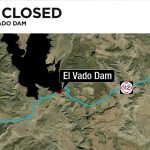
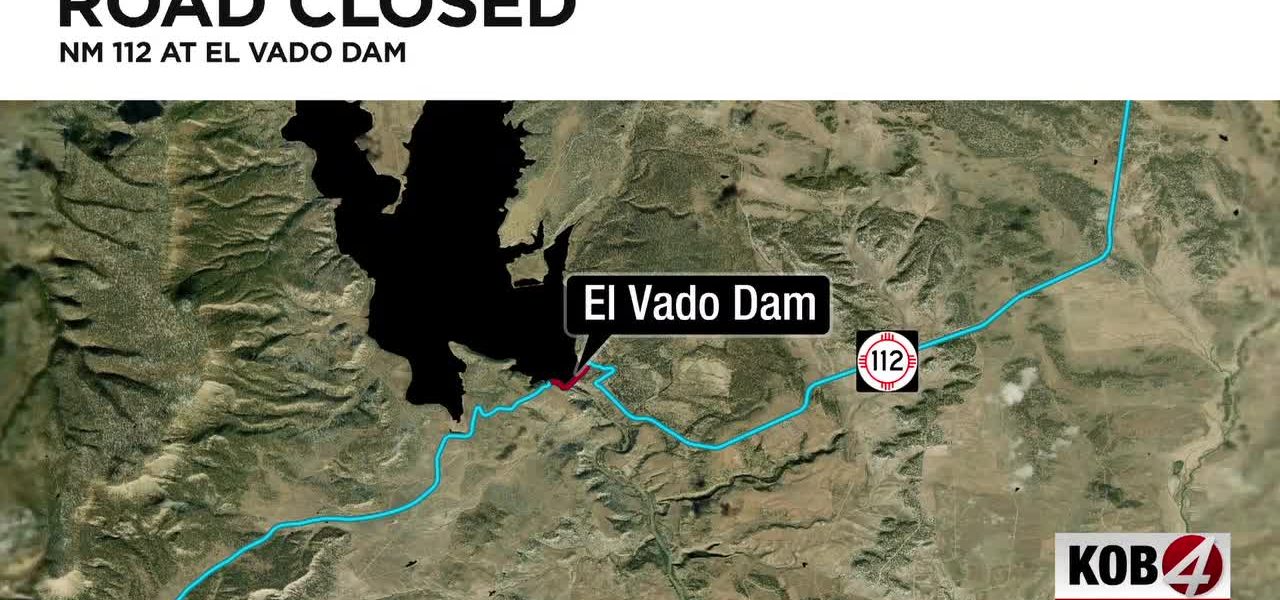
For more than three months, this summer’s driving season is going to hit a literal wall out here. New Mexico State Road 112 at El Vado Dam will close for more than three months, blocking all public traffic across the dam around the clock
, says the local bulletin. And look, that’s not just a minor detour. It’s an amputation of a primary artery for these isolated communities. Think about the ranch hands, the local shop owners, the folks visiting El Vado Lake—they’re all going to be grappling with significant disruptions. What we see on the surface, a closure, masks the far deeper narrative of infrastructure degradation, a story playing out from the sun-baked plains of America to the flood-prone valleys of South Asia. [QUOTE_PLACEHOLDER]
The original announcement mentions the span will be shut down from May 27 right up to September 4. No through traffic will be allowed
, they make it pretty clear. Even emergency vehicles—the ones that, you know, deal with emergencies—are getting shunted onto alternative routes. That’s a serious inconvenience, if not a risk, for locales that might not have a quick secondary path. Why such extreme measures? Because underneath that road, within that venerable concrete structure, something needs serious attention. And, it’s not just a lick of paint or tightening a few bolts, either. It’s a full-on, deep-dive examination — and rehabilitation effort, years after initial repairs.
Officials have confirmed that the closure will allow investigatory drilling and equipment staging on the roadway as part of long-term dam rehabilitation work and continued safety investigations into the dam’s foundation after repairs began in 2022
. See? It’s not just a sudden crack. This has been a long game. They’ve been at this since 2022, patching, prodding, peering into its innards, and now it’s time for the heavy artillery—drilling into the foundation, that bedrock of reliability everyone takes for granted. It’s a sobering reminder that infrastructure, much like an aging statesman, requires constant care and, eventually, a significant overhaul. Sometimes, a big, big overhaul.
Security? Yeah, they’ll have security out there. Because, apparently, even while they’re drilling for the greater good, you’ve got to worry about some folks who might want to pilfer, deface, or otherwise mess with the big, expensive gear. Security personnel will monitor the drilling site and authorities will investigate and prosecute any theft, vandalism or damage to equipment or materials
. That tells you a bit about the world we’re in, doesn’t it? The effort to simply keep the lights on—or in this case, the water flowing—comes with a full suite of human challenges.
It’s a situation that, in its bones, isn’t so different from what you’d observe in places like Pakistan, a country grappling with its own monumental—and aging—hydroelectric infrastructure. Consider the Tarbela Dam, for instance. It’s a gargantuan feat of engineering, built decades ago, now essential for irrigation and power for a nation of over 240 million. But maintaining such a massive structure, especially with the pressures of population growth and climate change, presents a continuous, backbreaking task. America’s dams aren’t necessarily facing the same specific stresses, but the underlying narrative of upkeep, cost, and ensuring long-term stability—it’s remarkably similar. And often unseen, until a crucial road gets blocked.
📄 POLICY WIRE WHITEPAPER PUBLISHED: PAKISTAN'S NATIONAL SECURITY POLICY PRIORITIES
👉 READ BY CLICKING HEREAnd let’s be real about the costs. It’s not just the monetary outlay for long-term dam rehabilitation work
. It’s the invisible toll on commerce, the added travel times, the frustration. America’s infrastructure, a lot of it anyway, is old. Like, really old. A report from the American Society of Civil Engineers (ASCE) in 2021 gave the U.S. overall infrastructure a C- grade, noting that many dams are well past their original design life, some even exceeding 50 to 100 years. We’re constantly patching, constantly investigating foundations. This El Vado Dam scenario is just one tiny tremor in a much larger earthquake of national decay we’re trying to stave off. It’s not about shiny new projects always; it’s about making sure the old ones don’t literally crumble.
So, warning signs are going up: Crews will post road closure signs at the junctions of NM-96 with NM-112, US-84 with NM-96, County Road 531 with US-84, NM-95 with US-84 and on NM-112 north of the dam to warn travelers about the closure
. Because heaven forbid people don’t get sufficient notice before their routes are radically altered. It’s an inconvenient truth, this dam business, but a necessary one. This isn’t just concrete and asphalt. It’s the quiet mechanism by which we keep society moving. And sometimes, to keep it moving, you just have to stop.
What This Means
The closure of NM-112 at El Vado Dam, while geographically small, carries substantial political and economic reverberations, laying bare the deep-seated challenges in national infrastructure management. Politically, these closures aren’t just local news; they become flashpoints, albeit usually minor ones, highlighting the trade-offs governments make between immediate convenience and long-term security. Local politicians will face pressure, because folks expect roads to work, dam or no dam. But, how do you explain the slow decay of critical infrastructure to an irritated rancher? The underlying reality is that America’s infrastructure is like a pension plan, constantly needing contributions, always getting deferred. For instance, funding mechanisms for these grand, decades-long projects are always fraught. Because, who wants to cut ribbons on boring, subsurface repairs when you can tout a brand-new bridge?
Economically, the impact here is direct. Local businesses dependent on through traffic or ease of access will feel the pinch, possibly leading to lost revenue and stifled local economies for months. The cost of delays for supply chains, even localized ones, adds up—every extra mile, every extra gallon of fuel, it eats away at margins. It also subtly reinforces the idea that America’s grand ambitions often run aground on the hard reality of crumbling foundations and insufficient preventative care. It’s not a ‘China’s Electric Avalanche’ kind of macro-economic shock, but a thousand tiny cuts. These routine closures, however necessary, collectively form an invisible drag on regional economies. They signal a wider truth: neglect now costs more later, an uncomfortable economic lesson played out, once again, in the high deserts of New Mexico.