

Silent Fissures: El Vado Dam Closure Isolates High Desert Communities, Raises Infrastructure Alarms
POLICY WIRE — El Vado, New Mexico — It’s just a sliver of asphalt over a century-old waterworks, really. But for the scattering of ranches and small businesses strung along New Mexico State...

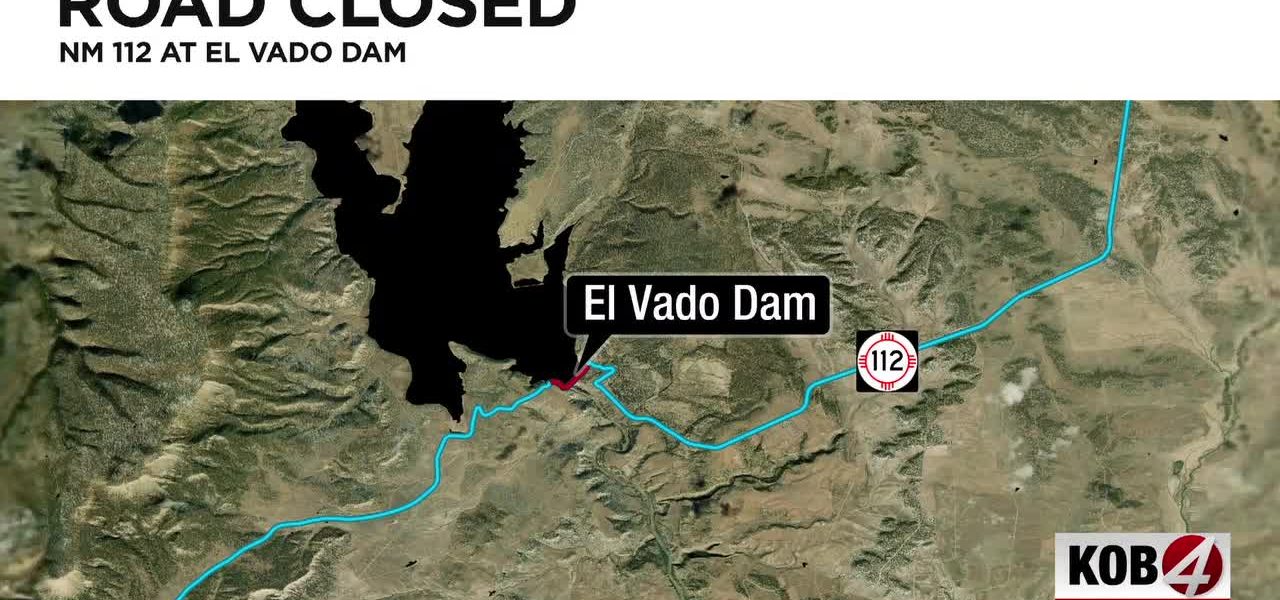
POLICY WIRE — El Vado, New Mexico — It’s just a sliver of asphalt over a century-old waterworks, really. But for the scattering of ranches and small businesses strung along New Mexico State Road 112, it’s not just a road; it’s the umbilical cord. For more than three months, that cord gets severed. Beginning May 27 and stretching deep into the high desert summer until September 4, the modest ribbon of road across the El Vado Dam goes dark—closed, no questions asked, no exceptions.
Picture it: an expanse of azure lake, a testament to early 20th-century ambition, now holding water behind a structure that—let’s be honest—has seen better days. That this single, unceremonious closure effectively seals off through-traffic isn’t just an inconvenience; it’s a sudden, jarring jolt for communities accustomed to navigating this isolated corner of the Land of Enchantment. Emergency vehicles? They’re on their own, finding new, longer ways around. Not exactly ideal when minutes matter.
And why this drastic measure, this mid-summer blockade? The prosaic reason: ‘investigatory drilling’ and ‘equipment staging.’ It’s all part of a larger, long-term rehabilitation effort that kicked off back in 2022. But behind the jargon lurks a graver truth: officials are still poking and prodding the dam’s very foundation, conducting continued ‘safety investigations.’ Because, well, things crack, erode, and sometimes, the earth underneath just isn’t quite as solid as engineers first hoped.
“We don’t make these decisions lightly, believe me,” explained Monica Garcia, a veteran engineer with the New Mexico Department of Transportation, her voice carrying the weariness of too many late nights. “The structural integrity of this dam—the safety of anyone living downstream—that’s non-negotiable. It’s an absolute, number-one priority, even if it causes short-term headaches.” Short-term, indeed. But try telling that to a cattle hauler trying to save fuel, or a local shop owner seeing his peak tourist season potentially evaporating.
Because that’s the kicker, isn’t it? These weren’t exactly bustling thoroughfares to begin with. Small hamlets, mostly. But those handful of diners, the general stores, the outfitters who guide fishing expeditions on the Rio Chama—they depend on every trickle of traffic they can get. Losing three months of it? It could sink more than a few local livelihoods. “It’s a tough pill to swallow,” conceded State Representative Roberto Martinez, whose district includes these isolated communities. “We understand the state has to keep people safe. But my constituents? They’re tough, they’re resilient, but they also pay their taxes, and they deserve an uninterrupted pathway, or at least ample warning. We’re talking about basic access, really, — and frankly, this sort of interruption really stings.”
It’s a micro-drama that plays out across the nation, an understated symptom of a much larger malady: America’s crumbling infrastructure. The American Society of Civil Engineers, no alarmist institution, consistently rates the country’s dams with a ‘D’ grade on its Infrastructure Report Card. It’s a sobering statistic that should have policy makers doing more than just sipping their morning coffee. The El Vado Dam situation, it seems, isn’t an anomaly, but rather a granular peek into the systemic challenge of maintaining the bones of a modern nation.
📄 POLICY WIRE WHITEPAPER PUBLISHED: PAKISTAN'S NATIONAL SECURITY POLICY PRIORITIES
👉 READ BY CLICKING HEREAnd if you zoom out a bit, it’s not just a Western problem. Nations across the globe, from the developed world to the bustling, emergent economies of South Asia, grapple with similar issues. Consider Pakistan, for instance, a country with extensive—and often aging—dam networks critical for irrigation and power generation. The social and economic fabric of its agricultural heartland, much like the livelihoods tied to El Vado, depend on these gargantuan concrete and earthworks holding steady. A major infrastructure failure there, due to lack of maintenance or unforeseen geotechnical issues, doesn’t just block a road; it can trigger displacement, food scarcity, and even exacerbate political tensions—a reminder that a crack in a dam, whether in New Mexico or across the Indus, carries disproportionate weight. This isn’t merely about concrete — and rebar; it’s about confidence, governance, and the very continuity of daily life.
What This Means
The protracted closure of El Vado Dam isn’t just about diverting motorists; it’s a policy litmus test for how the state handles essential, but inconvenient, infrastructure overhauls. Politically, Governor Michelle Lujan Grisham’s administration will certainly face scrutiny from local lawmakers and constituents over communication, compensation for lost revenue, and expedited alternatives. The economic hit to surrounding communities, even if small in state budget terms, will be acutely felt by individual families and businesses that don’t have much in the way of reserve. We’re talking about real people unable to access resources easily, affecting everything from school commutes to supply chains for small businesses. Because, make no mistake, even in our digital age, the physical conduits of commerce and daily life retain a primal significance. This localized shutdown is a blunt reminder of just how fragile those links can be, a kind of bureaucratic blindspot that, as Policy Wire has previously examined in other contexts, can expose wider governance failings, sometimes with absurd consequences (see: Grammar, Gravity, and Governance).
This isn’t about grand national narratives of boom — and bust. It’s a localized, grimy battle against the inevitability of decay. Security personnel are now monitoring the drilling sites, ready to ‘investigate and prosecute any theft, vandalism, or damage to equipment’—a small detail, perhaps, but it points to an underlying nervousness. The closure highlights a fundamental truth: maintaining what we already have, the infrastructure we inherited, is often less glamorous, but far more critical, than building something new. And it’s certainly harder to get votes for fixing something that’s already there, even when it’s crumbling. But that doesn’t make it any less urgent. This closure isn’t just a detour; it’s a flashing red light for the entire region.