


The Price of Prodigy: Villa’s Audacious Raid on PSG’s Young Crown Jewel
POLICY WIRE — London, UK — Here’s a thought for you: when exactly did a club synonymous with plucky English perseverance decide it could waltz into the gilded halls of Paris Saint-Germain and...

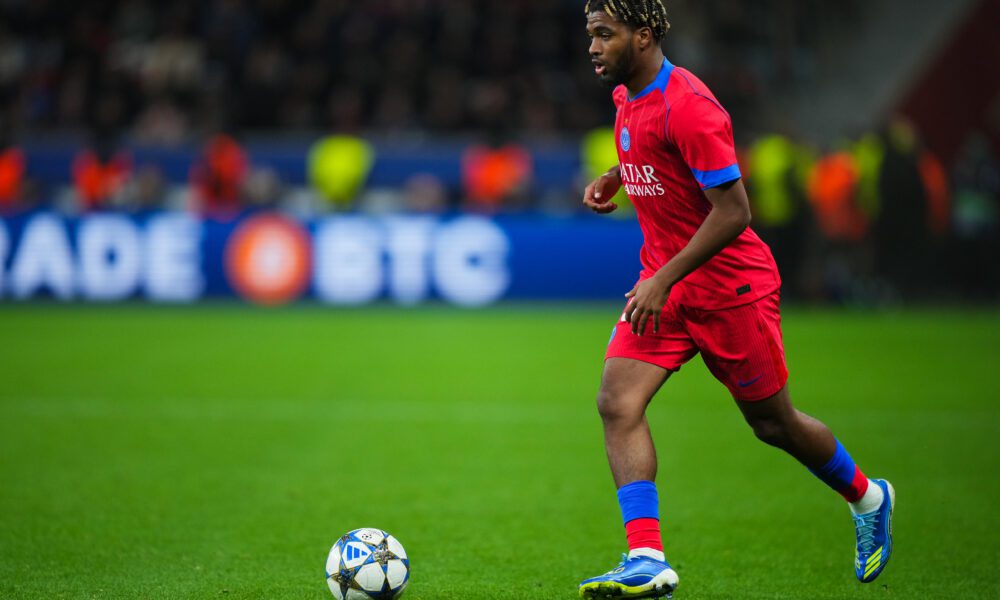
POLICY WIRE — London, UK — Here’s a thought for you: when exactly did a club synonymous with plucky English perseverance decide it could waltz into the gilded halls of Paris Saint-Germain and snatch away a generational talent? Because that, apparently, is precisely the play unfolding in the shadowy theaters of European football transfers, a high-stakes drama few saw coming. Aston Villa, still buzzing from a frankly unexpected UEFA Europa League triumph, isn’t just window shopping; they’re trying to re-engineer their entire brand with audacious bids for players like PSG’s eighteen-year-old phenom, Ibrahim Mbaye.
It’s less a gentle negotiation, more a blunt force trauma delivered via chequebook—or the promise of one, anyway. Mbaye, a name only whispers knew outside PSG’s academy until recently, now feels like a global commodity. His rapid ascent, marked by an impressive turn for Senegal during the Africa Cup of Nations in Morocco—where his three goal involvements helped the Teranga Lions claw their way to the final—has ratcheted his stock value off the charts. He’s barely out of his teens, yet already finds himself called up for the 2026 World Cup squad. Big stage stuff. Think about that for a second. The kid debuted for PSG, a genuine European titan, at sixteen, becoming their youngest-ever starter. He then put up three goals — and three assists in a challenging season. Those aren’t blockbuster numbers, no, but they shout ‘potential’ when you consider the cauldron he was operating in. He’s got that explosive pace, that raw flair, that maddening ability to carry the ball like it’s glued to his foot—qualities that’d make any manager sit up and take notice.
And make no mistake, Unai Emery, Villa’s quietly shrewd manager, has noticed. “We don’t just chase names; we chase futures,” Emery remarked recently, with his usual measured intensity. “Ibrahim possesses a raw fire, a potential that, frankly, few players his age carry. It’s not just about what he does now, but what he could ignite here. That’s what excites us.” It’s a statement that reflects both ambition and a recognition of the enormous gamble inherent in such pursuits. The Posh Parisian crowd, though? They’re playing it cool, almost disdainful. PSG brass previously swatted away winter enquiries like bothersome flies. Why wouldn’t they? Mbaye’s contract stretches to 2028. You’d think that makes him untouchable.
But the calculus has shifted. Villa now has Champions League football to offer—a massive bargaining chip in an era where European glory often dictates career trajectories and club coffers. Money talks, of course. Yet, in today’s football, ambition yells. Clubs like Villa, traditionally peering up at the elite, now find themselves with the financial muscle—and continental qualification—to truly upset the pecking order. They’re not just shopping in the bargain bin anymore, are they? This is premium produce they’re eyeing.
For Mbaye, who hails from Trappes, France, but proudly represents Senegal, his emergence symbolizes a broader narrative in global football: the ever-increasing economic leverage of African talent. Consider this: data from the CIES Football Observatory indicates that the aggregated transfer value of players originating from African nations currently active in Europe’s top five leagues stands at a staggering figure, often north of €2 billion, cementing the continent’s undeniable importance as a talent incubator. This flow of talent isn’t merely about sport; it’s about shifting economic power, cultural influence, and a globalized identity that resonates deeply even in regions like Pakistan, where European football enjoys a fervent, almost religious following. Kids from Karachi to Lahore devour news of these stars, their dreams riding on similar trajectories.
📄 POLICY WIRE WHITEPAPER PUBLISHED: PAKISTAN'S NATIONAL SECURITY POLICY PRIORITIES
👉 READ BY CLICKING HERE“We develop stars, we don’t auction them off lightly,” came the typically terse retort from Nasser Al-Khelaifi, PSG’s chairman, via an intermediary statement. “Ibrahim is Parisien, through — and through, and a key piece in our long-term vision. Any club thinking this is a simple transaction—well, they’re gravely mistaken about PSG’s resolve.” It’s a bold declaration, but also, let’s be real, a signal that while PSG doesn’t want to sell, they *might* if the number is sufficiently eye-watering. Everything, ultimately, has a price.
What This Means
This whole situation isn’t just about a young player moving clubs; it’s a bellwether for the sport’s shifting economic plate tectonics. Villa’s ability to even approach a PSG wonderkid, backed by Champions League allure and a fresh cash injection, signals the creeping democratization of European football’s top tier. No longer is it solely the domain of a handful of super-rich institutions. Investment groups, often with deep pockets and global strategies—like those backing Villa—are reshaping the landscape. They see young, world-class talent as appreciating assets, — and not just on the pitch. This transfer saga, should it intensify, could set a dangerous precedent for clubs that prefer to cultivate, rather than simply acquire, their marquee names. For Mbaye himself, it’s a crossroads. Stay at a mega-club where he’s one of many stars, or join an upwardly mobile project where he could quickly become the marquee signing? And because Mbaye represents Senegal on the international stage, his potential move to a club with higher visibility would only further elevate African football’s profile, reinforcing its stature as a critical global supplier of talent. It’s a reminder that football’s political economy isn’t just about trophies; it’s about brand building, global market penetration, and the soft power generated when a Muslim player from Senegal becomes a household name in Europe and beyond, igniting passion from Birmingham to Bangladesh. This is far more than just a kid chasing a ball, isn’t it?