


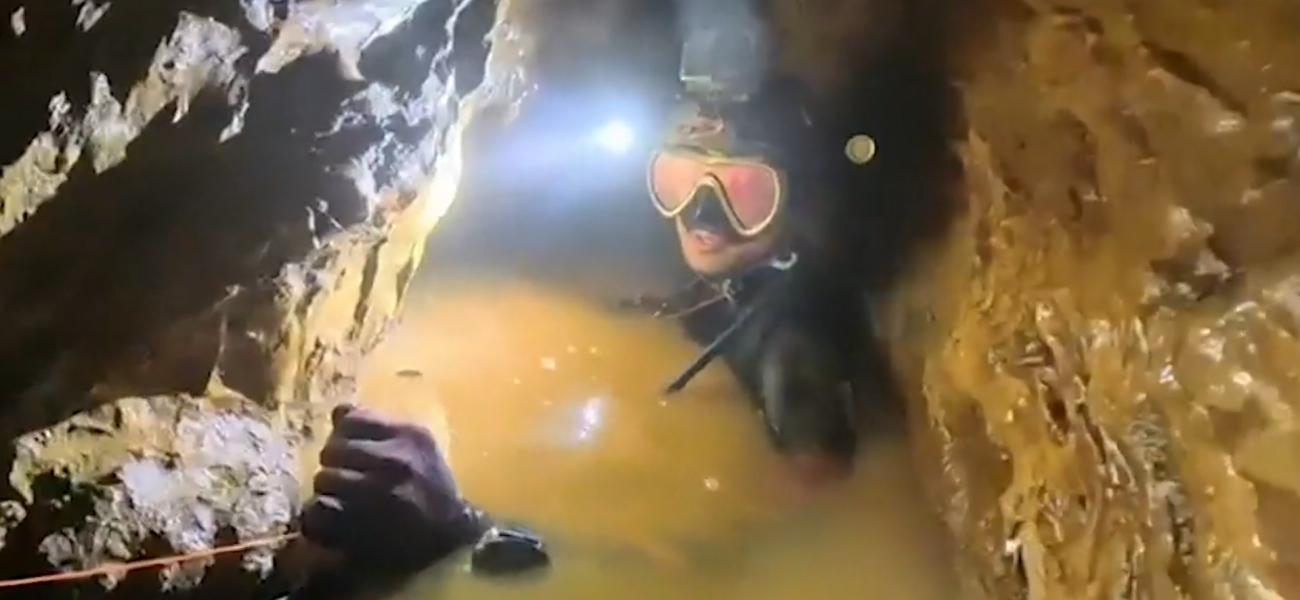
Laos’s Sunken Depths: The High Cost of the Global Resource Rush
POLICY WIRE — Vientiane, Laos — Beneath the placid surface of Laos’s development narrative, deep in the earth’s unforgiving maw, another grim chapter is unfolding. Forget the...

POLICY WIRE — Vientiane, Laos — Beneath the placid surface of Laos’s development narrative, deep in the earth’s unforgiving maw, another grim chapter is unfolding. Forget the hopeful soundbites; for dozens of trapped miners, life now hangs by a thread—a stark, brutal reminder that the global craving for copper and other minerals often exacts a price counted in hushed desperation and broken families.
It’s not just a Laotian problem, you see. This struggle, playing out in the dark, mirrors a wider, ugly truth across the developing world. The incident, deep within a provincial mine, isn’t simply an unfortunate accident. No. It’s a symptom, a visible crack in the industrial facade of nations where natural resources beckon, but regulatory oversight often lags miles behind the drive for profit. Teams, international — and local, claw at the earth. They’re battling time, collapsing geology, — and the suffocating despair that inevitably settles in. Hope? They’ve got to keep hope alive; it’s practically the only resource not dwindling down there.
Rescue teams, their faces grimed with effort — and anxiety, are trying everything. Water has poured in, rendering sections of the mine a deadly, sludgy tomb. “We’re drilling, pumping, searching for any sign,” explained Commander Vorapha Saysongkham, heading the Laotian military’s special operations contingent at the site. “It’s a grueling process, minute by minute. But we don’t quit; not when lives are on the line.”
But the raw optimism often quoted publicly belies a grim reality. Industrial accidents, particularly in the mining sector, aren’t novel in Laos. This is a nation rich in copper, gold, and potash, where foreign investment—especially from China—has fueled a rapid expansion of mining operations. Economic development is the banner. Safety standards? They’re sometimes more theoretical than actual, thin regulations spread even thinner across vast, remote sites. It’s a trade-off many nations make: growth now, safety later. But later never quite arrives for those entombed. According to a 2021 report by the UN’s International Labour Organization, mining remains one of the world’s most dangerous occupations, claiming an estimated 15,000 to 20,000 lives annually worldwide, with a disproportionate number in developing economies. Because demand doesn’t slow. Not for our smartphones. Not for our electric cars.
The story here, like countless others from Balochistan’s coal seams to the mercury-laden rivers of Peru, is of forgotten human dignity against a backdrop of global commodity prices. Developing economies, be they in Southeast Asia, Africa, or parts of the Muslim world, often find themselves trapped in a desperate dance: extract resources for much-needed revenue, or forego development? The answers aren’t easy. But the human cost is frequently glossed over, or buried along with the unfortunate souls working deep underground.
Professor Tariq Baloch, an independent geopolitical risk analyst specializing in Asian markets, didn’t pull any punches. “These tragedies, they’re not random acts of God; they’re systemic failures of governance and corporate accountability,” he stated bluntly during a virtual briefing. “Until nations like Laos—and others in resource-rich but regulatorily weak regions—face genuine pressure, from within and without, for stricter enforcement, we’ll continue to see these same headlines, just different names, different locations. The human value is simply discounted against quarterly earnings.” And that’s the kicker, isn’t it?
What This Means
This latest incident in Laos isn’t merely a localized emergency; it’s a harsh spotlight on the precarious balance many developing nations maintain between economic growth and worker protection. Politically, the government faces immense pressure: appear proactive and compassionate for its citizens, while not alienating foreign investors who fuel its national coffers. Economically, repeated safety failures could eventually deter some ethically conscious investors, though the lure of cheap resources often trumps social responsibility in global capital markets. It’s a tightrope walk. And let’s not pretend it’s unique to Laos. You see similar struggles in places like Pakistan, where societal pressures and economic realities create similar fraught environments for labor and safety. For the families involved, of course, what it means is far simpler, far more agonizing: they wait, clinging to what sliver of hope is left, knowing full well the odds are stacked against them.
For the rest of the world, for those of us who consume these extracted minerals, it’s a moral question that gets conveniently ignored when we scroll through social media or admire our new gadgets. How many unseen tragedies underpin our modern conveniences? Many, it seems. Too many.